
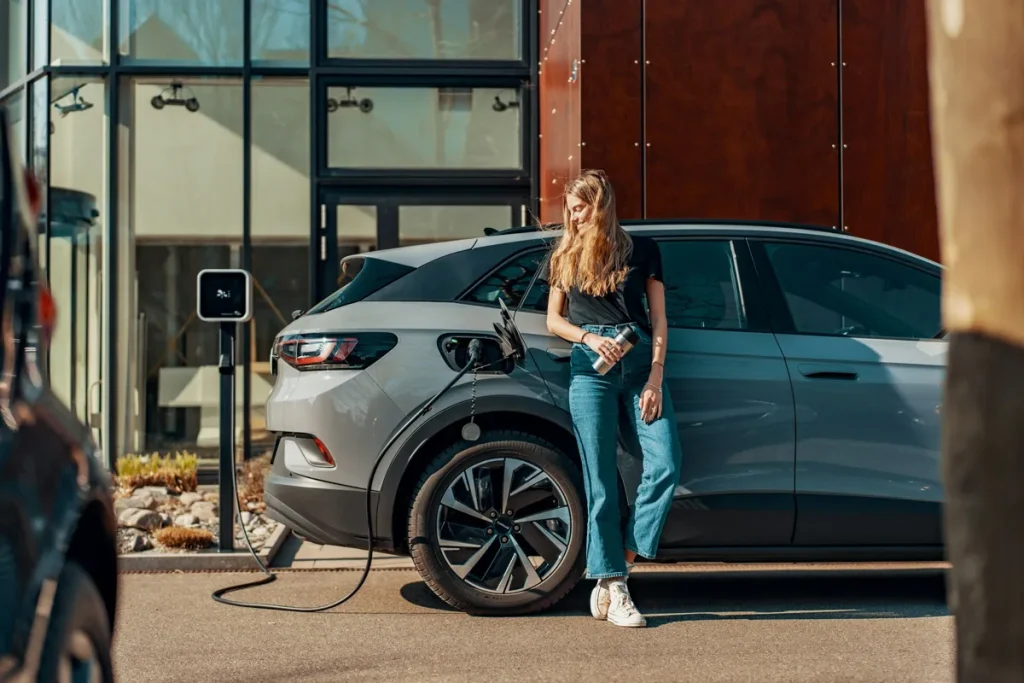
The Electric Revolution Is Hitting Your Block
With over 20 million electric vehicles expected on U.S. roads by 2026, charging infrastructure is the next big bottleneck—and the next big opportunity. Rapid growth in EV sales has triggered an urgent need for reliable, fast, and widespread charging solutions beyond highways and busy urban centers.
This is the golden moment for EV charging startups—and everyday entrepreneurs are stepping in to fill the gap.
Why the Charging Market Is Heating Up Fast
- EV Adoption Boom
More Americans switching to electric means charging at home isn’t enough—public access is critical. - Government Backing
The Bipartisan Infrastructure Law allocates $7.5 billion for public charging network expansion. - Retail & Real Estate Demand
Malls, offices, apartment complexes, and supermarkets are competing to offer charging as a convenience upgrade. - Technology Leap
Faster, user-friendly hardware (150 kW+ fast chargers) and optimized payment apps are making deployment easier. - Investor Appetite
Clean-tech VCs are pouring early-stage capital into EV charging hubs and software platforms.
3 Fast-Emerging EV Charging Startup Models
1. Neighborhood Charging Hubs
Local entrepreneurs are transforming underused lots—church parking, community centers—into pay-per-use charging stations for residents without home chargers.
- Monetization: 5¢–10¢/kWh usage + parking fee
- Perks: Repeat local traffic, low competition zones
2. Retail & Hospitality Partnerships
Location-based startups partner with hotels, grocery stores, and cafés to install branded chargers, offering free or subsidized charging to draw customers in.
- Monetization: Revenue share + visibility branding
- Added Benefit: Increased foot traffic for hosts
3. Fleet & Multi-Unit Dwellings
Targeting delivery fleets or apartment complexes, these startups offer turn-key charging systems—from installation to maintenance and billing management.
- Monetization: Installation fee + monthly subscription
- Scalable: Expandable with every new apartment or depot secured
Why Investors & Entrants Are Betting Big
- Recurring revenue from charging subscriptions and fees
- Real estate appreciation at charging-enabled locations
- First-mover advantage in many suburban and rural areas
- Backed by policy grants and tax incentives
How to Launch an EV Charging Startup Today
- Scout a location with demand: apartments, malls, or underserved neighborhoods
- Partner with hardware providers like ChargePoint or Tesla-approved installers
- Draft revenue models: fee structure, subscription options, or add-ons (like EV washing)
- Apply for incentives: federal, state, and utility-level grants
- Integrate management software for billing, uptime alerts, and usage analytics
- Pilot the first site, gather usage data, testimonials, and scale to adjacent areas
What to Watch Out For
| Risk Factor | Mitigation |
|---|---|
| High upfront costs | Leverage grants and phased rollout |
| Grid/installation delays | Pre-clear utility lines and permits |
| Slow adoption | Target areas with rising EV registrations |
| Maintenance issues | Contract with reliable service providers |
The Big Picture: Charging Infrastructure as a Service (CIaaS)
The future isn’t just hardware—it’s software-driven charging ecosystems. Startups are developing CIaaS platforms: subscription services that bundle charging, analytics, dynamic pricing, fleet management, and even EV-integrated apps.
Imagine a world where you park your EV, it charges automatically, bills your account, and optimizes based on your preferences—all while you shop or dine.
From Main Street to Mountain Trails: The Real EV Expansion Story
When people picture the electric vehicle revolution, they imagine sleek cars and big cities. But in 2025, the real momentum is happening where the roads are quieter, the neighbors wave, and the next charger might be miles away.
Across the U.S., a handful of bold businesses and local utilities have quietly built what many doubted possible—profitable, community-focused EV charging hubs in America’s small towns and outer suburbs.
Here are the stories behind the rise of rural and suburban EV infrastructure pioneers—and what their success means for the next wave of clean-tech startups.
1. Francis Energy – Building the Midwest’s Rural Charging Backbone
In the heartland, Francis Energy has quietly become one of the largest EV charging networks no one talks about. Headquartered in Tulsa, Oklahoma, they’ve deployed over 150 fast-charging stations across highways and small towns—many in places where EVs were once considered impractical.
What makes them unique:
- Focused on non-urban zones like county seats, small-town libraries, and tribal lands
- Used Volkswagen diesel settlement funds and state partnerships to co-fund builds
- Created a mesh network, ensuring no driver is ever more than 50 miles from a charger
Key lesson: You don’t need a dense city to make EV charging work—you need a committed network and smart location strategy.
2. Belmont Light – Public Power Meets Public Good in Massachusetts
In Belmont, MA, a small municipal utility is doing big things. Belmont Light, which services just over 10,000 customers, launched a public-private charging initiative to bring EV access to residents and employees.
What stood out:
- Installed Level 2 and Level 3 chargers across public buildings and workplaces
- Added a charging program for teachers, hospital staff, and city workers
- Earned recognition through Plug In America’s EVAL (EV Adoption Leader) program
Key lesson: Public utilities can play a game-changing role in community EV access—with better trust, faster adoption, and policy-friendly incentives.
3. VoltNest Apartments – Charging as an Amenity in Tennessee
In Lebanon, TN, a savvy property manager saw EV charging not as a challenge—but a marketing advantage. By installing six charging stations in a mid-sized apartment complex, VoltNest flipped a niche demand into a leasing magnet.
How they succeeded:
- Introduced $30/month unlimited charging bundled with lease perks
- Used a basic smart charger system linked to tenant accounts
- Saw a 7% increase in average rent value over two years and signed new contracts with other property developers
Key lesson: Suburban renters without home garages represent a fast-growing, underserved market—and property managers can win early with value-added EV services.
4. Polaris Off-Road Network – Trail Charging in Michigan’s Wilderness
Polaris, best known for ATVs and outdoor vehicles, saw an unexpected opportunity: electric trail vehicles need charging too. In Michigan’s Upper Peninsula, they launched a trail charging network with Yotta Energy and a $700K state grant.
Why it matters:
- Chargers installed at off-grid trailheads, nature stops, and rural towns
- Targeted at EV snowmobiles, e-bikes, and all-terrain vehicles
- Reinforced Polaris’ brand as future-focused while fueling eco-tourism in remote areas
Key lesson: EV expansion isn’t just for sedans and cities. Look beyond the highway and you’ll find untapped demand in unexpected terrain.
5. WattsUp Café – Turning Coffee and Kilowatts into Profit
In Dover, Delaware, the owners of a local café did something radical: they turned their small parking lot into a two-station charging hub. Customers who spent $15 or more got 30 minutes of free charging while enjoying snacks, wine, or remote work amenities.
Results:
- Attracted repeat traffic from Tesla and Rivian owners passing through
- Created a charging + loyalty rewards program
- Grew café revenue by 28% from EV-linked visits alone
Key lesson: Pairing charging with experience is a high-margin business model—perfect for cafés, hotels, and small retail centers in walkable towns.
Takeaway: EV Charging Is No Longer Just for Tech Giants
From mechanics and landlords to café owners and retired engineers, small-town entrepreneurs are quietly building the infrastructure of the future—one charging stall at a time.
These EV charging stories prove that:
- EV infrastructure incentives make these startups low-risk, high-reward
- Location strategy matters more than population density
- Creative bundling (charging + subscriptions or purchases) increases ROI
If you’re looking for a high-growth, high-impact business opportunity in 2025, consider the EV charging corridor—or your very own neighborhood.
With the right location, partners, and strategy, an EV charging startup can deliver clean energy benefits, recurring revenue, and the kind of impact that makes your community—and investors—smile.