
Integrated Pest Management (IPM) is gaining ground in the Philippine agricultural sector as a sustainable, science-based strategy that minimizes crop losses while protecting the environment. Unlike traditional methods that heavily rely on chemical pesticides, IPM takes a holistic approach—combining biological, cultural, physical, and chemical tools to keep pest populations under control. This comprehensive guide explores the modern application of IPM in the country, from farm to harvest.
What is Integrated Pest Management?
Integrated Pest Management is an eco-friendly approach to pest control that prioritizes prevention, observation, and limited pesticide use only when necessary. It promotes the health of crops, farmers, and the surrounding ecosystem. IPM is suitable for all types of crops—from rice and corn to high-value fruits and vegetables—and has become a critical part of modern, sustainable farming practices in the Philippines.
Why Integrated Pest Management (IPM) Matters for Philippine Agriculture
With the growing concerns over pesticide residues, environmental degradation, and pest resistance, Filipino farmers are encouraged to adopt smarter pest control practices. IPM supports:
- Reduced reliance on synthetic pesticides
- Lower production costs
- Protection of beneficial insects and soil health
- Higher crop quality and safer produce for consumers
Key Components of Integrated Pest Management
1. Biological Control: Nature’s Pest Fighters
Biological control is a key pillar of Integrated Pest Management (IPM), involving the use of natural enemies—such as predators, parasitoids, and pathogens—to suppress pest populations in an environmentally friendly and cost-effective manner. In the Philippine agricultural landscape, several biological control agents have been identified and proven effective across major crops.
Examples of Biological Control Agents in the Philippines
Baculoviruses (Insect-specific Viruses)
Used to control caterpillars like armyworms and cutworms, these viruses infect only the target pest and are safe for other insects, animals, and humans.natural pest control in agriculture, biological pest management, eco-friendly pest solutions
Trichogramma spp. (Egg Parasitoids)
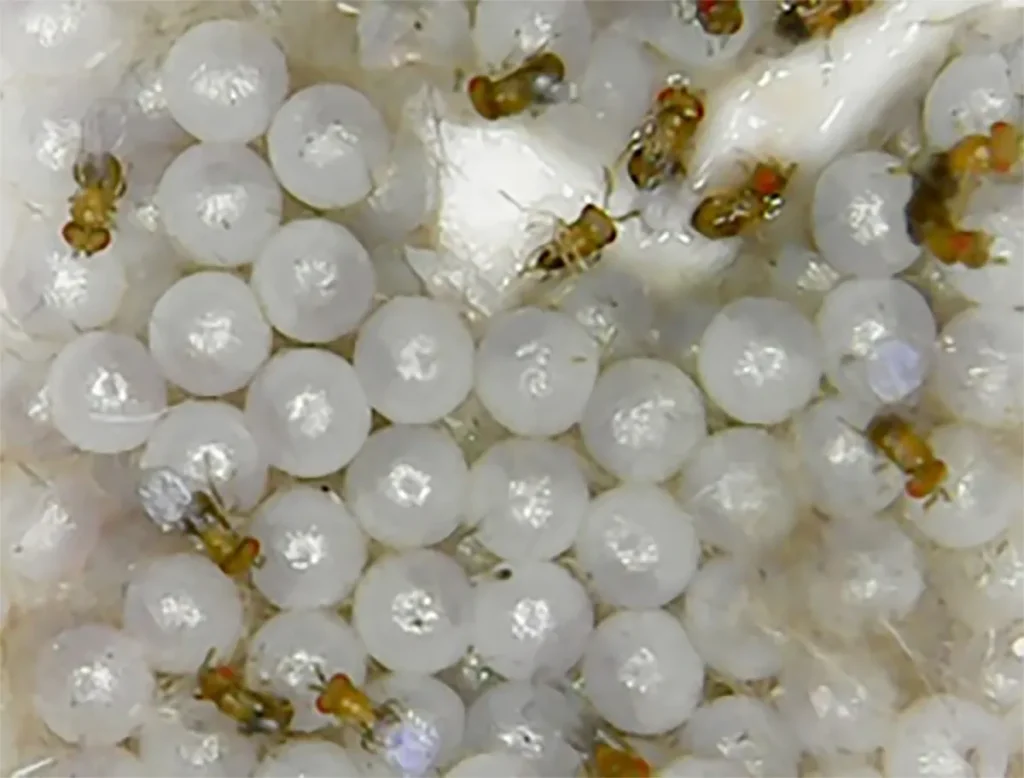
These minute wasps parasitize the eggs of destructive lepidopteran pests like the corn borer and rice stem borer. When released in the field, they help break the pest’s life cycle before it starts.
Metarhizium anisopliae (Entomopathogenic Fungus)
This fungus infects and kills pests like rice black bugs, beetles, and termites. It attaches to the insect’s outer shell and eventually spreads through its body, leading to death within days.
Beauveria bassiana (Biological Fungus)
This naturally occurring fungus is effective against aphids, whiteflies, thrips, and weevils. It is typically applied as a spray and works by penetrating the insect’s body and growing inside it.
Habrobracon hebetor (Larval Parasitoid)
This parasitic wasp attacks larvae of moth species such as the oriental fruit moth, significantly reducing infestation in stored grains and fruit crops.
Cotesia flavipes (Parasitic Wasp)
Widely used in sugarcane fields, this wasp targets and parasitizes the larvae of stalk borers, effectively lowering damage and loss.
Aphidius colemani
Specializes in parasitizing aphids, especially in vegetables and ornamentals. These wasps lay eggs inside aphids, and the developing larvae feed on them from within.
Telenomus spp.
Another group of egg parasitoids used in rice and corn farming. These wasps find and lay eggs in pest eggs, destroying them before they hatch.
Green lacewings (Chrysoperla spp.)
Their larvae, often called “aphid lions,” are voracious predators of soft-bodied pests like aphids, whiteflies, and mealybugs.
Ladybird beetles (Coccinellidae)
Both larvae and adult beetles are known for preying on a wide range of pest insects, especially aphids and scale insects in vegetables and fruit trees.
Predatory mites (Amblyseius spp.)
These beneficial mites feed on thrips, spider mites, and other tiny crop pests, commonly used in high-value crops like peppers, eggplants, and ornamentals.
Larra polita (Wasp for Soil-Dwelling Pests)
Known for targeting mole crickets in vegetable and rice fields, this wasp helps control one of the more challenging underground pests.
2. Cultural Practices: Prevention through Good Farm Management
Cultural control focuses on altering farming practices to reduce pest habitats and disrupt their life cycles. This is the first line of defense in IPM.
Common Cultural IPM Techniques in the Philippines:
- Crop rotation – planting non-host crops to break the pest cycle
- Intercropping – mixing compatible crops to confuse pests and reduce outbreaks
- Proper spacing – ensuring air circulation to prevent disease buildup
- Planting pest-resistant varieties – locally adapted, hardy crops reduce the need for pesticides
- Sanitation – removing weeds, diseased plants, and leftover debris that harbor pests
Adopting these practices ensures a healthy field ecosystem while reducing chemical inputs.
3. Mechanical and Physical Controls: Hands-On Pest Reduction
Mechanical and physical controls involve the use of tools or physical actions to reduce pest presence without using synthetic chemicals.
Examples of Physical IPM Methods in the Philippines:
- Manual handpicking – especially effective in vegetable farms for beetles, worms, and caterpillars
- Sticky traps and pheromone traps – attract and trap flying insects such as fruit flies
- Row covers and netting – prevent insect pests from reaching crops
- Light traps – used at night to control moths and other nocturnal pests
- Mulching – suppresses weed growth and disrupts insect movement
These methods are especially useful in organic farms where chemical use is restricted.
4. Chemical Control: Last Line of Defense
Chemical pesticides are used in IPM only as a last resort and when pest populations exceed economic thresholds. The goal is not eradication but population control with minimal impact.
Best Practices in Responsible Pesticide Use:
- Choose selective pesticides that target specific pests and spare beneficial insects
- Use biopesticides such as neem-based sprays and botanical extracts
- Follow the correct dosage, timing, and application methods
- Rotate chemical groups to prevent pest resistance
- Always wear protective equipment and observe pre-harvest intervals
When used responsibly, chemical control remains a vital IPM tool in protecting yields without compromising safety.
Integrated Pest Management Monitoring: The Foundation of IPM
Effective pest management begins with regular field scouting. Farmers are trained to observe pest populations, identify species, and measure the extent of crop damage. This information helps determine whether intervention is needed or if the natural ecosystem can manage the issue.
Use of pest threshold levels—the point where pest damage will cause economic losses—prevents unnecessary pesticide use and reduces overall costs.
Implementation of Integrated Pest Management (IPM) in Major Crops
Here’s how IPM is applied to key crops in the Philippines:
IPM in Rice Farming
- Biological agents: Release of Trichogramma and spiders to manage stemborers
- Cultural practices: Timed planting to avoid peak pest periods
- Physical control: Water level management to drown pests
- Chemical use: Use of pheromone traps before spraying
IPM in Corn Production
- Monitoring for corn borer activity
- Use of resistant hybrid seeds
- Deployment of beneficial fungi and parasitic wasps
IPM in Vegetables and High-Value Crops
- Mulching and netting for tomatoes and eggplants
- Manual pest removal and botanical sprays in organic systems
- Intercropping to reduce pest pressure on peppers and leafy greens
Advantages of Integrated Pest Management (IPM) Adoption
Filipino farmers who embrace IPM practices report:
- Improved crop health and yield
- Reduced pesticide expenses
- Safer working conditions
- Higher product quality with better market access
- Increased farm biodiversity and soil health
IPM also supports compliance with international standards, especially for export crops.
Getting Started: How Farmers Can Adopt Integrated Pest Management (IPM)
To implement an IPM system, farmers should:
- Get trained by local agricultural technicians or farmer field schools
- Understand their crop’s pest cycle and natural enemies
- Scout fields weekly to monitor pest levels
- Adopt preventive strategies first before using any pesticide
- Keep farm records to track what works best
Final Thoughts: Toward a Healthier Agricultural Future
Integrated Pest Management represents the future of agriculture in the Philippines. With changing climates and growing demand for safe food, it’s time for farmers, agribusinesses, and consumers to work together in promoting sustainable pest control strategies.
Whether you’re growing rice in Isabela, corn in Mindoro, or vegetables in Bukidnon, Integrated Pest Management (IPM) empowers you to farm smarter—not harder.