
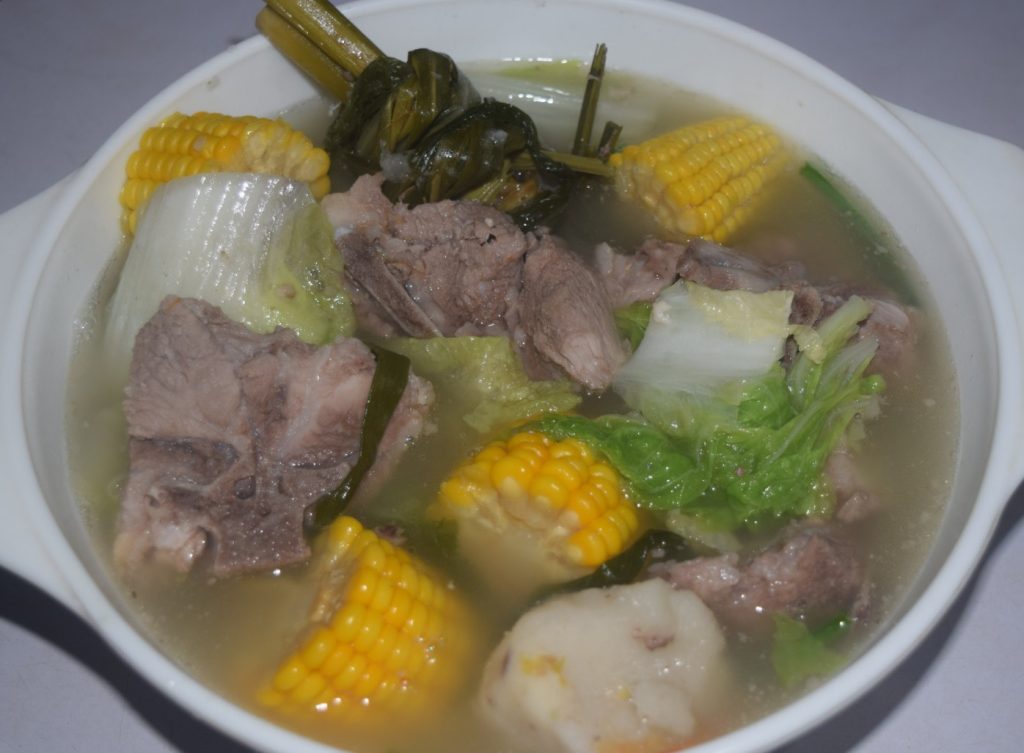
Beef Bulalo isn’t just a meal—it’s a comforting bowl of Filipino heritage. Known for its rich broth, tender beef shanks, and melt-in-your-mouth bone marrow, Bulalo has remained a timeless favorite in homes, karinderyas, and roadside eateries. As the demand for hot, hearty, and nostalgic dishes grows, launching a Beef Bulalo business presents a promising opportunity in today’s food scene.
In this guide, you’ll not only learn how to cook an authentic Bulalo recipe but also how to start a small food business selling this comfort dish—from equipment, costing, and pricing, to marketing strategies and a full SWOT analysis.
What is Beef Bulalo?
Bulalo is a traditional Filipino soup that features slow-simmered beef shank and bone marrow, resulting in a clear yet deeply flavorful broth. The long cooking process extracts the rich, natural flavors of the bones and meat, creating a savory and comforting dish.
Unlike other beef soups, bulalo is unique for its simplicity—no thick sauces, no overpowering spices, just pure beef goodness enhanced by subtle seasonings and vegetables like corn, cabbage, and pechay (Chinese cabbage).
The History and Origin of Bulalo
Bulalo originates from the provinces of Batangas and Tagaytay, where cattle farming is abundant. The dish was traditionally cooked for hours over wood-fired stoves, with the goal of extracting the rich flavors from the beef bones and marrow. Over time, it became a popular meal among travelers and locals alike, especially in the cool climate of Tagaytay, where numerous bulalohan (bulalo specialty restaurants) serve steaming bowls of this Filipino comfort food.
Today, bulalo has evolved into a nationwide favorite, with restaurants, eateries, and even home cooks creating their own variations while preserving the dish’s traditional taste.
Why is Bulalo So Popular?
1. Rich, Hearty Flavor
The slow-cooking process brings out the deep, beefy flavor of the bones, enhanced with simple seasonings and vegetables.
2. Comfort Food for All Occasions
Bulalo is the perfect meal for cold or rainy days, making it a go-to dish for family gatherings, celebrations, and even casual roadside stops.
3. Affordable and Accessible
Beef shank and marrow bones are relatively affordable, and the dish requires only a handful of ingredients, making it an economical choice for many Filipino households.
4. Highly Customizable
From Batangas-style bulalo (which is simpler and focuses on the broth) to the Tagaytay version (which includes more vegetables and richer flavors), there are various ways to enjoy this dish.
Authentic Beef Bulalo Recipe (Filipino Bone Marrow Soup)
Ingredients:
- 1.5 kg beef shanks (with bone marrow)
- 2 liters water
- 1 onion, quartered
- 1 tablespoon whole peppercorns
- 1 tablespoon rock salt
- 2 pieces corn on the cob, cut into chunks
- 1 bundle pechay or napa cabbage
- 1 small bunch green onions
- Optional: saba banana or sweet potato slices
Instructions:
- Boil & Simmer – In a large pot, boil beef shanks in water for 15 minutes. Discard water to remove scum.
- Slow Cook – Refill pot with fresh water and simmer the beef with onion, salt, and peppercorns for 2.5 to 3 hours (or 1.5 hours in a pressure cooker).
- Add Vegetables – When meat is fork-tender, add corn and cook for 10 minutes. Add cabbage and green onions, then simmer for 3 minutes.
- Serve Hot – Serve with steamed rice and optional fish sauce, calamansi, and chili for dipping.
Pro Tip: Roast bone marrow under the broiler before serving for a modern “bulalo overload” twist.
Add-On Variations to Boost Sales
- Bulalo Overload – Add cheese, roasted bone marrow, or chili garlic oil
- Bulalo Silog – With garlic rice and egg
- Bulalo Lugaw – Perfect twist for breakfast menus
- Mini Bulalo Packs – For budget-conscious customers
Turning Beef Bulalo into a Business
Why It’s Profitable:
- Low ingredient cost vs. high perceived value
- Perfect for rainy season cravings
- Can be sold by bowl, per pot, or via online delivery
- Easy to pair with rice, noodles, or silog meals
Initial Business Requirements
Equipment & Tools:
- Large stainless steel stew pot or pressure cooker
- Gas stove or portable burner
- Ladles, knives, chopping boards
- Soup bowls or eco-packaging for takeout
- Thermal food containers (for delivery)
- Tent or food cart (for street setup)
- Branding materials (signage, logo, banner)
Estimated Startup Capital (Small-Scale Setup)
| Item | Estimated Cost (PHP) |
|---|---|
| Initial Ingredients (1 week) | 7,000 |
| Cooking Equipment | 10,000 |
| Food Cart / Tent Setup | 20,000 |
| Packaging & Utensils | 3,000 |
| Business Permits | 5,000 |
| Initial Marketing Budget | 3,000 |
| Miscellaneous | 2,000 |
| Total Estimated Capital | PHP 50,000 |
Pricing and Profit Analysis
- Cost per bowl (with rice): PHP 40–60
- Suggested retail price: PHP 100–140
- Profit margin: 50%–60%
- Daily target sales: 30–50 bowls
- Daily gross revenue: PHP 3,000–7,000
- Break-even period: 1–2 months
Location Ideas for Selling Bulalo
- Food parks or night markets
- Near schools, offices, or barangay halls
- Weekend bazaars and Sunday markets
- Home-based kitchen with delivery service
- Online via Facebook Marketplace or GrabFood
Marketing Strategies for Your Bulalo Business
Digital Promotion:
- Post “steamy bowl” videos on TikTok and Facebook Reels
- Run “Bulalo of the Day” promos or loyalty cards
- Offer delivery-only discounts on rainy days
- Partner with local influencers or vloggers
Offline Promotion:
- Set up at events or barangay fiestas
- Print flyers with QR codes to your menu
- Offer free tasting on launch day
SWOT Analysis
| Strengths | Weaknesses |
|---|---|
| Popular, high-demand Filipino dish | Long cooking time required |
| Low cost to produce in bulk | Perishable ingredients |
| Flexible selling methods | Seasonal sales may vary |
| Perfect for takeout/delivery | High meat cost fluctuations |
| Opportunities | Threats |
|---|---|
| Trending comfort food in rainy season | Many competitors in food business |
| Online food selling growing fast | Market saturation in urban areas |
| Food parks and bazaars | Strict food safety compliance |
Best Places to Eat Bulalo in the Philippines
If you’re craving a bowl of bulalo but don’t have time to cook, check out these famous Bulalo hotspots in the Philippines:
1. Mahogany Market (Tagaytay)
✔ Famous for its rich, flavorful bulalo served with unlimited dipping sauces and side dishes.
2. Leslie’s Bulalo (Tagaytay)
✔ A top tourist spot offering scenic views of Taal Volcano while enjoying their signature bulalo.
3. Rose and Grace Restaurant (Batangas)
✔ Known for their Batangas-style bulalo, which focuses on the meat and bone marrow rather than vegetables.
4. R&J Bulalohan (Mandaluyong, Metro Manila)
✔ Open 24/7, making it a go-to place for late-night bulalo cravings.
5. Bulalo Point Turo-Turo Grill (Tagaytay)
✔ Offers a budget-friendly yet flavorful bulalo with large servings for sharing.
Health Benefits and Nutritional Value of Bulalo
While bulalo is undeniably delicious, it is also a rich source of essential nutrients. Here’s why it can be a good addition to your diet in moderation:
- High in Protein – Supports muscle growth and repair.
- Rich in Collagen – Good for skin, hair, and joint health.
- Iron & Zinc – Boosts immunity and improves oxygen circulation.
- Bone Marrow Benefits – Contains healthy fats and minerals essential for brain function.
⚠ Note: Due to its high cholesterol and fat content, bulalo should be consumed in moderation, especially for individuals with heart conditions or high blood pressure.
Frequently Asked Questions About Beef Bulalo
1. How do you make bulalo broth richer?
Simmer the bones for at least 3-4 hours and add beef bouillon or fish sauce for enhanced umami.
2. What is the difference between Batangas and Tagaytay Bulalo?
Batangas Bulalo focuses more on the beef broth and marrow, with minimal vegetables.
Tagaytay Bulalo includes more vegetables like pechay and cabbage for a heartier meal.
3. Can I cook bulalo in a pressure cooker?
Yes! You can reduce cooking time to 45-60 minutes by using a pressure cooker while still achieving tender meat and flavorful broth.
Final Thoughts
Selling Beef Bulalo isn’t just about satisfying hunger—it’s about bringing comfort, nostalgia, and Filipino tradition to the table. By combining a reliable, hearty recipe with a smart business model, you’re investing in a profitable and scalable food business that resonates with every spoonful.
Whether you choose to start from home, set up a food cart, or deliver through apps, a Bulalo business can bring in both passion and profit. Stick to quality, consistency, and customer connection, and you’ll soon have a loyal following of bulalo-loving customers ready to line up for your next bowl.