
Commercial building owners face a growing set of pressures. Energy costs continue to rise, climate conditions are less predictable, and tenants expect comfortable, well performing spaces. At the same time, efficiency upgrades must justify themselves financially. Investments that look good on paper but fail to deliver measurable returns rarely survive budget scrutiny.
Exterior shading systems, particularly architectural fins, are increasingly viewed as a strategic building upgrade rather than a design add on. These systems combine passive energy control with modern aesthetics, helping businesses reduce operating costs while enhancing the long term value of their properties.
How Exterior Shading Reduces Cooling Demand at the Building Envelope
From a performance standpoint, exterior shading addresses heat gain where it starts. When sunlight strikes glazing directly, heat enters the building and increases cooling demand. Interior blinds or shades attempt to manage this heat after it has already penetrated the space, limiting their effectiveness.
Architectural fins intercept solar radiation before it reaches the glass. This significantly reduces the amount of heat transferred indoors, particularly during peak summer hours when cooling systems are under the greatest strain. Studies consistently show that exterior shading can lower solar heat gain far more effectively than interior solutions.
For business owners managing large commercial footprints, this reduction translates into lower peak cooling loads, reduced HVAC runtime, and less wear on mechanical systems. Over time, these performance gains help stabilize energy expenses and extend equipment life.
Design Flexibility That Supports Brand and Property Value
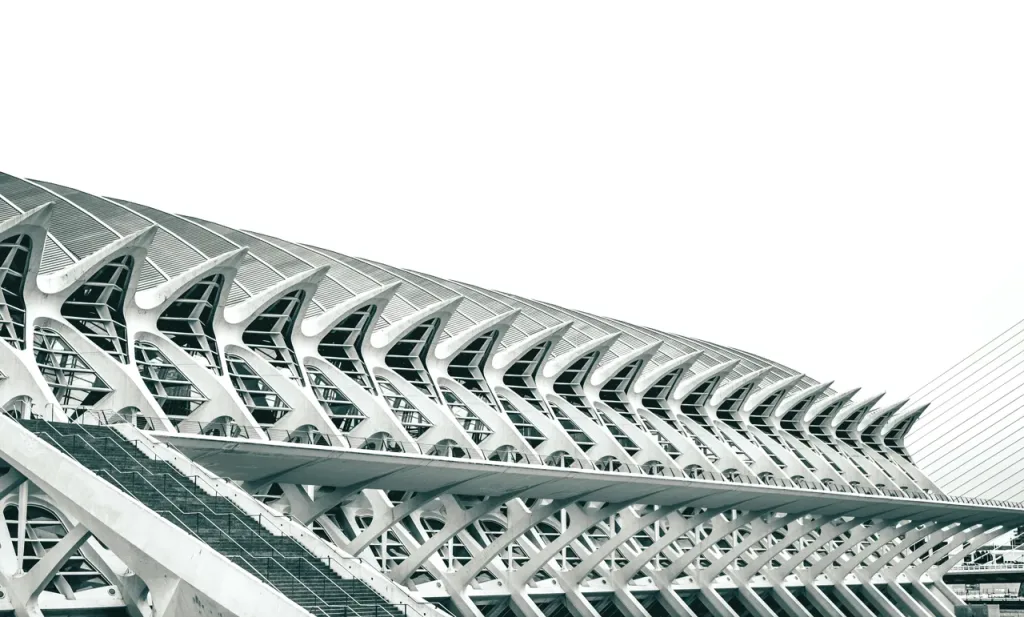
Modern shading systems no longer sacrifice appearance for function. Architectural fins are available in a wide range of materials, finishes, and configurations that can complement or elevate a building’s exterior. Aluminum remains popular for its durability and clean aesthetic, while composite and steel options support larger spans and custom designs.
For commercial properties, visual appeal directly influences perception. Buildings that look modern and intentional attract higher quality tenants and retain value longer. Exterior shading systems offer a way to refresh a façade without full exterior renovation, delivering visual impact with functional benefits.
Design flexibility also allows fins to be tailored to specific orientations. South and west facing elevations often receive the most solar exposure, and shading strategies can be adjusted accordingly. This targeted approach maximizes performance without unnecessary material or installation costs.
Measurable Energy Savings and Return on Investment
From a financial perspective, architectural fins perform best when evaluated over their lifecycle rather than as a single line item expense. Reduced cooling demand leads to lower energy consumption during the most expensive utility periods. For commercial buildings, where HVAC costs represent a significant portion of operating budgets, these savings add up quickly.
Many properties see payback periods ranging from three to seven years, depending on climate, building orientation, and system design. After that point, the energy savings continue to accrue while maintenance costs remain relatively low.
Exterior shading can also support broader sustainability goals. Reduced energy use lowers emissions, which may help meet regulatory requirements, qualify for incentives, or support corporate environmental commitments. These factors increasingly influence tenant decisions and investor evaluations.
Improved Occupant Comfort and Productivity
Tenant comfort has a direct impact on lease renewals and satisfaction. Excessive glare, uneven temperatures, and hot zones near windows are common complaints in commercial spaces with large glazed areas.
Architectural fins improve daylight quality by diffusing natural light and reducing glare without blocking views. Interior spaces feel brighter and more balanced, supporting productivity and occupant wellbeing. Consistent temperature distribution also reduces complaints and minimizes the need for manual thermostat adjustments.
For office environments, retail spaces, and mixed use developments, these improvements enhance the overall user experience. Comfortable buildings are easier to lease, command higher rates, and experience lower tenant turnover.
Installation Planning and Structural Considerations
Successful implementation requires coordination between design, engineering, and installation teams. Architectural fins introduce additional loads to the building envelope, particularly wind loads, which must be evaluated during planning.
Attachment methods vary depending on façade construction. Concrete, steel, and masonry systems each require different mounting strategies and hardware. Early structural assessment ensures that fins are integrated safely and efficiently without costly retrofits.
Business owners benefit from involving experienced professionals early in the process. Proper planning reduces risk, avoids delays, and ensures the system performs as intended from day one.
Low Maintenance and Long Term Durability
Once installed, high quality exterior shading systems require minimal maintenance. Metal fins typically need periodic cleaning to remove dust and environmental buildup. Annual inspections of fasteners and connections are generally sufficient to maintain performance.
Powder coated finishes offer excellent longevity, often lasting a decade or more before refinishing is needed. This durability supports predictable maintenance budgets and avoids frequent cosmetic updates.
From an asset management perspective, architectural fins provide long term value with relatively low ongoing costs, making them attractive for owners focused on operational efficiency.
Conclusion
For business owners, architectural fins represent a smart intersection of efficiency, aesthetics, and financial performance. By reducing cooling demand, improving occupant comfort, and enhancing building appearance, exterior shading systems deliver measurable benefits across multiple priorities.
As energy costs rise and expectations for sustainable, high performing buildings increase, passive solutions like architectural fins offer a durable competitive advantage. They reduce reliance on mechanical systems, support long term asset value, and position commercial properties for a future where efficiency and design work together rather than compete.