
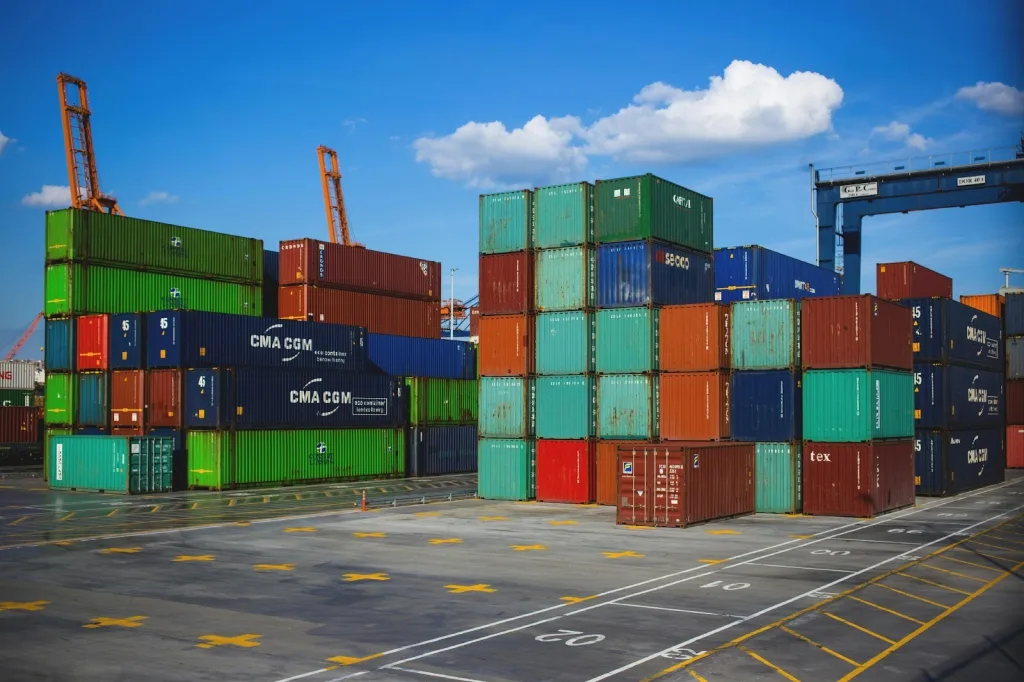
Selecting the right type of shipping container plays a vital role in how efficiently a business can store, transport, and protect its goods. Every industry has unique needs, and choosing a container that supports those needs enhances productivity and ensures materials reach their destination safely. Businesses of all sizes benefit from understanding the wide range of container options available today, especially as demands for versatility, durability, and cost‑effective solutions continue to grow.
Why Choosing the Right Container Matters
Businesses often underestimate the impact that container choice has on logistics. The type of container used influences how easily items can be transported, how well they are protected, and how much a company will spend on shipping. When goods are stored in containers built specifically for their properties, the risk of damage is greatly reduced. The right selection can also improve workflow efficiency, allowing companies to move items more quickly and with fewer restrictions. For businesses dealing with large volumes of cargo or sensitive materials, understanding container varieties becomes essential for long‑term success.
Standard Dry Containers and Their Versatility
The most widely recognized type of shipping container is the standard dry container. These containers are used across countless industries because they can handle a broad range of goods. Their enclosed steel structure shields cargo from weather, pests, and impact during transportation. Retailers, manufacturers, and distributors rely on these containers for their strength and reliability. Since they come in several sizes, businesses can choose a model that aligns with their storage capacity and shipment frequency. Despite being simple in design, standard dry containers remain one of the most dependable solutions for everyday commercial use.
High Cube Containers for Added Storage
High cube containers offer additional vertical space, making them ideal for businesses that need extra room without increasing the footprint of the unit. Industries that deal with lightweight but bulky items find these containers especially useful. The added height allows more goods to be stacked safely, improving storage efficiency. Whether a business is expanding its inventory or preparing for seasonal surges, high cube containers offer a convenient way to gain more space without investing in permanent structures. Their compatibility with standard transportation equipment also ensures they are easy to move between locations.
Refrigerated Containers for Temperature‑Sensitive Goods
Certain industries depend on refrigeration to keep their products safe and market‑ready. Pharmaceuticals, produce suppliers, and food manufacturers often use refrigerated containers to maintain controlled temperatures during shipping and storage. These containers include built‑in cooling systems that regulate the internal environment, protecting goods from heat or freezing conditions. By maintaining strict temperature ranges, businesses can comply with industry regulations while preserving product quality. Refrigerated containers are essential for any operation where freshness and stability are priorities.
Open Top and Flat Rack Options for Oversized Cargo
Some types of cargo do not fit inside traditional containers. Open top and flat rack containers offer a solution for transporting oversized or awkwardly shaped items. Construction companies, heavy‑equipment manufacturers, and industrial suppliers rely on these specialized units to move machinery, pipes, and large components. The open structure allows for loading from the top or sides, making it easier to handle items that cannot be maneuvered through a standard door. These containers provide the flexibility needed to transport cargo that exceeds typical size limitations.
Liquid Transport and the Role of Tank Containers
When companies need to move liquids, specialized equipment becomes necessary. Tank containers are engineered to carry chemicals, fuels, food‑grade liquids, and other materials that require secure containment. Their cylindrical tank design ensures stability and prevents leaks during transit. Many businesses search for options such as an ISO tank container for sale when their operations involve transporting bulk liquids. These containers adhere to international standards, ensuring they meet safety requirements and perform reliably under demanding conditions. From breweries to chemical suppliers, tank containers support industries that depend on safe liquid handling.
Choosing the Best Container for Your Business Needs
Every type of shipping container offers unique advantages, and selecting the right one comes down to understanding the nature of the goods being handled. Businesses should consider factors such as size requirements, temperature control, weight, regulatory expectations, and the frequency of transport. When companies evaluate these details carefully, they can select containers that improve efficiency and reduce overall risk. Whether a business needs a refrigerated unit, a high cube model, or a specialized tank, making an informed decision directly contributes to smoother operations and better long‑term planning.
Industry Trends Shaping Container Preferences
As global trade continues to evolve, many businesses are seeking containers that offer multi‑use functionality. Modular options, more durable materials, and sustainable designs are becoming increasingly popular. The rise in demand for containers that support both storage and transportation reflects a shift toward flexible, cost‑effective solutions. Some companies are also exploring customized containers to meet highly specific industry requirements. Whether dealing with oversized equipment or temperature‑sensitive goods, modern businesses value solutions that adapt to their operational needs.
Conclusion
Understanding the different types of shipping containers available allows businesses to make smarter decisions that support their logistical goals. From basic dry containers to specialized units designed for oversized cargo or liquid transport, each option serves a distinct purpose. By selecting a container that aligns with their products and processes, companies can improve efficiency, enhance safety, and protect their investments. With a clear understanding of available choices, businesses can confidently select the right container to handle their growing demands.