
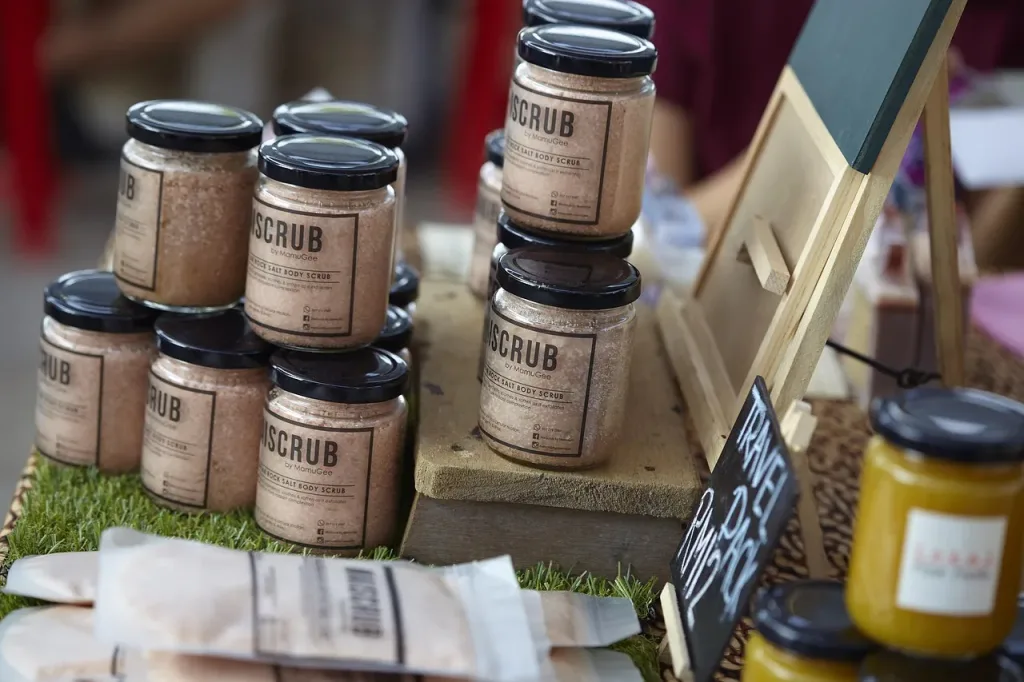
The global skincare industry has transformed — no longer dominated by big corporations, but driven by authentic, small beauty brands with real stories.
Consumers now crave natural, sustainable, and cruelty-free products that align with their values.
According to Statista, the global Beauty and Personal Care market is projected to generate US$677.19 billion in 2025, growing at an annual rate of 3.37% (CAGR 2025–2030). The Personal Care segment leads with an estimated US$293.08 billion, while the United States dominates global revenue at US$105 billion. Despite economic slowdowns, the industry continues to expand, fueled by the rise of organic and natural products and the increasing influence of online sales, which are expected to contribute 30% of total revenue in 2025.
If you’ve ever dreamed of creating your own skincare line — whether lotions, serums, soaps, or organic face oils — this guide will walk you through everything you need to know: from product formulation to branding, legal compliance, marketing, and profit projections.
Step 1: Define Your Niche and Brand Identity
The first step in starting a skincare business is knowing who you’re serving.
Ask yourself: “What specific skin problems or desires am I solving?”
Common Skincare Niches
- Organic & Natural Products – made with botanical or food-based ingredients.
- Men’s Skincare Line – simple, masculine packaging and scents.
- Anti-Acne & Oily Skin Products – using niacinamide, tea tree oil, etc.
- Anti-Aging Skincare – serums and moisturizers with collagen and retinol.
- Sensitive Skin & Baby Care – hypoallergenic and fragrance-free.
- Vegan & Cruelty-Free Brand – 100% plant-based, eco-friendly materials.
Tip: Don’t try to target everyone. Focus on a specific audience, like eco-conscious millennials, men over 30, or acne-prone teens — then build your product story around their needs.
Step 2: Research the Market and Competition
Before investing, study your competitors on:
- Shopee, Lazada, and TikTok Shop (Philippines)
- Instagram and YouTube influencers
- Brand websites and ingredient lists
Ask:
- What are their best-selling products?
- How do they price them?
- What are customers complaining about in reviews?
This research helps you identify gaps.
Example: If people complain that a popular moisturizer is too sticky or heavily scented, make your version lightweight and scent-free.
Step 3: Formulate and Test Your Products
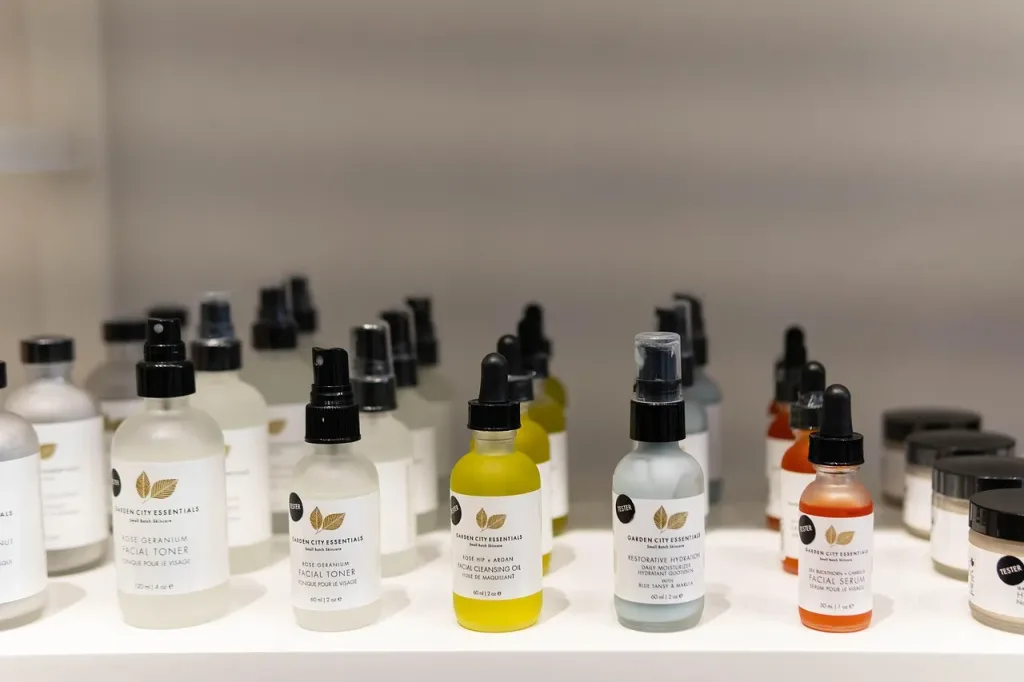
Option 1: Create Your Own Formula (DIY Formulation)
Ideal if you have chemistry knowledge or want full creative control.
You’ll need to study basic cosmetic chemistry, use lab-grade measuring tools, and ensure pH balance and stability testing.
Option 2: Partner with a Licensed Manufacturer
If you prefer to outsource, partner with a private label manufacturer that can create your formulations based on your ideas and preferred ingredients.
Option 3: Start with Melt-and-Pour or Base Products
For beginners, you can purchase ready-made soap or lotion bases, then customize with natural oils, extracts, and essential oils.
Sample Product Ideas
| Product | Key Ingredients | Selling Point |
|---|---|---|
| Brightening Face Serum | Vitamin C, Niacinamide, Licorice extract | Glowing skin in 7 days |
| Anti-Acne Soap | Tea Tree Oil, Aloe Vera, Charcoal | Clears acne gently |
| Anti-Aging Cream | Retinol, Collagen, Hyaluronic Acid | Youthful skin |
| Organic Lip Balm | Beeswax, Shea Butter, Essential Oils | All-natural and edible |
| Men’s Facial Wash | Charcoal, Menthol, Caffeine | Cool and refreshing |
Step 4: Estimate Capital and Startup Costs
Sample Budget for a Small Skincare Line (Philippines)
| Item | Estimated Cost (PHP) |
|---|---|
| Product formulation & testing | ₱30,000 – ₱80,000 |
| Manufacturing (initial batch of 500–1000 pcs) | ₱70,000 – ₱150,000 |
| Packaging & labeling | ₱20,000 – ₱60,000 |
| Business permits & FDA registration | ₱25,000 – ₱40,000 |
| Branding & logo design | ₱10,000 – ₱25,000 |
| Marketing (website, social media, influencers) | ₱20,000 – ₱60,000 |
| Miscellaneous (shipping, storage) | ₱10,000 – ₱20,000 |
| Total Estimated Capital | ₱185,000 – ₱435,000 |
Low-Capital Option: Start small with 2–3 products and do test batches to validate demand before scaling.
Step 5: Register Your Skincare Business
Legal Requirements in the Philippines
- DTI / SEC Registration – For your business name or corporation
- FDA (Food and Drug Administration) – Mandatory for all cosmetics and skincare products sold to the public
- BIR Registration – For official receipts and taxation
- Barangay & Mayor’s Permit – Local business compliance
Important: Never sell unregistered skincare products online. FDA compliance ensures product safety and consumer trust.
Step 6: Design Your Brand, Packaging, and Story
Consumers buy stories — not just creams.
Branding Tips
- Logo & Color Scheme: Reflect your niche. For example, earthy tones for organic brands.
- Packaging: Use recyclable containers or minimalist jars.
- Tagline Example:
- “Pure Beauty, Naturally Yours.”
- “Confidence Starts with Clean Skin.”
Packaging Regulations:
- Include ingredient list, batch number, expiration date, and FDA approval number on your label.
- Use water-resistant labels for longevity.
Step 7: Find a Reliable Manufacturer or Supplier
Search for:
- Local FDA-licensed skincare manufacturers
- Raw ingredient suppliers (essential oils, shea butter, emulsifiers)
- Packaging wholesalers (bottles, jars, labels)
Where to Find Them (Philippines):
- Alibaba (bulk raw ingredients)
- Shopee/Lazada Business Supplies
- Cosmetic trade fairs like PhilBeauty Expo or Cosmoprof Asia.
Step 8: Build Your Online Store and Social Media Presence
Online Platforms:
- Shopify or WordPress + WooCommerce (for your website)
- Shopee & Lazada for e-commerce
- TikTok Shop for viral sales
- Instagram for branding visuals
Social Media Tips:
- Post before-and-after photos (with permission)
- Share skincare routines, educational posts, and ingredient benefits
- Use hashtags like #skincareph #organicbeauty #glowingskin
- Collaborate with micro-influencers who match your brand’s tone
Step 9: Launch Strategy — Build Hype Before Selling
Pre-Launch Checklist:
- Send free samples to influencers or friends for feedback.
- Start a countdown campaign on social media.
- Offer pre-orders or bundle discounts for early buyers.
- Host a small launch event or online livestream demo.
Example Marketing Hooks:
- “Skincare made for tropical weather.”
- “100% organic and proudly Filipino-made.”
- “No chemicals. No lies. Just results.”
Step 10: Manage Production, Pricing, and Profit
Pricing Formula:
Retail Price = (Production Cost × 2.5) + Packaging + Marketing + Margin
Example:
If one jar costs ₱80 to produce, your ideal retail price = ₱250–₱350
Monthly Profit Estimate (Small Brand):
| Source | Monthly Revenue |
|---|---|
| 500 units × ₱250 avg. | ₱125,000 |
| Online sales margin | ₱60,000 – ₱80,000 |
| Expenses (marketing, materials) | ₱40,000 |
| Net Profit | ₱20,000 – ₱40,000/month initially |
Once your brand gains traction and influencer endorsements, profit can scale up to ₱100,000–₱200,000/month.
Step 11: Expand and Innovate
After your first few product successes, consider expanding into:
- Face masks or serums
- Sunscreen (SPF products)
- Body care (scrubs, lotions)
- Hair care (organic shampoo, conditioner)
You can also white-label your products — supplying other small sellers under their own brand name for added income.
Step 12: Build Trust
- Share before/after testimonials and lab test results
- Include an About the Founder story
- Publish skincare blogs on your website to rank on Google (SEO)
- Be transparent about ingredient sourcing and safety
- Partner with dermatologists or skincare professionals for credibility
FAQs (with Schema-friendly Content)
Q1: How much capital is needed to start a skincare line?
A: Between ₱185,000 to ₱435,000, depending on scale, ingredients, and manufacturing.
Q2: Do I need FDA approval before selling?
A: Yes. All skincare and cosmetic products must be FDA-registered before public sale.
Q3: Can I sell homemade skincare online without a license?
A: You can sell test samples privately, but once you market publicly, FDA registration is mandatory.
Q4: What’s the most profitable skincare product to start with?
A: Face serums, organic soaps, and moisturizers are high-demand and low-cost to produce.
Q5: How do I make my skincare brand stand out?
A: Focus on authenticity, transparency, and your unique ingredient story — like “coconut-based skincare for humid climates.”
Sample ROI Projection (1-Year)
| Quarter | Investment | Revenue | Net Profit |
|---|---|---|---|
| Q1 | ₱200,000 | ₱100,000 | -₱100,000 (startup cost) |
| Q2 | ₱50,000 | ₱180,000 | ₱130,000 |
| Q3 | ₱50,000 | ₱250,000 | ₱200,000 |
| Q4 | ₱60,000 | ₱350,000 | ₱290,000 |
| Total 1-Year ROI | — | — | ₱520,000+ net profit |
Bonus: Best-Selling Organic Ingredients
- Aloe Vera Gel – cooling, hydrating
- Niacinamide – brightening and anti-acne
- Green Tea Extract – antioxidant-rich
- Licorice Root – natural skin lightener
- Tea Tree Oil – anti-bacterial
- Centella Asiatica (Cica) – healing and soothing
- Hyaluronic Acid – intense hydration
Use local, sustainably sourced ingredients whenever possible for lower costs and better branding.
Conclusion: Turn Your Passion Into a Profitable Skincare Brand
Starting a skincare line or beauty product isn’t about being a chemist — it’s about solving people’s skin problems with honesty, innovation, and care.
With strong branding, trusted ingredients, and consistent marketing, your skincare business can grow from a small online store into a full-fledged beauty brand.
Whether it’s organic soaps, brightening serums, or men’s skincare, your authenticity will be your most powerful product.