
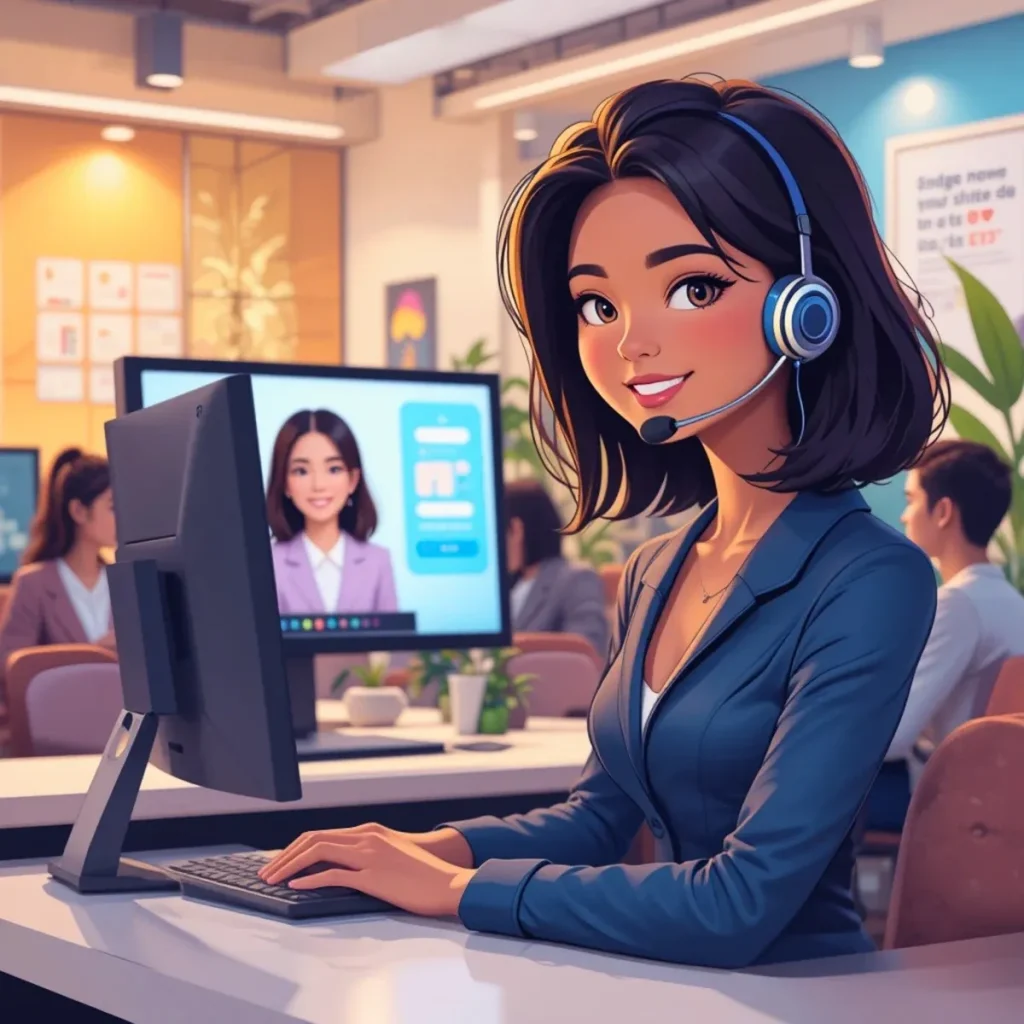
AI-powered Virtual Assistants are revolutionizing how small and medium-sized enterprises (SMEs) work. Every SME faces the same challenge: too much to do, not enough hands. Tasks like scheduling, email replies, data entry, and customer support consume hours that could be used for growth. Hiring full-time staff is costly, and outsourcing often brings inconsistent results. AI-Powered Virtual Assistants, however, work 24/7, never call in sick, and cost only a fraction of a human employee. SMEs across industries now rely on them to automate tasks, streamline operations, and scale support.
What Is an AI-Powered Virtual Assistant?
An AI-powered virtual assistant is a software solution that uses artificial intelligence to automate administrative, operational, and customer-facing tasks. Unlike traditional chatbots that only respond to FAQs, modern AI VAs can integrate across email, calendars, CRMs, and even project management platforms.
Key capabilities include:
- Email and Calendar Management – Automatically sorts inboxes, schedules meetings, and sends reminders.
- Task Automation – Creates to-do lists, follows up on projects, and handles routine workflows.
- Customer Support – Answers queries through chat or voice with natural language processing (NLP).
- Data Entry and Reporting – Updates spreadsheets, processes orders, and generates reports.
- Content Assistance – Drafts emails, blogs, or proposals with AI writing tools.
Why SMEs Need AI-Powered Virtual Assistants
For small businesses, every dollar and every minute matters. AI-powered VAs solve multiple pain points:
- Lower Operational Costs
Instead of hiring full-time staff, SMEs can pay for affordable SaaS subscriptions. An AI VA can replace hours of clerical work at a fraction of the cost. - 24/7 Availability
No lunch breaks, no time zones, no delays. AI assistants work round the clock, ensuring customers always get a timely response. - Scalable Business Growth
As a company grows, AI-Powered Virtual Assistants can take on more tasks without the need to constantly hire new staff. - Improved Productivity
Business owners and employees can focus on higher-value work like sales, strategy, and innovation. - Consistency and Accuracy
Unlike humans who can make errors or overlook details, AI assistants follow programmed workflows with precision.
Examples of AI-Powered Virtual Assistant Tools in 2025
SMEs now have access to powerful AI SaaS platforms tailored for business support:
- x.ai (AI Scheduler) – Manages calendars, books meetings, and coordinates across time zones automatically.
- Clara Labs – Acts as a digital executive assistant, handling emails and meeting follow-ups.
- Motion – Uses AI to build tailor-made AI employees designed to fit your unique business needs.
- Talla – Focuses on customer support automation, integrating with Slack and email to handle client requests.
- Otter.ai – Transcribes meetings in real time, making note-taking effortless for SMEs with busy teams.
- Zoho Zia – Built into Zoho’s CRM, Zia answers customer questions, analyzes sales data, and automates tasks.
These AI platforms are helping small businesses achieve enterprise-level productivity without enterprise-level budgets.
Step-by-Step: How SMEs Can Implement AI-Powered Virtual Assistants
- Identify Repetitive Tasks
Start with low-hanging fruit—emails, calendar management, FAQs, or order processing. - Choose the Right Platform
Select a VA tool that integrates seamlessly with your current systems (e.g., Gmail, Slack, or CRM). - Train the AI
Upload business-specific data like product info, service FAQs, or customer details. The more context AI has, the smarter it becomes. - Pilot with One Department
For example, start with customer support or scheduling. Test performance before scaling across the business. - Monitor and Optimize
Track metrics like response time, error reduction, and employee hours saved. Fine-tune workflows as needed.
Case Studies: SMEs Thriving with AI-Powered Virtual Assistants
- A small real estate agency in Texas uses x.ai to handle client meeting schedules. This reduced back-and-forth emails by 80%, allowing agents to focus on sales.
- A freelance consulting firm in California relies on Otter.ai to transcribe client meetings. This cut note-taking time in half and improved documentation accuracy.
- A Philippine e-commerce store adopted Zoho Zia to automate customer queries about orders. Response times improved from hours to seconds, boosting customer satisfaction.
Challenges of AI-Powered Virtual Assistants for SMEs
Of course, adoption comes with hurdles:
- Learning Curve – Business owners may need time to adjust workflows around AI.
- Data Privacy – Storing sensitive customer or financial data with third-party tools requires compliance with security standards.
- Human Touch – Customers sometimes prefer talking to real people. SMEs need a balance of automation and personal interaction.
- Integration Costs – While cheaper than full-time hires, premium AI VA platforms still require investment.
The Future of AI-Powered Virtual Assistants in SMEs
In the coming years, expect AI VAs to grow more powerful:
- Voice-Powered Virtual Assistants – Handling calls and customer inquiries in natural conversations.
- Deeper CRM Integration – Automatically analyzing customer behavior and suggesting upsell opportunities.
- Proactive Assistance – AI that doesn’t just wait for commands but anticipates business needs and takes action.
- Multilingual Capabilities – Breaking barriers for SMEs serving international clients.
For SMEs, this means less manual work, more growth opportunities, and smarter resource allocation.
Final Thoughts
AI-powered virtual assistants are no longer futuristic gadgets—they’re practical, affordable tools reshaping how SMEs operate in 2025. By cutting costs, boosting productivity, and scaling operations, they help small businesses compete at a global level.
If you’re an SME owner overwhelmed by daily tasks, it’s time to explore AI VAs. Start small, train the system with your business data, and let AI handle the repetitive work while you focus on growth.
In today’s world, SMEs that embrace AI-powered virtual assistants are the ones most likely to thrive in competitive markets.