
Averrhoa bilimbi (commonly known as camias or kamias) is a fruit-bearing tree found throughout the Philippines. Its fruit is ellipsoidal, elongated, measuring about 4 – 10 cm and sometimes faintly 5-angled. The skin, smooth to slightly bumpy, thin and waxy turning from light green to yellowish-green when ripe. The flesh is crisp and the juice is sour and extremely acidic and therefore not typically consumed as fresh fruit by itself. Fruit is often preserved and used as a popular flavouring/seasoning.
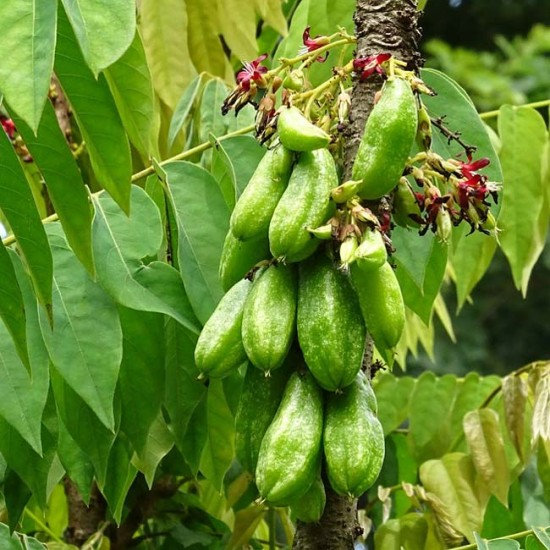
Preserving fruits is a timeless method of extending their shelf life while turning them into delicious, homemade treats. One of the most underrated yet flavorful fruits you can preserve is camias, also known as bilimbi or iba in local dialects. This tart, green fruit is abundant in the Philippines and Southeast Asia, and when preserved or candied, it transforms into a uniquely sweet-and-sour delight.
If you’re looking for a way to reduce food waste, start a small food business, or just enjoy healthy snacks at home, learning how to preserve camias and make camias candy is a worthwhile skill.
Why Camias?
Camias is naturally sour and rich in vitamin C. Due to its acidic content, it’s often used in traditional Filipino dishes like paksiw or sinigang. However, it also makes a perfect base for sweet preserves and candies when prepared correctly. Plus, it’s locally available, low-cost, and highly versatile — making it ideal for food preservation enthusiasts or aspiring entrepreneurs.
Benefits of Preserving Camias
- Longer shelf life – Properly preserved camias can last for months.
- No preservatives – You control what goes into your food.
- Flavor retention – The sweet-tart flavor is intensified.
- Business potential – Preserved camias, kamias iced tea and camias candy are great for local markets or online selling.
- Sustainable – It’s an eco-friendly way to use excess harvests.
Preserved and candied camias can be used in:
- Homemade gift packs
- School snacks or baon
- Add-ons to desserts or baked goods
- Business product lines (ideal for pasalubong centers or Shopee sellers)
- Local food fairs or events
Important Tips Before You Start
- Sanitize everything – From your jars to utensils, proper sanitation ensures longer shelf life.
- Use non-reactive cookware – Stainless steel or enamel pots are best when working with acidic fruits.
- Choose fresh camias – Preferably firm, unbruised, and medium-sized.
How to make your own Preserved Camias
Materials:
Sugar
Camias (medium sized)
Lime (apog)
Utensils:
Measuring cups
Spoon
Colander or salaan
Rolling pin
Kettle
Jars
Procedure:
1. Select large, firm camias.
2. Soak in lime water (1 tsp. lime or “apog” to a liter of water) overnight. Wash and remove caps.
3. Boil in plenty of water using a stainless steel or enameled kettle.
4. Drain and press each fruit lightly to remove excess water.
5. To 2 parts of sugar add 1 part of water and boil in stainless steel or enameled kettle.
6. Add the camias to this syrup and boil for about 15 minutes.
7. Drain. Pack camias in sterilized jars and pour syrup.
8. Remove air bubbles.
9. Seal completely and process in 227 ml. jars for 20 minutes in boiling water. Reseal completely and cool.
For Camias Candy:
To make candied camias, begin by sorting fruits according to size and eliminating the spoiled or damaged ones.
1. Weigh and wash the fruits.
2. Soak them overnight in lime solution (one tablespoon lime per one liter of water). This process will firm up the fruits. Again, wash thoroughly in running water to remove lime.
3. Blanch fruits in boiling water for three to five minutes and drain.
4. Prick the bottom part of camias with a fine toothpick and press each fruit lightly to remove some of the fruit juice.
5. Prepare syrup (2 parts sugar to one part water), boil it and strain.
6. Add the camias to the syrup and boil them for five minutes and soak overnight.
7. Remove the fruits and add one cup sugar to the syrup and boil. Then add camias again and heat for five minutes.
8. Soak the fruits overnight.
9. The following day, remove fruits and add some more sugar to the syrup. Then, add camias again and boil for five minutes.
10. Allow to cool; drain and weigh.
11. Arrange camias on a tray and dry in a solar dryer.
12. After drying, weigh again and pack in plastic bags and seal.
How Much Does It Cost to Start?
Starting a home-based camias preservation setup can be very affordable:
- Initial supplies: ₱500–₱1,000 (sugar, lime, jars)
- Equipment: ₱1,000–₱2,000 (reusable utensils, pots, drying tray)
- Expected ROI: 20–40% if sold at ₱50–₱100 per jar or pack
You can start with as little as ₱1,500 capital, especially if you’re using camias from your backyard or neighbors.
Marketing Ideas for Homemade Camias Products
- Create a brand and start a Facebook Page or Shopee Store
- Offer free taste samples at your local barangay events
- Collaborate with pasalubong centers, sari-sari stores, or food resellers
- Highlight “all-natural, no preservatives” in your labels
- Share short videos or photos of your drying and packing process on TikTok or Reels
Final Thoughts
Preserving camias or turning it into a delicious kamias candy is more than just a culinary experiment—it’s a potential small business, a sustainable home food project, and a fun bonding activity for families.
This guide is designed to help you understand every step—from sourcing ingredients and materials, to cooking, preserving, and even selling your finished product. Whether you’re doing this for personal consumption or turning it into a business, preserving camias is a sweet and sour success waiting to happen.
Let your creativity and resourcefulness shine through—and remember, your homemade preserved camias or camias candy could be the next crowd-favorite Filipino delicacy.
Source: UNLAD, NSDB Appropriate Technology, https://en.wikipedia.org/wiki/Averrhoa_bilimbi
Can I ask who is the author of this blog I will use some of the content for Thesis or Academic use. so that I will put credit to the owner.
can we use the apog as lime solution?
Can you also share how to make Kamias Champoy?
Very interesting madaragdagan na ang aking kaalaman may tulong pangkabuhayan pa.