
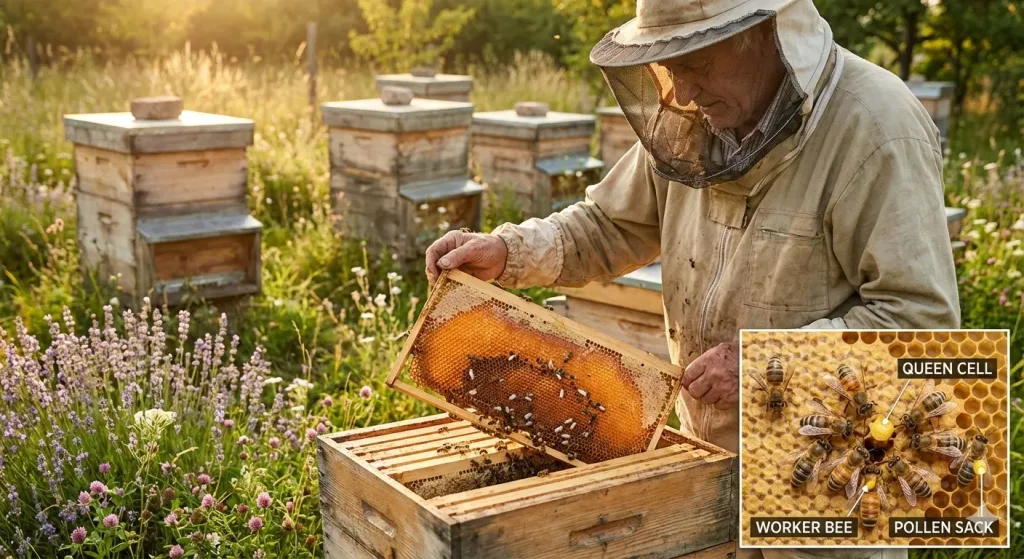
Beekeeping in the Philippines is no longer just a hobby for farmers—it has become a serious livelihood option for students, backyard growers, and small entrepreneurs. With increasing demand for pure honey and natural bee products, many Filipinos are now asking the same question: Is beekeeping really worth starting?
From years of hands-on experience, the answer is yes—but only if it’s done correctly.
This article shares a complete, practical guide to beekeeping in the Philippines, designed for readers who want reliable information, not shortcuts. It covers everything from hive setup and daily management to startup capital, costs, and long-term income potential.
Importance of Beekeeping
Bees are essential pollinators that help crops grow and increase food production. Through beekeeping, farmers can earn income from honey, beeswax, propolis, and pollen. Beekeeping also supports environmental conservation and biodiversity. It is a low-land, low-capital livelihood that can be practiced by students, farmers, and small entrepreneurs.
Bee Species Raised in the Philippines
Stingless Bees (Native Bees)
Stingless bees are native to the Philippines and are ideal for beginners. They do not sting, are easy to manage, and are resistant to local pests and climate conditions. Honey yield is lower, but the honey is considered medicinal and sells at a higher price.
Average price per stingless bee colony ranges from PHP 2,500 to PHP 4,000 depending on strength.
European Honey Bees (Apis mellifera)
European honey bees produce higher volumes of honey but require more experience, proper hive management, and pest control. They are more sensitive to diseases and weather changes.
A colony with a queen usually costs between PHP 3,500 and PHP 6,000.
Apiary Site Selection
A good apiary site must have:
- Abundant flowering plants within a 2–3 kilometer radius
- Clean water source nearby
- Proper drainage to avoid flooding
- Partial shade to protect bees from extreme heat
Hives should be placed away from busy areas and raised at least 30–50 cm above ground to prevent ants and moisture problems.
Types of Beehives
Top-Bar Hive
Commonly used for stingless bees. It is simple, affordable, and easy to maintain. Locally made top-bar hives cost around PHP 1,200 to PHP 2,000.
Langstroth Hive
Used for European honey bees. It allows easy inspection and honey harvesting. A complete Langstroth hive costs around PHP 2,500 to PHP 4,000 depending on materials.
Hives should be well-ventilated and protected from rain to prevent mold growth.
Tools and Equipment Needed
Basic beekeeping tools include:
- Protective veil: PHP 400–800
- Beekeeper gloves: PHP 300–600
- Smoker (used to calm bees): PHP 700–1,200
- Hive tool: PHP 200–400
- Sugar feeders: PHP 200–400
- Honey containers and strainers: PHP 300–600
Beginners can start with basic tools and add equipment as their operation expands.
Establishing Bee Colonies
Bee colonies should be purchased from trusted local breeders or cooperatives to ensure they are healthy and adapted to local conditions. New colonies should be observed for active foraging, brood presence, and normal behavior.
New colonies should not be disturbed frequently during the first few weeks to allow them to settle.
Feeding and Nutrition
During seasons when flowers are scarce, bees may need supplemental feeding.
The most common feed is sugar syrup made by mixing white sugar and clean water at a 1:1 ratio. Brown sugar and artificial sweeteners should not be used.
Feeding should be stopped once natural nectar sources are available.
Pest and Disease Management
Common pests in Philippine beekeeping include ants, wax moths, mites, and fungal growth due to humidity.
Common Control Methods and Chemicals
- Ant control: grease or used oil applied to hive stand legs
- Wax moth prevention: proper ventilation and strong colonies
- Mite control (for European bees): formic acid pads or thymol-based treatments (used carefully and according to instructions)
- Fungal control: keeping hives dry and well-ventilated
Chemical treatments should be used only when necessary and never during honey harvesting to avoid contamination.
Climate-Smart Beekeeping Practices
Beekeepers should secure hives before typhoon season using straps or weights. During hot months, additional shade and water sources should be provided. Planting flowering trees such as coconut, mango, rambutan, coffee, cacao, sunflower, malunggay and other flowering plants help ensure food availability for bees.
Avoid using pesticides near apiary sites as these chemicals can kill bees.
Honey Harvesting
Honey should only be harvested when it is fully mature. For European bees, capped honey frames indicate readiness. For stingless bees, honey pots should be harvested carefully to avoid damaging the colony.
Only a portion of the honey should be harvested to ensure the bees have enough food.
Honey Processing and Storage
After harvesting, honey should be strained using clean cloth or food-grade strainers. Heating should be avoided because it reduces honey quality.
Honey should be stored in clean, dry glass jars. Proper labeling with production date and source increases market trust.
Initial Capital Requirement
A beginner with three to five hives may need an initial capital of approximately PHP 15,000 to PHP 30,000. This includes hives, bee colonies, basic tools, and feeding supplies.
Costs can be reduced by using locally made hives and shared equipment.
Cost and Return Analysis
In the first year, income may be limited as colonies establish themselves. A healthy hive can produce 10–20 kilograms of honey annually. Honey prices range from PHP 400 to PHP 600 per kilogram, depending on quality and location.
Additional income can come from beeswax, propolis, and selling new colonies. Profits increase significantly in the second and third years with proper management.
Marketing and Selling Bee Products
Honey can be sold through local markets, direct community sales, social media platforms, and small retail stores. Customers value pure, unadulterated honey with clear labeling.
Building trust and maintaining quality are essential for long-term sales.
Government Support and Training
The Department of Agriculture and local government units offer beekeeping training, seminars, and sometimes starter kits. Registering with the Department of Trade and Industry is recommended for those selling commercially.
Joining beekeeping cooperatives provides access to shared knowledge and support.
Safety and Good Beekeeping Practices
Beekeepers should wear protective gear, maintain clean tools, and practice proper hygiene. New colonies should be isolated before mixing with existing hives to prevent disease spread.
Responsible beekeeping protects both the beekeeper and the bees.
Conclusion
Beekeeping is a sustainable and practical livelihood in the Philippines. With proper planning, correct management, and patience, beginners can successfully produce honey and other bee products. Starting small and learning continuously are key to long-term success in beekeeping.
hi can you teach me about beekeeping?
Hi good day, Currently I am an OFW and I am interested in bee keeping. I would like to know how start and what should I do?
Hi.
Where can I get a training for this?
How much is the training cost?
Thanks
Hi. I’m interested in having my own apiary. I would like to know where to purchase the supplies, tools, and equipment needed to start my very own apiary.
Great articale for beginners – thank you
just