
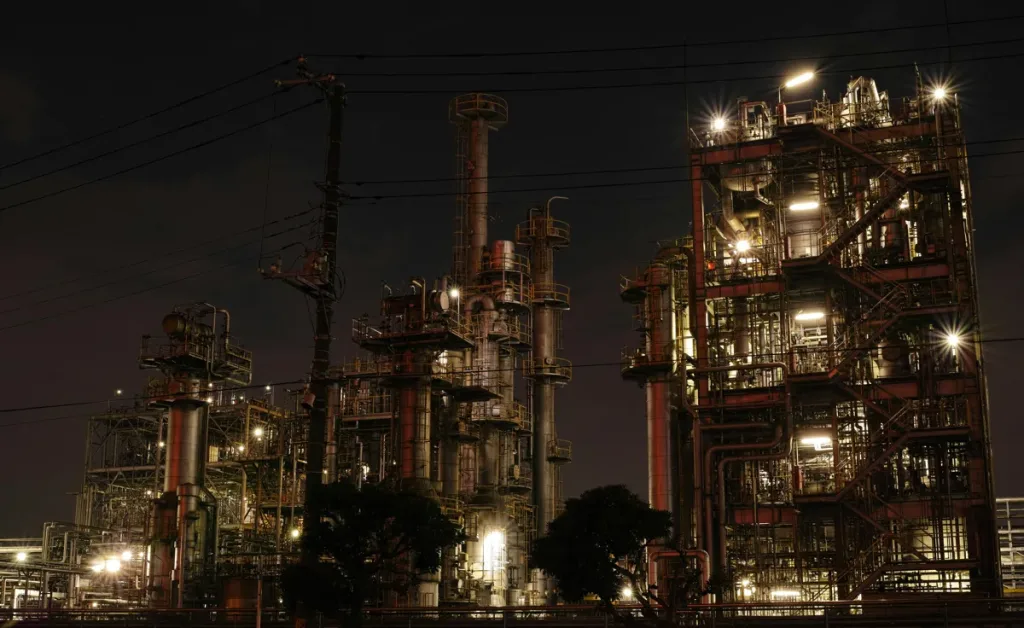
Modern factories rely on precision machinery to maintain high throughput and consistent quality. These systems operate under demanding conditions, often running for extended hours in environments filled with dust, moisture, and temperature fluctuations. While external durability is important, the true measure of reliability lies in how well the internal mechanics are protected. When critical components fail, the cost is not limited to repairs; it includes downtime, lost productivity, and potential damage to surrounding equipment. Safeguarding internal mechanisms is therefore essential for ensuring long-term performance and operational stability.
The Impact of Environmental Stress on Machinery
Factory floors are rarely pristine environments. Heavy vibrations, airborne particles, and exposure to lubricants or chemicals can infiltrate machinery and degrade internal components. Bearings, seals, and drive systems are particularly vulnerable because they operate under constant motion and load. Even minor contamination can lead to accelerated wear, misalignment, and eventual breakdown.
Temperature fluctuations add another layer of complexity. Heat generated during operation can cause thermal expansion, while cooler ambient conditions may lead to contraction. These changes affect tolerances and can compromise the integrity of moving parts. Without adequate protection, the cumulative effect of these stresses shortens equipment life and increases maintenance frequency.
Why Internal Protection Drives Longevity
Protecting internal mechanics is about preserving precision. Components such as guides, actuators, and bearings are designed to operate within tight tolerances. When contaminants or excessive wear disrupt these tolerances, performance suffers. Misalignment can lead to uneven loads, which in turn cause premature fatigue in structural elements.
Sealed housings, protective covers, and advanced lubrication systems are common strategies for shielding internal parts. These measures reduce friction, prevent ingress of harmful particles, and maintain smooth motion over time. By investing in robust protection, manufacturers reduce the risk of unexpected downtime and extend the service life of critical assets, ultimately improving return on investment.
The Role of Motion Components in System Reliability
Motion components are the backbone of automated systems. They enable precise positioning, controlled movement, and repeatable performance across countless cycles. However, their reliability depends on how well they are safeguarded against operational hazards. For example, a linear guide provides smooth, accurate travel for machine elements, but if its internal raceways become contaminated or corroded, the entire system can lose precision.
High-quality guides often incorporate seals and wipers to keep debris out, along with specialized coatings to resist corrosion. These features are not optional; they are essential for maintaining accuracy in environments where dust and moisture are unavoidable. When combined with proper installation and routine maintenance, these protective measures ensure that motion components deliver consistent performance throughout their lifecycle.
Maintenance Strategies for Internal Component Protection
Even the best-designed systems require proactive care. Maintenance strategies should focus on preserving internal integrity rather than reacting to failures. Regular inspections, lubrication schedules, and contamination checks help identify early signs of wear before they escalate. Predictive maintenance tools, such as vibration analysis and thermal imaging, provide additional insight into component health without disassembly.
Training staff to recognize warning signs is equally important. Operators who understand the relationship between internal mechanics and overall system performance can take corrective action quickly. This approach minimizes downtime and prevents costly secondary damage to interconnected systems.
Designing for Durability from the Start
Longevity begins at the design stage. Engineers must consider environmental conditions, load requirements, and maintenance accessibility when specifying components. Protective features such as sealed bearings, corrosion-resistant materials, and integrated covers should be standard in applications where exposure risks are high. By prioritizing internal protection during design, manufacturers reduce lifecycle costs and enhance reliability from day one.
Collaborating with suppliers who specialize in precision components also pays dividends. These partners can recommend solutions tailored to specific operating environments, ensuring that every element; from motion guides to actuators, meets durability standards. This proactive approach positions factories to achieve sustained performance without frequent intervention.
Conclusion
Protecting internal mechanics is a critical factor in achieving system longevity in factory settings. Environmental stress, contamination, and thermal fluctuations pose constant threats to precision components, but with proper design, maintenance, and protective measures, these risks can be mitigated. By focusing on internal integrity, manufacturers safeguard productivity, reduce downtime, and maximize the return on their equipment investments. In an industry where reliability drives competitiveness, internal protection is a necessity for long-term success.