
When it comes to home improvement, few projects are as exciting—and potentially overwhelming—as remodeling your kitchen. It’s the heart of the home, a hub for family gatherings, and often a key selling point in real estate. But many homeowners hesitate to take the plunge, fearing the high costs associated with kitchen renovations. The good news? You don’t have to spend a fortune to create a functional, beautiful kitchen that suits your lifestyle. This guide will walk you through practical strategies for remodeling your kitchen on a budget—without sacrificing style or quality.
1. Start with a Realistic Budget
Before you even pick up a hammer, set a firm budget. Kitchen remodels can easily spiral out of control if you don’t plan ahead. The average cost of a kitchen remodel in the U.S. ranges from $12,000 to $35,000 or more, depending on the scope of the project. Decide what you can afford and stick to it.
Break down your budget into categories such as:
- Cabinets
- Countertops
- Appliances
- Flooring
- Lighting
- Plumbing
- Labor
Leave a 10–15% buffer for unexpected expenses. It’s nearly inevitable that something will pop up—rotten wood, plumbing issues, or delivery delays.
2. Prioritize Your Needs Over Wants
Think function first. Ask yourself:
- Do I need more storage?
- Is the current layout inefficient?
- Are my appliances outdated or broken?
- Is lighting a problem?
Focus on changes that will significantly improve how your kitchen functions day-to-day. Cosmetic upgrades can wait, or be done gradually over time. By addressing the essentials first, you’ll make smarter spending decisions and avoid unnecessary splurges.
3. Keep the Existing Layout
One of the biggest cost savers in any kitchen remodel is sticking to the existing layout. Moving plumbing, gas lines, or electrical wiring can dramatically increase expenses. If your current kitchen layout works, focus on upgrading surfaces and fixtures rather than relocating everything.
For example, instead of relocating the sink or stove, consider changing the cabinetry, replacing countertops, or updating hardware to create a fresh look.
4. Refinish Instead of Replace
Brand-new cabinets can eat up 30–40% of your renovation budget. If your existing cabinets are structurally sound, consider refinishing, refacing, or painting them instead.
- Refinishing involves sanding and staining or painting the existing cabinets.
- Refacing replaces the cabinet doors and drawer fronts while keeping the frames intact.
- New hardware like handles and knobs can also elevate the look for a fraction of the cost.
Similarly, if your appliances are still functional, consider keeping them until your next upgrade cycle.
5. Choose Affordable Materials that Look High-End
You don’t need marble countertops and custom cabinetry to have a luxurious kitchen. Plenty of budget-friendly materials mimic high-end aesthetics:
- Laminate countertops now come in stylish finishes that resemble stone.
- Vinyl plank flooring offers a wood-like look and durability at a lower cost.
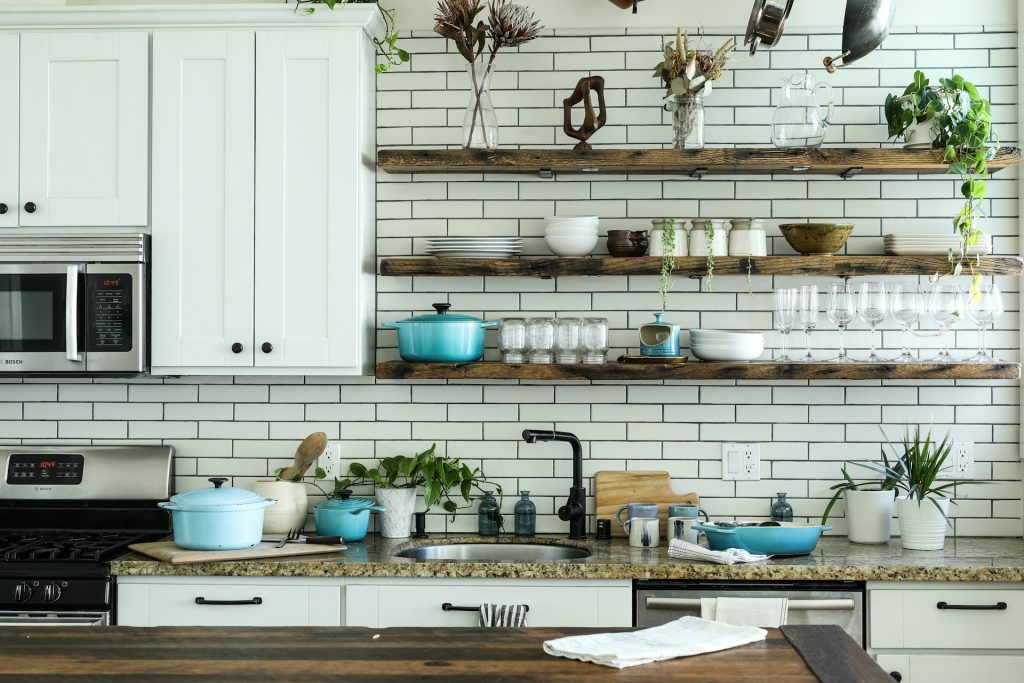
- Subway tile is a timeless, affordable backsplash option.
- Open shelving can reduce cabinetry costs while creating a modern vibe.
If you’re eyeing premium finishes, consider using them in smaller areas (like a kitchen island) to create a focal point while saving on the rest.
6. Do It Yourself—Within Reason
Labor can account for up to 40% of a kitchen remodel. By tackling certain projects yourself—such as painting, installing backsplash tiles, or assembling cabinets—you can significantly cut costs.
However, leave the plumbing, electrical work, and structural changes to licensed professionals. Mistakes in these areas can be costly and dangerous. Know your limits and don’t be afraid to mix DIY with professional help.
7. Shop Smart for Appliances and Fixtures
Timing is everything. Look for:
- Seasonal sales around major holidays like Memorial Day, Black Friday, and Labor Day.
- Scratch-and-dent stores for high-quality appliances with minor cosmetic damage.
- Online marketplaces like Facebook Marketplace or Habitat for Humanity ReStores for used or surplus items.
Also, consider buying a suite of appliances from one brand, as it often results in a package discount.
8. Plan Lighting Strategically
Good lighting transforms any kitchen. While recessed and under-cabinet lighting is great, it can be expensive to install. Alternatives include:
- Pendant lights for islands and dining nooks.
- LED strip lighting under cabinets (easy to install and energy-efficient).
- Smart bulbs that change color and brightness, adding ambiance without rewiring.
The right lighting can highlight your home improvement efforts and make your kitchen feel brighter and more spacious.
9. Don’t Rush the Process
One of the biggest mistakes homeowners make is rushing into decisions. Take your time to research materials, compare prices, and plan carefully. Rushed choices often lead to regrets—and overspending.
Create a timeline that works with your life. Even if the project stretches out a few weeks longer, you’ll benefit from a more thoughtful and affordable renovation.
10. Know Where to Invest
While it’s important to save money, some areas are worth a little extra:
- Cabinet hardware: Small detail, big impact.
- Faucets and fixtures: Daily use items that should be durable.
- Lighting: Can completely change a kitchen’s mood.
- Backsplash: Affordable to install but offers major design payoff.
Smart, targeted investments ensure your home improvement efforts deliver long-term satisfaction and even boost your property value.
Final Thoughts
A kitchen remodel doesn’t have to be a financial burden. By planning carefully, prioritizing functionality, and choosing cost-effective upgrades, you can transform your space into something both beautiful and practical. Whether you’re flipping a house or building your forever home, these budget-savvy ideas will help you stay on track.