
Buying a car marks just the beginning of your journey. Dedicated maintenance transforms a mere vehicle into a reliable companion for years. Skilled owners develop habits that extend vehicle life, prevent expensive repairs, and maintain performance standards. This guide walks you through practical maintenance approaches that save money while preserving your car’s value.
Creating an Effective Maintenance Schedule
Your owner’s manual provides the blueprint for proper care. Manufacturers design specific timelines for oil changes, component inspections, and system checks based on engineering requirements—not arbitrary suggestions. Track these intervals using your preferred calendar method and stick to them religiously. Modern vehicles might forgive occasional neglect, but accumulated maintenance gaps eventually demand payment with interest. Monthly fluid inspections reveal developing problems before they escalate. Check oil levels with the engine cool, examine coolant reserves without removing the radiator cap, and inspect brake fluid transparency. Each fluid tells its own story—oil darkens with use but shouldn’t appear gritty, while coolant should maintain its original color without debris. Address any fluid shortages promptly, as each serves a critical function in your vehicle’s operation.
Keeping Those Tires Rolling
Your tires form the only contact between your vehicle and the road—a relationship worth nurturing. Buy a decent pressure gauge instead of trusting those iffy gas station models. Check your tires monthly, always when cold, since driving even a mile skews readings. Notice uneven wear patterns? Your alignment is crying for help. Those bald spots on the inner edges mean your wheels aren’t pointing where they should. Don’t wait until your steering wheel shakes like it’s possessed—get alignment checked yearly or after hitting substantial potholes.
Most folks forget rotation schedules, then wonder why they’re buying new rubber every year. Swap those tire positions every 5,000-7,000 miles. Front tires shoulder more weight and steering stress, wearing faster than rear ones. Regular rotation spreads this burden evenly, stretching your tire investment considerably.
Brakes: When Stopping Matters Most
Nothing ruins your day faster than brakes that quit when you need them. That soft, spongy pedal feel isn’t normal—it’s your car warning you about air in the lines or worn pads. When you hear that metal-on-metal screech, you’ve already waited too long. Smart drivers learn their brake system’s personality. Some vehicles naturally grab more aggressively than others, but any change in stopping behavior deserves prompt attention. Brake fluid darkens over time, absorbing moisture that corrodes internal components. Have it flushed every two years, regardless of mileage. Don’t cheap out on brake work. Those budget pads might save fifty bucks today but cost hundreds more when they chew through your rotors prematurely. Find a mechanic who specializes in your vehicle make—they’ll spot subtle issues generic shops often miss.
Washing Away Trouble
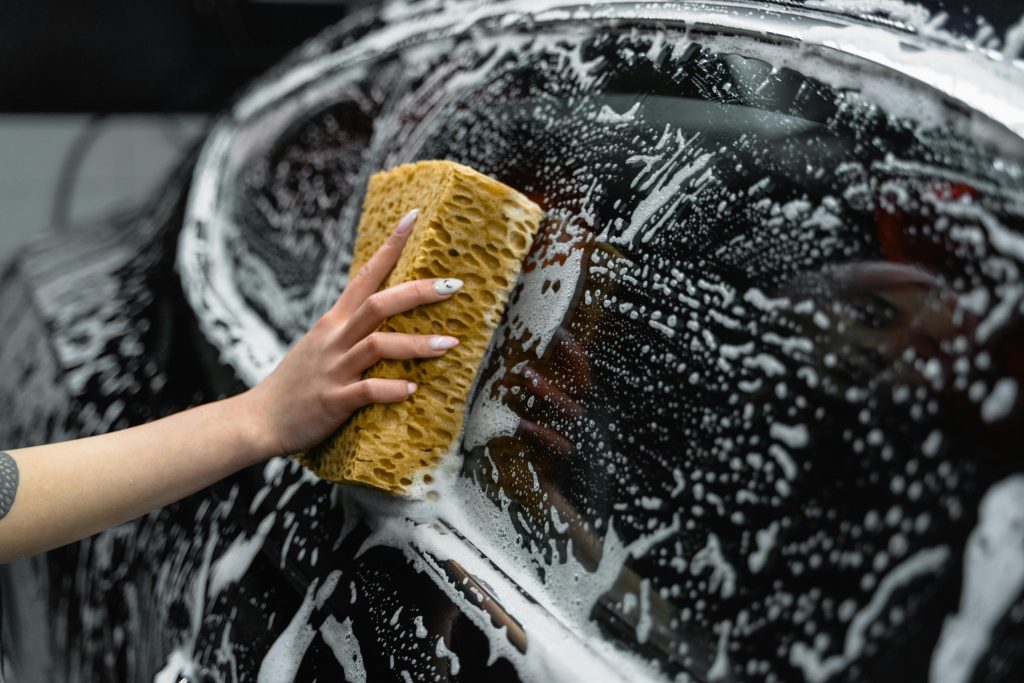
Dirt isn’t just ugly—it’s destructive. Road grime harbors corrosive chemicals that eat through paint and eventually metal. Use a high-quality exterior car cleaner designed to strip grime without harming the finish. Hand-washing beats drive-throughs; those brushes can scratch. A bucket, sponge, and hose get the job done right. If you live where roads get salted, frequent underbody rinses prove essential. Those automated car washes with underbody spray options suddenly seem worth the extra dollars. After washing comes protection. Waxing creates a barrier between your paint and environmental assaults. Modern synthetic sealants last longer than traditional waxes, though both work well when applied correctly. Work in small sections in the shade—direct sunlight dries products too quickly for proper bonding.
Dealing with Weather Extremes
Winter punishes unprepared vehicles. As temperatures drop below 45°F, regular tires harden, compromising traction. Winter-specific tires use rubber compounds that stay flexible in cold, dramatically improving grip. Battery capacity drops with temperature—a battery that barely starts your car in summer might fail completely in winter. Summer brings opposite challenges. Cooling systems work overtime, making coolant condition critical. Check hoses for soft spots or bulging—signs of impending failure. Park in shade when possible to protect both your interior and reduce cooling system demands when you restart.
Spring and fall offer perfect opportunities to address seasonal transition needs. Fall maintenance should prepare your vehicle for winter’s assault, while spring checks reveal winter damage needing repair. These twice-yearly comprehensive reviews catch developing issues before they strand you.
Conclusion
Your car represents both freedom and a significant investment. Treating maintenance as an ongoing relationship rather than an emergency response transforms ownership from stressful to satisfying. Each small attention you provide builds toward thousands of trouble-free miles.