

In the Philippines, goat meat—locally known as chevon—has long been a cherished component of traditional gatherings, particularly in Northern Luzon. Dishes like papaitan, kaldereta, and kinilaw na kambing are staples in celebratory feasts, embodying the rich culinary heritage of the region. However, as urbanization accelerates, many Filipinos have relocated to cities or abroad, leaving behind the comforting flavors of their homeland. This shift has sparked a desire to recreate those familiar tastes in modern, convenient forms.

Revitalizing Tradition: Central Luzon State University’s Role
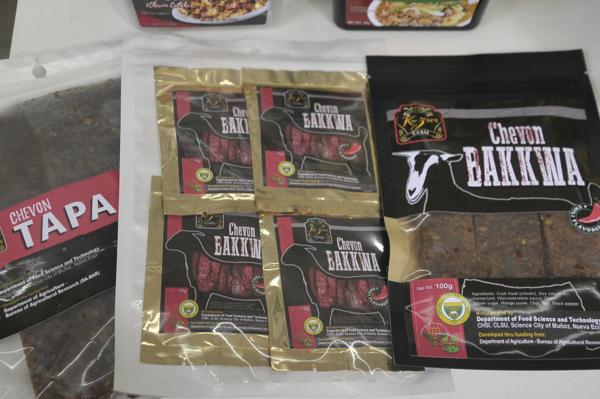
Recognizing the need to adapt traditional goat meat dishes for contemporary lifestyles, Central Luzon State University (CLSU) has embarked on a pioneering initiative. Through its Department of Food Science and Technology, CLSU has developed a range of innovative, ready-to-eat chevon products. These products aim to bridge the gap between tradition and modernity, offering consumers authentic flavors with the convenience of contemporary food formats.
Funded by the Department of Agriculture’s Bureau of Agricultural Research (DA-BAR) under the National Technology Commercialization Program, CLSU’s project focuses on enhancing the commercialization of chevon-based products. Dr. Alma De Leon, a key figure in this initiative, emphasizes the potential profitability of chevon through strategic product development, stating, “Together, we can claim na sa goat, may kita.”
Innovative Chevon Products
CLSU’s research has led to the creation of several chevon-based products that retain the essence of traditional dishes while catering to modern consumer needs:
- Instant Chevon Papaitan
A dehydrated version of the classic Ilocano stew, this product allows consumers to enjoy the dish by simply boiling the chevon bits for 10 minutes. The spices and seasonings are pre-incorporated, ensuring authentic flavor with minimal preparation. - Instant Kapukan
This product offers a convenient take on the traditional goat skin salad. The chevon skin is tenderized, dehydrated, and packaged with accompanying ingredients like calamansi juice, ginger, onions, bell peppers, and chili, providing a quick and flavorful meal option. - Chevon Jerky (Bak-Wa)
Inspired by Chinese-style jerky, this snack features ground chevon meat seasoned with salt and chili, marinated, dried, and coated with mango puree. Packaged in vacuum-sealed containers, it offers a shelf-stable, protein-rich snack that requires no cooking.
These products not only preserve the rich flavors of Filipino cuisine but also cater to the growing demand for convenient, health-conscious food options.
Health Benefits of Chevon
Goat meat is increasingly recognized for its nutritional advantages over more commonly consumed meats like pork, beef, and chicken. It is lower in total fat, saturated fat, and cholesterol, making it a heart-healthier choice. Additionally, chevon is rich in iron and protein, essential nutrients that support overall health. This aligns with the rising consumer trend toward health-conscious eating habits.
Supporting Local Agriculture
The development of chevon-based products also supports the local agricultural sector. In 2023, approximately 3.09 million goats were slaughtered for meat production in the Philippines, indicating a significant domestic industry. Efforts to improve goat breeding and production practices are ongoing, with initiatives like the importation of 1,520 breeder goats and 4,310 sheep to enhance local herds and meat production capacity .
CLSU’s involvement in goat production extends beyond product development. The university has been instrumental in improving goat raising practices through research and development initiatives, contributing to the growth and sustainability of the local goat industry.
Conclusion
CLSU’s innovative approach to transforming traditional chevon dishes into convenient, ready-to-eat products exemplifies the fusion of cultural heritage and modern culinary needs. By offering these products, they not only cater to the evolving preferences of consumers but also support the local agricultural sector and promote healthier eating habits. As the demand for convenient and nutritious food options continues to rise, initiatives like CLSU’s play a crucial role in shaping the future of Filipino cuisine.