


Introduction: A Growing Industry Amidst Challenges
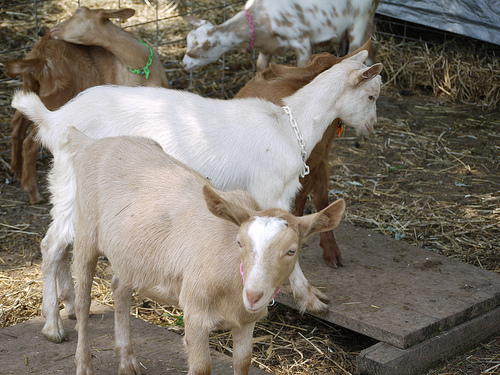
The goat industry in the Philippines has long been dominated by small-scale, backyard farmers. However, the landscape of the sector is gradually shifting, with increasing attention from commercial investors and government-backed initiatives aimed at boosting productivity and sustainability. While challenges such as low productivity, high mortality rates, and inadequate management practices have persisted, recent advancements offer a glimmer of hope for the sector’s future.
Current State of Goat Production in the Philippines
As of the most recent government data in 2024, the national goat population stood at approximately 3.4 million heads, a slight decrease compared to the previous year. Despite this decline, the demand for goat products, particularly goat meat (chevon), remains strong, driven by shifting consumer preferences toward healthier alternatives. Goat meat is recognized for being lower in saturated fat and cholesterol than beef, pork, and chicken, making it a sought-after option among health-conscious consumers.
In fact, the Philippine Statistics Authority (PSA) reports a steady increase in the market value of goat meat in recent years, with a 3.2% growth in 2024, reaching $146 million in value. This trend highlights the expanding potential of the goat meat sector, both in local and international markets.
Key Challenges in Goat Production
The Philippine goat industry faces several persistent challenges that hinder its full potential:
- High Slaughter Rate and Low Productivity: A major contributing factor to the country’s small goat population is the high slaughter rate coupled with low productivity among existing herds. Many farmers lack access to quality breeders and sufficient knowledge of best farming practices.
- Long Production Cycles: The average production cycle for goats in the Philippines can exceed nine months, which is longer than optimal. This delay significantly impacts productivity.
- Low Conception Rate and High Mortality: Historically, the conception rate for does (female goats) has been low at around 75%, while pre-weaning mortality has been as high as 25%. This problem is exacerbated by poor management practices and inadequate nutrition.
Government Initiatives to Improve Goat Farming
To address these challenges and boost productivity, the Philippine government, through the Department of Science and Technology’s Philippine Council for Agriculture, Aquatic and Natural Resources Research and Development (DOST-PCAARRD), has been implementing several science-based interventions since the early 2010s.
1. The GOAT Industry Strategic S&T Program (ISP)
The goal of the GOAT Industry Strategic S&T Program is to improve the overall productivity of the Philippine goat sector by introducing science-based interventions across key areas such as feeding, breeding, health management, and farm management. Key accomplishments of the program include:
- Farmer Livestock School on Goat Enterprise Management (FLS-GEM): This six-month farm-based training program equips farmers with practical skills in goat farming. Since its introduction, over 2,000 farmers have been trained across multiple regions, leading to increased productivity in participating areas.
- Artificial Insemination (AI) System: To improve the genetic quality of goat herds, the government introduced AI, which allows farmers to breed their goats with semen from high-quality, exotic breeds. This has led to an increase in average birth weights by 43% and slaughter weights by 80% in AI-assisted farms.
- Online and E-learning Modules: To reach farmers in geographically dispersed regions, the government has developed online training courses and materials to help farmers adopt improved goat farming practices remotely.
2. Improving Goat Health and Nutrition
To reduce the high mortality rate among kids and improve overall health, DOST-PCAARRD has also focused on addressing nutrition and parasite control. New forage varieties have been introduced, along with the development of herbal dewormers that are awaiting commercialization.
Additionally, pre-weaning supplements have been developed to improve the survival rate of kids, which has already shown a significant reduction in mortality from 25% to 4.5% in participating farms.
The Rise of Halal Goat Farming
An emerging market opportunity within the Philippine goat industry is the increasing demand for halal-certified products, particularly from the Muslim communities in Mindanao. With the global halal food market on the rise, there is a strong potential for the Philippines to expand its share in this niche market.
Halal Goat Production and Certification Protocols
To address this opportunity, the DOST-PCAARRD has partnered with local stakeholders to develop and refine halal assurance protocols for goat farming. These protocols focus on production, transportation, slaughtering, and marketing practices that comply with halal standards. Moreover, halal goat products, including chevon jerky, tocino (cured meat), and shredded corned chevon, have been developed and are awaiting commercialization.
Innovations in Goat Slaughtering and Meat Processing
A critical area of development within the industry has been improving goat slaughtering methods and meat processing techniques. DOST-PCAARRD has developed new Philippine National Standards (PNS) for the hygienic slaughtering of goats and the proper cutting of chevon. These standards are designed to ensure that goat meat products are of high quality, making the industry more competitive in the domestic and export markets.
Additionally, efforts to add value to goat meat have led to the development of various chevon-based products, including dehydrated bouillon, which are undergoing shelf-life studies and product labeling. These innovations will not only improve product availability but also reduce waste in the slaughtering process.
Future Prospects: A Promising Path Forward
The Philippine goat industry, while still facing significant challenges, holds immense promise due to the increasing demand for healthier, sustainable meat alternatives and the growing potential of the halal market. With continued government support, technological advancements, and increased farmer education, the industry is on track for gradual yet steady growth.
Conclusion
The Philippine goat industry is poised for transformation, thanks to innovations in breeding, feeding, and management practices. With initiatives such as AI breeding, improved health protocols, and the development of halal markets, the country’s goat farming sector can overcome existing challenges and cater to both local and international demands. As the industry evolves, it is expected to offer significant economic opportunities for farmers, entrepreneurs, and investors alike.