


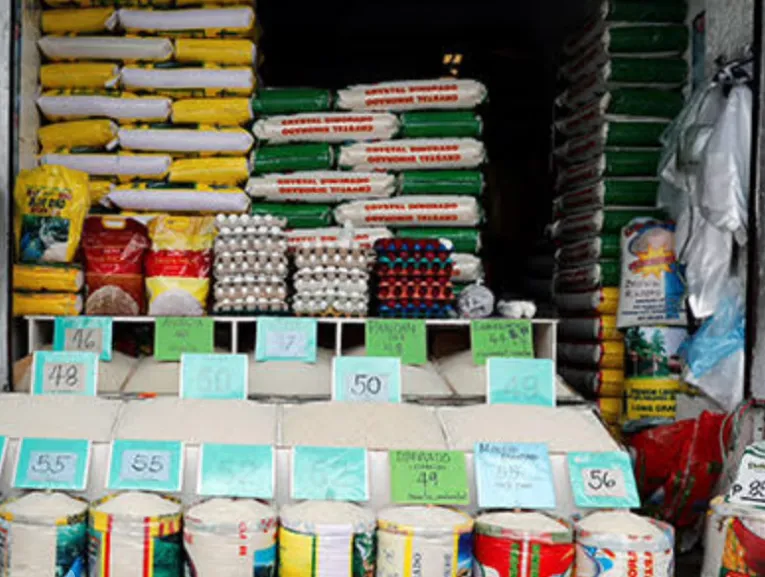
The Bigasan Business is one of the most stable and recession-resistant small enterprises in the Philippines. With rice remaining the country’s staple food, setting up your own bigasan can be a reliable source of income, especially in barangays, wet markets, and urban neighborhoods. This guide will walk you through everything you need to know to successfully start, manage, and grow a rice retailing business—from startup costs to legal requirements and marketing strategies.
Why Start a Bigasan Business?
Growing Demand for Rice in the Philippines
Rice is a daily necessity for most Filipino households. According to the Philippine Statistics Authority (PSA), rice consumption continues to increase due to population growth and urban expansion.
Low Risk and High Market Stability
Unlike seasonal products, rice has consistent year-round demand. A Bigasan Business offers a steady income with manageable inventory risk.
Scalable Business Model
You can start small (retailing in your neighborhood) and scale up to a wholesaling operation or franchised rice store.
Step-by-Step Guide to Starting a Bigasan Business
1. Conduct a Feasibility Study
- Research the local rice consumption
- Identify competitors and their pricing
- Choose a location with high foot traffic
- Determine your target customers (retail or bulk buyers)
2. Secure Capital for Your Bigasan Business
Initial capital varies based on scale:
- Small-scale: ₱50,000–₱100,000
- Medium-scale: ₱150,000–₱250,000
- Large-scale or franchised: ₱300,000 and up
Budget for:
- Initial rice inventory (25–50 cavans)
- Store renovation or stall setup
- Weighing scale and sacks
- Business permits and licenses
Legal Requirements for a Bigasan Business
Business Registration:
- DTI Business Name Registration
- Barangay Clearance
- Mayor’s Permit
- BIR TIN and Registration for receipts
Additional Permits:
- NFA (National Food Authority) License
- Sanitary Permit (if operating near food areas)
Tip: NFA now offers online registration and renewal for small-scale retailers.
Sourcing Rice for Your Bigasan Business
Where to Buy Wholesale Rice
- NFA-accredited suppliers
- Local rice millers and cooperatives
- Direct purchase from provinces like Nueva Ecija, Isabela, or Pangasinan
Choosing Rice Varieties
Offer multiple varieties based on customer preference:
- Well-milled rice (regular)
- Premium rice (Dinorado, Sinandomeng)
- Special rice (Jasmine, Organic)
- NFA rice (for low-income buyers)
Ideal Location and Store Setup for a Bigasan Business
Strategic Locations
- Inside wet markets
- Near tricycle or jeepney terminals
- In front of sari-sari stores
- At home with visible signage
Store Essentials
- Weighing scale (digital or manual)
- Rice dispensers or large containers
- Posters or labels for rice types and prices
- Tarpaulin signage
Marketing Tips to Grow Your Bigasan Business
Use Local Facebook Groups
Post daily price updates, delivery offers, and bulk deals in community FB groups.
Loyalty Cards and Bundles
Offer free rice after a number of purchases or bundle with grocery items.
Free Delivery Service
Use motorcycle delivery to attract customers who buy in volume.
Partner with E-commerce
List your rice products on Shopee, Lazada, or Foodpanda for local delivery.
Common Challenges in a Bigasan Business (and How to Solve Them)
Price Fluctuations
Solution: Maintain good supplier relationships and buy in bulk when prices are low.
Spoilage or Insects
Solution: Store rice in cool, dry areas with tight-sealed containers. Use bay leaves or garlic as natural repellents.
Credit or Utang
Solution: Implement a strict payment system. Use customer cards or apps to track purchases.
Profit Potential of a Bigasan Business
- Average profit per cavan: ₱100–₱200
- Monthly sales (small-scale): 50–100 cavans
- Monthly net income: ₱5,000–₱20,000 (starting)
- Higher profit margins possible when scaling to wholesale or delivery
Is Franchising a Bigasan Business Worth It?
Franchises like Grainsmart, Bigasan ni Ate, or Pinoy Bigas Express offer turnkey solutions:
- Complete training
- Brand recognition
- Reliable supply chain
Downside: Higher startup cost and royalties.
Franchising is ideal if you want to skip setup hassles and leverage a ready-made brand.
Final Thoughts: Is a Bigasan Business Right for You?
If you want a business with consistent demand, manageable risks, and scalable potential, the Bigasan Business is one of the best ventures in the Philippines. Whether you start small or go big, rice retailing can provide daily income and long-term stability.
Start with a strong plan, build relationships with reliable suppliers, and keep your operations lean and customer-focused.