


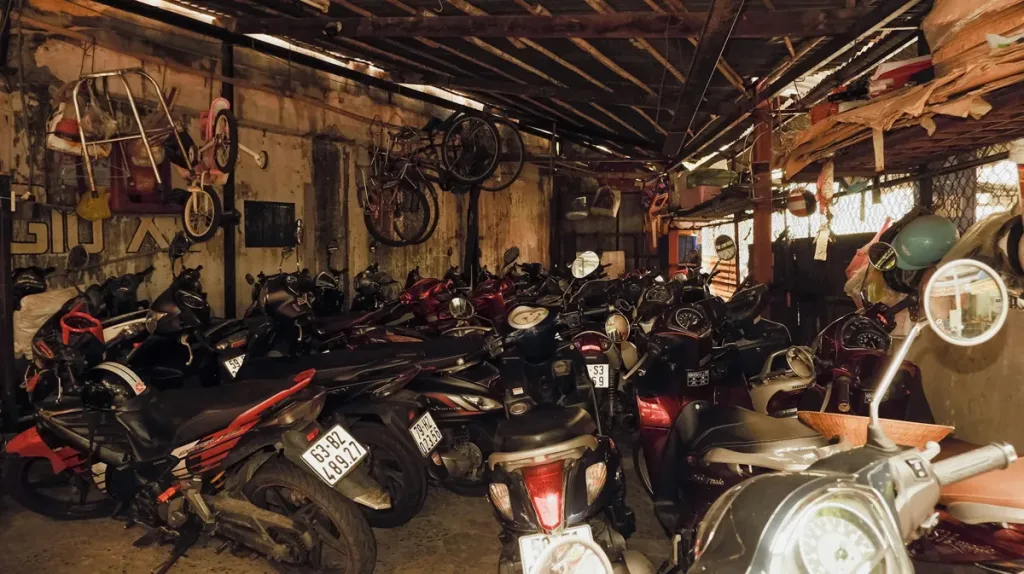
Motorcycles and bicycles are essential modes of transportation, especially in developing cities and rural areas where daily commutes rely heavily on two wheels. With millions of motorbikes and bikes on the road, opening a motorcycle or bicycle repair shop can be one of the most practical small business ideas today.
Whether you’re a mechanic, a hobbyist, or an entrepreneur looking for a profitable venture, this guide will walk you through the complete process—from planning, setup, capital investment, tools, to potential earnings.
Step 1: Understand the Market and Demand
Before investing any money, assess your local demand:
- Are there many motorcycles or bicycles in your area?
- Is there a lack of reliable repair shops nearby?
- Are people willing to pay for faster, more reliable repair services?
Pro tip: Locations near highways, universities, or residential communities with heavy motorbike or bicycle use often have steady customer flow.
Step 2: Choose Your Business Type and Services
You can specialize in motorcycle repair, bicycle repair, or a hybrid shop offering both.
List your main services:
| Service Type | Example Services |
|---|---|
| Motorcycle Repair | Tune-up, change oil, engine repair, brake & clutch, tire vulcanizing |
| Bicycle Repair | Flat tire fix, gear & brake adjustment, wheel alignment, customization |
| Add-on Sales | Helmets, lubricants, tires, accessories, spare parts |
Offering both repair and retail items increases your daily profit margins.
Step 3: Register and Secure Permits
To operate legally, complete these steps:
- Register your business name – via DTI (for sole proprietors) or SEC (for partnership/corporation).
- Barangay Clearance – from the local barangay office.
- Mayor’s Business Permit – from your city or municipality.
- BIR Registration (Form 1901/1903) – for tax purposes.
- Optional: DTI product standards certificate if selling branded parts.
Tip: You can register online through https://bnrs.dti.gov.ph.
Step 4: Find the Right Location for Your Motorcycle or Bicycle Repair Shop
Ideal locations include:
- Roadsides or near gas stations
- Inside subdivisions or near tricycle/bike terminals
- Near schools or universities
Make sure the location allows for:
- Vehicle entry & parking space
- Tools storage
- Drainage and waste oil disposal
Recommended Space: 20–30 square meters for a starter shop.
Step 5: Prepare Tools and Equipment
Here’s a list of basic tools to start your shop:
| Equipment | Estimated Cost (₱) |
|---|---|
| Motorcycle lift or jack | 10,000 – 15,000 |
| Air compressor | 7,000 – 10,000 |
| Wrenches, sockets, screwdrivers | 5,000 – 8,000 |
| Vulcanizing tools & patch kits | 3,000 – 5,000 |
| Oil drain pan, funnel, rags | 1,000 – 2,000 |
| Spare parts & accessories inventory | 10,000 – 20,000 |
| Signage & basic lighting | 2,000 – 3,000 |
Initial Tool Investment: ₱40,000 – ₱60,000
Step 6: Estimate Capital & Startup Costs
| Expense Category | Estimated Cost (₱) |
|---|---|
| Tools and Equipment | 40,000 – 60,000 |
| Rent & Renovation | 10,000 – 20,000 |
| Business Permits & Licenses | 3,000 – 5,000 |
| Initial Spare Parts Stock | 10,000 – 20,000 |
| Marketing & Signage | 3,000 – 5,000 |
| Total Startup Capital | ₱60,000 – ₱110,000 |
You can start small by focusing only on basic repair services, then expand later to tire vulcanizing or parts selling.
Step 7: Projected Income and ROI (Return on Investment)
| Income Source | Daily Estimate | Monthly Estimate |
|---|---|---|
| Repairs & Tune-ups | ₱1,000 – ₱3,000 | ₱30,000 – ₱90,000 |
| Parts & Accessories Sales | ₱500 – ₱1,000 | ₱15,000 – ₱30,000 |
| Total Monthly Gross | — | ₱45,000 – ₱120,000 |
Estimated ROI: 6–10 months depending on location, service rates, and marketing effort.
Step 8: Hire and Train Skilled Mechanics
If you’re not a mechanic yourself, hire:
- 1–2 experienced mechanics for motorcycles or bicycles
- 1 apprentice for light tasks and cleaning
Daily pay rate: ₱500–₱800 + commission for major repairs.
Encourage training and certifications through TESDA’s Automotive Servicing or Bicycle Mechanics courses.
Step 9: Promote Your Motorcycle or Bicycle Repair Shop
Marketing doesn’t have to be expensive. Try:
- Creating a Facebook Page with before-and-after photos
- Joining local Facebook Groups for riders or bikers
- Offering referral discounts
- Listing your shop on Google Maps (Google Business Profile)
- Sponsoring small motorbike/bike community rides
Use short video reels showing your repair process to attract customers.
Step 10: Maintain Quality and Trust
- Always give honest assessments (avoid overcharging).
- Keep spare parts authentic and well-sourced.
- Build long-term relationships with riders and cycling enthusiasts.
- Offer loyalty cards or free checkups for repeat customers.
Building trust = steady income in the repair business.
Tips for Success
- Offer quick service and affordable prices.
- Keep spare parts organized and labeled.
- Maintain a clean, well-lit workspace.
- Invest in online visibility — Facebook, TikTok, and Google My Business.
- Upsell products like oils, chains, and accessories.
Sample Profit Computation
If you serve 10 customers daily with an average repair charge of ₱300:
₱300 × 10 customers × 30 days = ₱90,000 gross monthly
Minus ₱25,000 (labor, rent, parts) → ₱65,000 potential monthly net.
Frequently Asked Questions (FAQ)
Q1: How much capital is needed to start a small motorcycle or bicycle repair shop?
A: Around ₱60,000–₱110,000 including tools, permits, and initial spare parts.
Q2: Do I need to be a certified mechanic?
A: Not necessarily, but having training or experience helps. You can hire certified mechanics or take short TESDA courses.
Q3: Is this business profitable?
A: Yes, because demand is consistent. Most riders need monthly tune-ups and quick repairs.
Q4: Can I start this business at home?
A: Yes, if you have enough space (20–30 sqm) and follow safety and waste disposal rules.
Q5: What are the most common services customers ask for?
A: Oil change, brake repair, tire replacement, chain adjustment, tune-ups, and vulcanizing.