


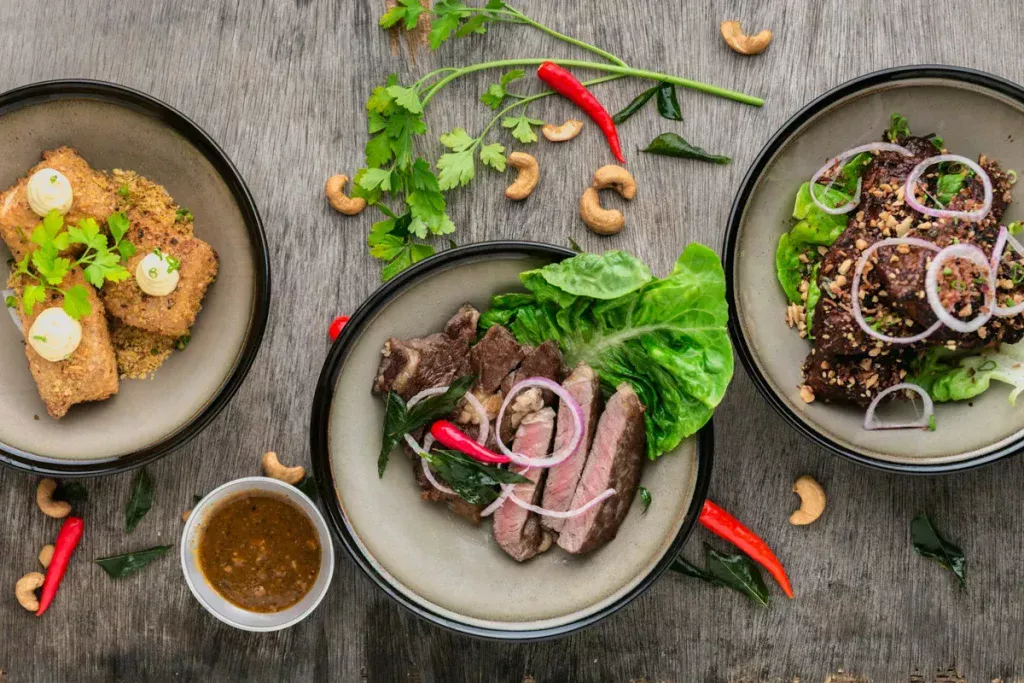
The food subscription box business in the Philippines has quickly moved from being a niche trend to one of the fastest-growing industries. Inspired by global giants like HelloFresh, Green Chef and Blue Apron, and fueled by local demand for convenience, variety, and health-conscious options, Filipinos are embracing this business model like never before.
Google Trends data reveals a consistent rise in searches for “food subscription boxes” in the U.S., with similar growth patterns emerging across Southeast Asia—including the Philippines. Locally, the popularity of online shopping, food delivery, and digital payment platforms is making it easier for entrepreneurs to build subscription-based businesses that thrive.
This article explores both sides of the opportunity:
- Part 1: The market trends driving the rise of food subscription boxes in the Philippines.
- Part 2: A detailed step-by-step guide on how to start your own food subscription box business and turn it into a profitable venture in 2025.
Part 1: Food Subscription Box Trends in the Philippines
1. Convenience for Busy Urban Lifestyles
Metro Manila traffic is notorious. With long work hours and time-consuming commutes, more Filipinos prefer meal kits, ready-to-cook packs, or curated snack boxes delivered to their doorstep. A food subscription box in the Philippines solves these problems by saving time and reducing the stress of daily meal planning—making it a strong food delivery business idea for SMEs.
2. Rising Health and Wellness Awareness
Health-focused boxes—keto-friendly, plant-based, calorie-counted, or sugar-free—are capturing the interest of fitness-conscious Filipinos. This reflects a global wellness wave but is customized for local needs.
Many SMEs are already working with nutritionists and local farmers to create balanced, portion-controlled meals, tapping into a growing health-conscious middle class. These healthy food subscription boxes in the Philippines are part of a bigger subscription box trend in 2025.
3. The “Element of Surprise” Factor
Filipinos love variety and excitement. Subscription boxes that rotate menus or snacks each month feel like receiving a gift box. This keeps customers curious and encourages long-term loyalty.
Examples include:
- A rotating dessert box featuring Filipino sweets.
- Regional food boxes showcasing Bicol Express kits, Ilocano empanadas, or Mindanao delicacies.
This kind of subscription-based business model in the Philippines creates emotional attachment and repeat sales.
4. Digital-First Lifestyles
E-commerce adoption in the Philippines continues to surge. From Shopee and Lazada to independent Shopify stores, Filipinos are more comfortable ordering food online than ever before. Add the convenience of FoodPanda, GrabExpress and Lalamove delivery, and subscription models are now easier to scale nationwide.
Mobile apps and websites also allow subscribers to manage their orders, pause subscriptions, or customize preferences with just a few taps. For SMEs, this creates opportunities to integrate small business automation tools in the Philippines and scale operations efficiently.
5. Global Influence Meets Local Flavor
The Philippines has the unique opportunity to localize this global business model. Unlike foreign subscription services, Filipino entrepreneurs can design offerings rooted in culture:
- Pasalubong-Inspired Boxes: Perfect for OFWs or balikbayan families.
- Regional Meal Kits: Bringing provincial delicacies to Metro Manila homes.
- Budget-Friendly Student Boxes: Affordable yet fun snack subscriptions.
This cultural edge makes the subscription box business in the Philippines especially rich for SMEs targeting both local and overseas markets.
Part 2: Step-by-Step Guide to Starting a Food Subscription Box Business in the Philippines
Now that we’ve seen the market potential, let’s dive into the practical steps to launch your own food subscription box business in the Philippines.
Step 1: Choose Your Niche
A subscription box works best when it speaks to a specific audience. Popular niches include:
- Healthy meals for fitness-conscious professionals.
- Snack boxes for students.
- Pasalubong-inspired food kits for balikbayans.
- Regional specialties for adventurous eaters.
Clear subscription box niche ideas give SMEs a competitive edge.
Step 2: Research the Market
Ask key questions before you start:
- Who is your target audience?
- How much are they willing to pay monthly?
- Who are your competitors and what makes you different?
Food subscription box pricing in the Philippines typically varies based on the contents. By adopting a subscription-based business model, entrepreneurs can create long-term, recurring revenue.
Step 3: Build Supplier Partnerships
Reliable sourcing ensures consistency. Work with:
- Local farmers for fresh ingredients.
- Bakeries and snack makers for curated boxes.
- Wholesalers for scalable sourcing.
This also creates a sustainable supply chain while supporting the local economy.
Step 4: Secure Permits and Food Safety Certifications
A legitimate business builds trust. You’ll need:
- DTI or SEC Registration
- Mayor’s Permit
- BIR Registration
- FDA License to Operate (LTO) if processing or repacking food
- Sanitary permits and health certificates
Following food business permits in the Philippines and meeting food safety compliance ensures credibility and avoids penalties.
Step 5: Design Your Subscription Box and Packaging
Your packaging should combine functionality and branding. Consider:
- Eco-friendly packaging.
- Attractive unboxing design.
- Recipe cards or QR codes for cooking guides.
Packaging plays a big role in creating a memorable food subscription box business in the Philippines.
Step 6: Organize Operations and Delivery
Start small with a home-based or cloud kitchen. For logistics, use trusted couriers like FoodPanda, GrabExpress, Lalamove, or Transportify—or set up your own riders.
Offer flexible subscription plans (weekly, bi-weekly, or monthly) to give customers options.
Step 7: Create a Marketing Plan
Effective marketing makes or breaks a subscription box business. Strategies include:
- Social media campaigns on Facebook, TikTok, and Instagram.
- Collaborations with food vloggers and influencers.
- Google My Business for local search visibility.
- SEO blogs about healthy eating, Filipino food, or meal planning.
- Referral programs and loyalty rewards.
By leveraging subscription box marketing in the Philippines, SMEs can build brand recognition and recurring income streams.
Step 8: Set Subscription Pricing
Use cost-plus pricing (cost + margin). Offer multiple tiers:
- Student or budget box.
- Premium meal kit box.
- Corporate subscription box.
Discounts for 3–6 month prepayments encourage loyalty and reduce churn.
Step 9: Launch and Test
Start with 20–50 trial customers. Collect feedback on packaging, taste, delivery, and overall experience. Improve continuously before scaling.
Step 10: Scale Your Subscription Box Business
Once stable, you can:
- Expand into seasonal or themed boxes.
- Partner with corporations for employee wellness subscriptions.
- Offer nationwide delivery.
- Automate with subscription SaaS platforms like Chargebee or Zoho Subscriptions.
Challenges to Consider
Even with growth opportunities, SMEs must address:
- Logistics Costs: Partner with couriers to keep margins healthy.
- Food Safety: Maintain compliance to build long-term trust.
- Customer Retention: Offer variety, loyalty rewards, and flexibility to keep subscribers engaged.
Final Thoughts
The food subscription box business in the Philippines is no longer just a fad—it’s a mainstream model gaining momentum in 2025. With demand for convenience, healthier food, and personalized culinary experiences, this industry offers SMEs a strong path to recurring income and business growth.
By combining market insights, proper permits, smart marketing, and scalable systems, entrepreneurs can build a subscription box brand that thrives locally and even reaches Filipino communities abroad.
For aspiring business owners, the time to start is now—box up your idea and deliver it straight to eager Filipino households.
This article is incredibly helpful for anyone considering starting a food subscription box business in the Philippines. The insights into local trends and step-by-step guide are practical and inspiring!