


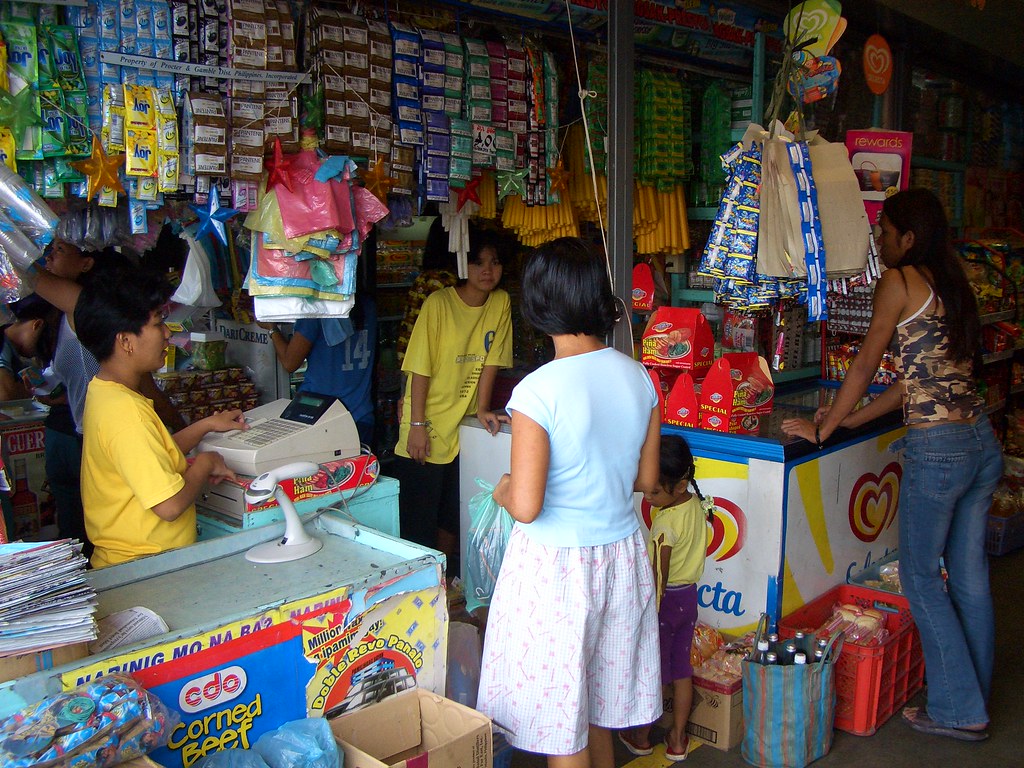
A sari-sari store is one of the most common and profitable small businesses in the Philippines. It serves as a go-to shop for daily necessities, offering convenience to local communities. Despite the rise of supermarkets and convenience stores, sari-sari stores remain popular due to their accessibility and affordability.
If you’re planning to start your own sari-sari store business, this guide will provide you with all the necessary details, including initial setup, equipment, costs, legal requirements, and profit strategies.
Why Start a Sari-Sari Store Business?
Advantages:
✔️ Low Capital Requirement – You can start with as little as ₱10,000–₱50,000.
✔️ Flexible Business Model – Operate from home and adjust store hours based on demand.
✔️ High Demand – Filipinos rely on sari-sari stores for daily essentials.
✔️ Quick Returns – Fast-moving products mean quick profit turnaround.
✔️ Easy to Manage – No special skills required, just basic accounting and inventory management.
Challenges:
❌ High Competition – Many sari-sari stores exist within the same community.
❌ Credit (Utang) Issues – Customers may delay payments, affecting cash flow.
❌ Price Competition with Supermarkets – Wholesale stores offer lower prices.
Market Trends and Opportunities
Understanding current trends will give your store an edge:
- Digital Payments on the Rise (GCash, Maya, QR Payments)
- Consumers Prefer Sachet Sizes for affordability
- Health-Conscious Buying (e.g., sugar-free, gluten-free)
- Online Barangay Groups influence buying patterns
Step-by-Step Guide to Starting a Sari-Sari Store
1. Business Planning
Before investing, research the following:
- Location Feasibility – Choose a high-traffic area (near schools, tricycle terminals, residential areas).
- Target Market – Focus on what products are most needed in your community.
- Competitor Analysis – Check pricing strategies and stock availability of nearby sari-sari stores.
2. Register Your Business (Legal Requirements)
To operate legally, comply with the following in registering your business:
✔️ Barangay Business Clearance – ₱500–₱1,000
✔️ Mayor’s Business Permit – ₱1,500–₱3,000
✔️ DTI Business Name Registration – ₱500–₱2,000
✔️ BIR Registration (Form 1901, 0605, 2303) – ₱500 annual fee + Official Receipts
✔️ SSS, PhilHealth, and Pag-IBIG Registration (if hiring employees)
Store Layout and Setup Tips
- Use clear shelves for high visibility
- Place fast-moving items near the cashier
- Kid’s favorites (candies, toys) at eye level
- Cold items (soda, ice cream) should be in accessible areas
3. Initial Setup and Equipment
Here’s a breakdown of the essential equipment and their estimated costs:
| Equipment/Materials | Estimated Cost (₱) |
|---|---|
| Wooden Shelves/Racks | 3,000–5,000 |
| Display Counter | 3,000–7,000 |
| Storage Boxes & Containers | 1,000–3,000 |
| Refrigerator (for cold drinks) | 10,000–15,000 |
| Weighing Scale (for rice/sugar) | 500–1,500 |
| Cash Box or Register | 1,000–3,000 |
| Signage | 1,000–3,000 |
| Initial Stock (Groceries) | 10,000–50,000 |
| Miscellaneous (permits, store design, lighting) | 3,000–10,000 |
Estimated Initial Investment: ₱30,000–₱100,000 (depending on store size and product variety)
What to Sell in Your Sari-Sari Store
A well-stocked store attracts more customers. Here are best-selling products:
Daily Essentials:
Rice, sugar, salt, soy sauce, cooking oil, vinegar, coffee, powdered milk, creamer, instant noodles, canned goods (sardines, corned beef, tuna, meatloaf, luncheon meat), bread, biscuits, snacks, chips, candies, chocolates, soft drinks, juice, mineral water, eggs, frozen meats (hotdogs, longganisa, tocino, tapa), and ice cubes.
Personal Care & Household Items:
Shampoo, conditioner, toothpaste, toothbrushes, bath soap, face wash, body lotion, deodorant, baby powder, petroleum jelly, cologne, feminine hygiene products, laundry detergent, fabric softener, dishwashing liquid, scrubbing pads, toilet cleaner, floor wax, insect repellent, and mosquito coils.
School and Office Supplies:
Ballpens, pencils, erasers, sharpeners, notebooks, bond paper, envelopes, folders, tape, glue, staplers, scissors, correction fluid, and crayons.
Prepaid Loads & Digital Services:
Globe, Smart, DITO prepaid loads, mobile data load, e-loading services, bills payment services (Meralco, water bills, internet), GCash/PayaMaya cash-ins, and SIM cards.
Seasonal & Specialty Products:
Christmas items (ham, queso de bola, holiday decorations), School supplies (paper, ballpens, notebooks) at the start of school year, Summer essentials (ice candies, halo-halo ingredients, bottled cold drinks), All Saints’ Day (candles, matches), and Rainy season (umbrella, raincoats, rubber boots).
Miscellaneous:
Batteries, light bulbs, candles, lighters, matches, sewing kits, basic medicines (paracetamol, vitamins, cough syrup), pet food, charcoal, and small kitchen essentials (plastic cups, disposable plates, paper towels).
Pricing and Profit Margins
Average Profit Margin: 10%–30% per item
Example: If you buy soft drinks for ₱18, sell them at ₱22–₱25. Small markups accumulate over multiple sales.
Bulk items (rice, cooking oil) have lower margins (5–10%) but attract more customers.
High-margin items include personal care products and prepaid loads.
Tip: Keep a price list visible to prevent price disputes.
Managing and Growing Your Sari-Sari Store
1. Sample Daily Routine
- 6:00 AM: Restocking & prep
- 7:00 AM – 10:00 AM: Morning rush (school/work)
- 12:00 PM – 2:00 PM: Midday peak
- 4:00 PM – 8:00 PM: After-work crowd
- 9:00 PM: Closing, cash counting, cleaning
2. Inventory Management
✔️ Monitor fast-moving and slow-moving products.
✔️ Avoid overstocking perishable goods.
✔️ Use a simple POS system or inventory notebook.
3. Avoiding Common Pitfalls
❌ Too much “utang” – Implement a “no credit” policy or set a credit limit.
❌ Mixing personal and business money – Keep separate cash boxes for store funds.
❌ Lack of bookkeeping – Record all transactions to track profits and losses.
4. Expanding Your Business
Add mobile e-loading services (extra ₱5–₱10 per transaction)
Sell ice, cold drinks, and ready-to-eat snacks
Offer online payment services (Gcash, Maya)
Consider wholesaling to other sari-sari stores in the area
Customer Relationship Tips
- Greet regulars by name
- Offer occasional freebies or discounts
- Keep the store clean and well-lit
- Be consistent with pricing and product availability
Marketing Strategies
- Join local Facebook groups for promos
- Offer “Buy 5, Get 1 Free” or bundle deals
- Partner with delivery riders or resellers
- Use festive signage and seasonal themes
Financial Forecast and ROI Sample
Monthly Sample Forecast:
- Daily Sales: ₱5,000
- Monthly Revenue: ₱150,000
- Expenses (stock, utilities, rent): ₱120,000
- Net Profit: ₱30,000/month
Estimated ROI: Within 3 to 6 months depending on sales volume and efficiency
Digital Tools and POS Systems
- Free POS apps: Loyverse, Kasir
- Inventory tracking: Google Sheets or Excel
- Mobile wallets: GCash, Maya QR payments
- Load Selling Apps: LoadCentral, Coins.ph
Sustainable Practices
- Sell in paper bags or offer reusable bags
- Encourage customers to bring containers
- Reduce plastic packaging
- Participate in barangay clean-up drives
Risk Management and Emergency Planning
- Keep 2-3 weeks of backup stock
- Have a small emergency fund
- Adjust pricing with inflation carefully
- Use LED lights and backup power (if affordable)
Success Stories: Real-Life Inspiration
Aling Marites from Laguna: Started with ₱10,000 capital. Now runs 3 sari-sari stores and one carinderia.
Mang Lito in Quezon City: Offers load and bills payment. Earns ₱20,000+ monthly, plans to open a mini-grocery.
Frequently Asked Questions
Is a sari-sari store profitable in the Philippines?
Yes, a sari-sari store can be highly profitable when properly managed. According to entrepreneur and business speaker Paulo Tibig, sari-sari stores remain one of the most resilient small business models because they meet the daily needs of Filipinos. Profitability depends on good location, stock variety, and proper financial management.
Can I start a sari-sari store with ₱10,000 capital?
Financial planner Marvin Germo emphasizes that ₱10,000 is a minimal starting capital. While it’s possible to launch a small-scale sari-sari store with that amount, expect limited inventory and basic setup. For a more competitive store, a higher initial investment is recommended.
What exactly is a sari-sari store business?
A sari-sari store is a micro-retail outlet commonly found in residential areas in the Philippines. It sells everyday necessities in small quantities, often operating within a portion of the owner’s home. These stores play a vital role in providing convenience and accessibility to neighborhood consumers.
How can I be a successful sari-sari store owner?
Paulo Tibig advises that success in a sari-sari store business comes from proper inventory control, friendly customer service, cleanliness, and adapting to customer demands. Offering consistent store hours and not relying too heavily on “lista” or credit are also key success factors.
Do I need to register my sari-sari store with the BIR?
Yes, even small businesses like sari-sari stores must register with the Bureau of Internal Revenue (BIR). Registration legitimizes your business and ensures compliance with tax regulations, helping avoid penalties and allowing you to access loans or government support programs in the future.
How much does a sari-sari store business permit cost?
Permit costs vary depending on location, but on average, expect to pay around ₱1,000 to ₱5,000 for the combined fees of barangay clearance, DTI registration, and mayor’s permit. Additional fees may apply for fire and sanitary permits.
How much capital is ideal to start a sari-sari store in the Philippines?
An ideal starting capital for a more stable sari-sari store ranges from ₱20,000 to ₱50,000. This allows for adequate inventory, initial permits, basic shelving, and a clean, organized store setup that can attract daily foot traffic.
Am I considered self-employed if I own a sari-sari store?
Yes. Owning and running a sari-sari store qualifies you as self-employed under Philippine labor and tax laws. You operate independently, manage your own finances, and are responsible for your business growth and compliance.
What are the most profitable small businesses in the Philippines aside from sari-sari stores?
Some of the most profitable small businesses include food carts, mobile load stations, online selling, home-based baking, and laundry shops. These ventures, like sari-sari stores, cater to recurring and essential customer needs.
Do small business owners need to register with the BIR?
Yes, all businesses, regardless of size or income, must register with the BIR. Even small sari-sari stores must comply with this regulation to issue receipts, file taxes, and operate legally.
Where is the best place to put up a sari-sari store?
The best location for a sari-sari store is in densely populated residential communities, near schools, terminals, or tricycle stations. Avoid setting up next to large convenience stores unless you have a unique selling point or competitive pricing.
What are the common challenges of running a sari-sari store?
Some of the top challenges include:
Low profit margins due to stiff competition
Unpaid debts from regular customers
Perishable goods going to waste
Difficulty managing inventory manually
Limited capital for expansion
What is a barangay permit for small businesses?
A barangay permit, also known as barangay clearance, is a document issued by your local barangay office allowing you to operate a business within their jurisdiction. It is one of the basic requirements before applying for a business permit from the municipality or city.
How can I attract more customers to my sari-sari store?
To attract more customers:
Offer a wide selection of fast-moving goods
Keep your store clean, well-lit, and organized
Display promo items at eye level
Avoid frequent out-of-stock situations
Provide friendly and personalized service
Offer small rewards or loyalty incentives for regulars
What are the disadvantages of starting a sari-sari store?
Some disadvantages include:
Long working hours with minimal staff
Vulnerability to price wars with competitors
Limited scalability unless you upgrade to a mini-grocery
High dependence on cash sales and slow turnover for some products
Difficulty balancing credit (utang) and cash flow
Conclusion: Is a Sari-Sari Store a Good Business to start?
Yes! A sari-sari store remains a profitable and sustainable small business, especially in residential areas. By implementing smart inventory management, competitive pricing, and good customer service, you can generate steady income and expand your store into a bigger retail business in the future.
Are you ready to start your own sari-sari store? Share your thoughts below!
sari sari store is very beautiful business plan .kailangan ng big capital.
very informative tips…i was really inspired…just waiting for a good timing…i'll cross the bridge to get in there thanks..
guys dili nako kabalo himo business plan
hello… just asking lang po okay lang po ba na iclose ang business permit ko sa store at mag-register for computer shop nainspect po kasi kami last friday ng munispyo namin here in binangonan.. kahit po ba sa bahay lang namin ang shop need po talaga ng business permit di naman po kumikita ang store namin sa dami na din ng kacompete na alang permit same din po ng shop ilan na po kami na meron dito at sa pagkakaalam ko lahat po kami alang permit . sa barangay lang po ang permit ko sa shop. sana naman po ay magkaroon ng exemption or mababang fees pagkasa barangay at home base lang po . thanks
it is big help for me,i want to discover more ideas for this kind of business.thanks.
i wan to know if you have a package deal for a sari sari store, with diffrent deals and cost of each package deal. let me know who to contact, thanks my email is victorguna@yahoo.com thanks
another idea…a good start…
Tama ka boy sa pagtanong mo..baka ibig sabihin halimbawa sa isang linggo let say 40,000 ang sales-turn over mo 40% from that….mamimili ka na naman base sa sinasabi nyang 40%….atmga 16,000 pesos ang worth na ipamimili mo..ganun cguro.
Thanks for the post.I got some tips!
if they do not sell alcohol and cigarettes it's ok.
why do some brgy allow brgy permit only with sari sari stores? no dti/mayors permit na
Thank you i learned this a lot specially how to start sari sari store
Ask lang po what do you mean by 40% weekly purchase for 3 weeks?
try nyo mag business ng new oil engine conditioner 150 srp may tubo kayo 70 pesos agad isang piraso pwede sa motor o sasakyan.
1.mabilis ibenta dahil maraming sasakyan
2.murang halaga batrya lang ang 150
3.epektibo at mabisang produkto
4.pwedeng bitbitin kahit saan magpunta dahil maliit lang ang packaging
5.walang expiration
6.maliit ang puhunan
7.online selling masmaganda
8.kahit nasa bahay ka kumikita ka.
9.full time o part time
10.walang age limit
tested and proven sa TESDA MMDA DENR GERMANY VOLKSWAGEN
Thanks for the good idea,its helpful!!
Thank u so much for this guide and tips, i'll have this sari sari store someday..
Thank you for this information sobrang naka tulong to sakin para sa business na gagawin ko
Thank u it helps me. To learn more
now i will plan to build my own business someday..it start in this.
Thank you for that advice, you are so right! You can't win having a small business if you are surrounded by Relatives and Friends and if you are not strong enough to say NO to credits upon credits. As sad as it is, that is a fact. How do you avoid friends and relatives wanting credits on a daily basis – You cannot ! the only way is not to have that business. And if you own any other type of business, Do not make it known that you are the owner.
Some things never change in our culture.
Saan po ba may guide kung paano mag-keep ng ledger for saro-sari store?
pm me sir.. how to start a distributor in aim global..so i can assist you po
so i can discuss about all aim global po
TRy nyo po ang leveraging system na business TULAD nang AIM GLOBAL
PM ME How to start this business
add me .www.facebook.com/aimtedericalanes
Ggawin ko ito balang arw
Thanks for everything…someday i will try one of your suggestion if i have the capital to put up a business.
nice tips,thanks a lot
I have not checked in here for a while as I thought it was getting boring, but the last few posts are good quality so I guess I’ll add you back to my everyday bloglist. You deserve it my friend 🙂
thank u for the knowledge …it help me a lot.
Thank you so much for sharing this knwledge!
if i plan to be a distributor of these items mentioned above, where i can find it? what company i should go first? thank you
thank you for this. additional learning for fresh enter in entrepreneurship
do u know how much it will cost to get your sarisari store licensed?
i like betong..congratiolation..