


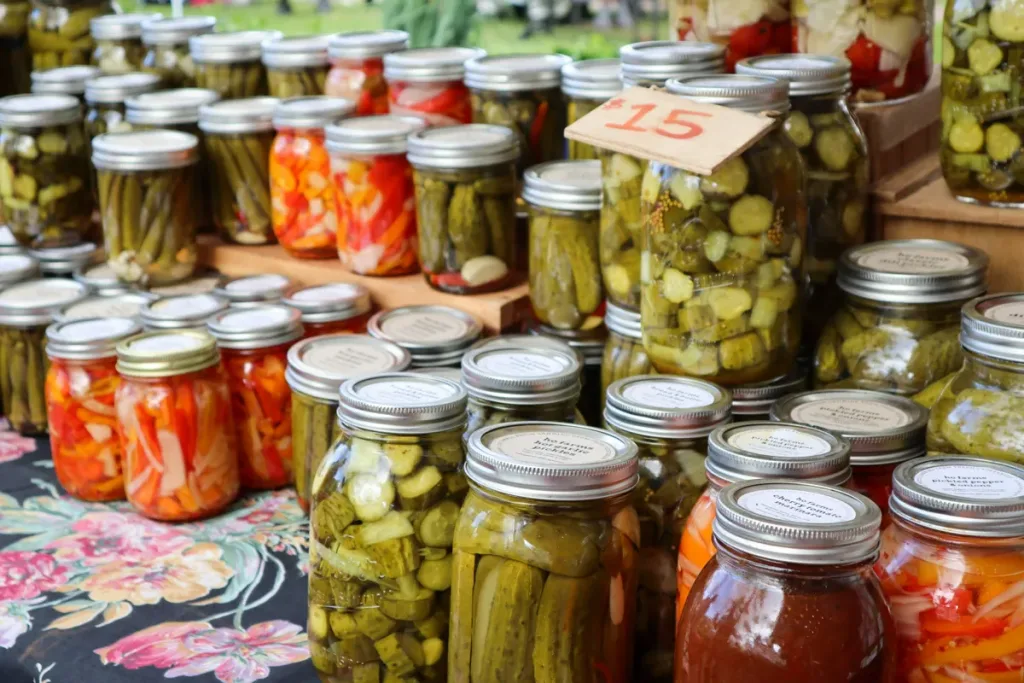
In many parts of the world, fruits and vegetables are abundant — yet much of this bounty goes to waste due to spoilage, oversupply, or poor post-harvest handling. A fruit or vegetable processing business bridges that gap, transforming perishable produce into high-value, long-lasting products like dried fruits, vegetable chips, jams, pickles, sauces, and juices.
Whether you’re a farmer wanting to add value to your harvest or an entrepreneur passionate about healthy, sustainable foods, fruit and vegetable processing offers a profitable, scalable opportunity.
A report via ResearchAndMarkets states the global processed food market will grow from US$2.15 trillion in 2025 to US$2.68 trillion by 2030, with the fruit and vegetable segment growing steadily due to increasing consumer demand for natural, convenient, and nutrient-rich snacks.
Let’s dive into how you can start your own processing venture — from choosing your niche and sourcing raw materials to marketing your finished products effectively.
Understanding the Fruit or Vegetable Processing Business Industry
Fruit and vegetable processing involves applying scientific and mechanical techniques to extend the shelf life, enhance taste, and increase the market value of fresh produce.
Common processing methods include:
- Drying/Dehydration: Removing water to prevent spoilage (e.g., dried mangoes, banana chips).
- Canning and Bottling: Sealing fruits or vegetables in airtight containers (e.g., tomato paste, fruit cocktail).
- Freezing: Preserving nutritional value by rapid chilling.
- Fermentation: Producing pickles, kimchi, or sauerkraut.
- Juicing and Pulping: Making ready-to-drink beverages and purees.
- Jamming and Candying: Using sugar or syrup to preserve and flavor fruits.
These methods not only reduce post-harvest losses but also create steady income opportunities for farmers and food entrepreneurs throughout the year.
Why Start a Fruit or Vegetable Processing Business?
High Demand for Healthy and Natural Snacks
Consumers are moving away from artificial, highly processed foods toward organic, locally sourced, and preservative-free alternatives.
Longer Shelf Life and Wider Market Reach
Processed products can be stored, transported, and sold for months, enabling year-round business regardless of season.
Support for Farmers and Rural Economies
Value-added processing helps reduce waste and provides new income streams for local growers.
Export Potential
Countries like the Philippines, Thailand, and India export dried mangoes, banana chips, and fruit juices worldwide — a lucrative opportunity for small businesses to scale globally.
Choosing Your Niche or Product Line
Focus on one to three core products to start. Here are profitable niche ideas:
| Product Type | Example | Market Demand |
|---|---|---|
| Dried Fruits | Mango, pineapple, banana, jackfruit | Popular among health-conscious consumers |
| Vegetable Chips | Sweet potato, taro, kale, okra | Trending as low-fat snacks |
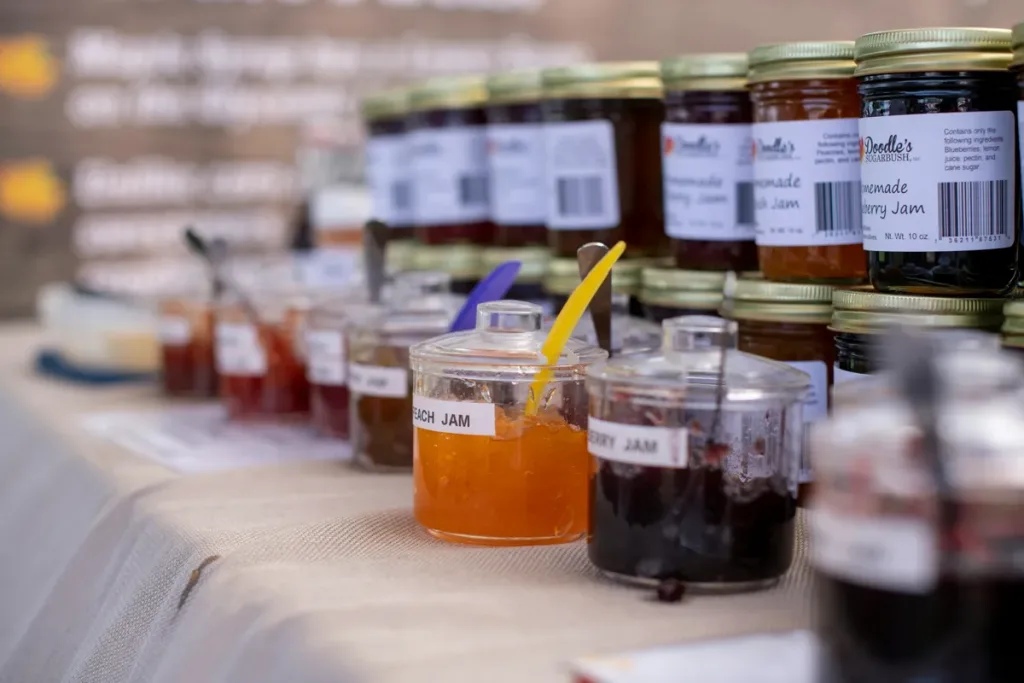
| Jams & Preserves | Strawberry, guava, calamansi | Great for local and export markets |
| Pickles & Fermented Foods | Papaya atsara, cucumber pickles | Staple in Asian cuisine |
| Juices & Smoothies | Mixed fruit, calamansi, carrot | Growing in ready-to-drink markets |
| Sauces & Purees | Tomato sauce, chili paste | Used in both households and restaurants |
Tip: Study what grows abundantly in your area. Local availability ensures lower raw material costs and better margins.
Conducting Market Research
Before investing, do proper market validation:
- Survey your target customers — supermarkets, restaurants, distributors, or online buyers.
- Identify competitors and analyze their pricing, packaging, and marketing.
- Check regulations from your Department of Trade and Industry (DTI) or FDA regarding food processing licenses.
You can also join trade fairs and agri-food expos to understand the latest trends and buyer preferences.
Creating a Business Plan
A well-structured business plan helps secure investors or government funding.
Key components include:
- Executive Summary – Describe your business, goals, and target market.
- Market Analysis – Include competitor and demand analysis.
- Operations Plan – Outline production, storage, and logistics.
- Financial Plan – Estimate startup costs, pricing, and profit projections.
- Marketing Strategy – Explain your sales channels (e.g., supermarkets, Shopee, Lazada, or export).
Required Permits and Certifications
Food businesses are strictly regulated to ensure consumer safety.
In the Philippines, for example, you need:
- DTI/SEC Registration – Legalize your business.
- Barangay Clearance and Mayor’s Permit
- FDA License to Operate (LTO) – For manufacturing and distribution.
- BFAD Product Registration – For labeling and packaging compliance.
- Sanitation Certificate – From the local health office.
If exporting, you’ll also need export accreditation from agencies like DA-BPI or Philippine Exporters Confederation (PHILEXPORT).
Equipment and Facilities for Your Fruit or Vegetable Processing Business
The scale of your business determines your equipment needs.
Basic setup for small-scale processing:
- Stainless steel tables and sinks
- Washing and peeling machines
- Slicers and dehydrators or ovens
- Sealing machines
- Weighing scales
- Packaging materials (bags, jars, labels)
For larger operations, invest in automated dryers, blenders, pasteurizers, and cold storage units.
Pro Tip: Start small using manual or semi-automatic equipment, then upgrade as demand grows.
Sourcing Your Raw Materials
Develop strong relationships with local farmers or cooperatives. Consider contract farming or bulk purchases during harvest season at discounted rates.
Prioritize:
- Fresh and high-quality produce
- Seasonal availability
- Organic or pesticide-free sources (for premium markets)
The Processing Steps: Example for Dried Mango Business
- Selection: Choose ripe but firm mangoes.
- Washing: Clean thoroughly to remove dirt and residues.
- Peeling and Slicing: Uniform slices ensure even drying.
- Pretreatment: Dip in sugar syrup or citric acid to preserve color and taste.
- Drying: Use solar or mechanical dehydrators until moisture drops to 10–15%.
- Packaging: Seal in air-tight pouches to prevent moisture reabsorption.
- Labeling: Include nutrition facts, expiry date, and ingredients.
Packaging and Branding
Attractive, eco-friendly packaging boosts sales appeal.
Choose moisture-proof, food-grade materials and clear labeling.
Your label must include:
- Product name
- Ingredients list
- Net weight
- Manufacturer details
- Expiry or best-before date
- Nutritional information
Invest in strong branding — emphasize your local origin, organic quality, or sustainability story to stand out.
Marketing and Sales Channels
Diversify your sales outlets:
- Local supermarkets or convenience stores
- Farmers’ markets and agri-fairs
- Online platforms (Shopee, Lazada, Etsy, Amazon)
- Export distribution through brokers
- Direct-to-consumer subscriptions
Digital Marketing Tips:
- Build a website or Facebook page showcasing your products.
- Post educational content about health benefits and recipes.
- Partner with local influencers or health bloggers.
- Offer free samples or bundle promos.
Financial Overview: Startup Costs and Profitability
Sample small-scale budget:
| Expense | Estimated Cost (USD) |
|---|---|
| Basic equipment & tools | $5,000 |
| Raw materials | $2,000 |
| Packaging & labeling | $1,000 |
| Permits & licenses | $300 |
| Marketing & logistics | $1,000 |
| Total Initial Capital | ~$9,300 |
Profit margins typically range from 30%–60%, depending on efficiency, sourcing, and product mix.
Sustainability and Waste Management
Modern consumers value eco-friendly brands.
- Reuse fruit peels or vegetable trimmings for compost or animal feed.
- Use biodegradable packaging where possible.
- Source locally to minimize carbon footprint.
This not only reduces costs but enhances your brand’s environmental credibility.
Scaling and Expanding Your Business
Once you gain traction:
- Add new product lines (e.g., dried vegetables, juice concentrates).
- Collaborate with local growers for consistent supply.
- Explore export markets through trade fairs and e-commerce.
- Invest in certifications like Halal, HACCP, or Organic for global trust.
Challenges to Expect
| Challenge | How to Overcome |
|---|---|
| Seasonality of produce | Freeze or dry surplus during peak season |
| High electricity cost | Use solar dryers or energy-efficient systems |
| Short shelf life | Improve packaging and temperature control |
| Strict regulations | Maintain hygiene and comply with food safety standards |
100+ Examples of Processed Fruits and Vegetables
Whether you’re planning to start a fruit drying business, bottled juice line, or frozen food venture, here’s a list of 100+ fruits and vegetables that are commonly processed into profitable products around the world.
A. Dried Fruits
- Mango – dried mango strips
- Banana – banana chips
- Pineapple – dried pineapple rings
- Papaya – dried papaya chunks
- Jackfruit – dehydrated jackfruit
- Apple – apple rings
- Strawberry – freeze-dried strawberries
- Blueberry – dried blueberries
- Cranberry – sweetened dried cranberries
- Raisins – dried grapes
- Coconut – desiccated coconut
- Guava – dried guava slices
- Fig – sun-dried figs
- Dates – pitted dried dates
- Apricot – dried apricots
B. Dried Vegetables
- Tomato – sun-dried tomatoes
- Mushroom – dried mushroom slices
- Carrot – dehydrated carrot flakes
- Bell Pepper – dried red and green pepper strips
- Onion – onion flakes or powder
- Garlic – garlic powder or granules
- Spinach – dried spinach flakes
- Malunggay (Moringa) – dried moringa leaves
- Sweet Potato – sweet potato chips
- Okra – dried okra chips
C. Canned Fruits
- Peaches – canned in syrup
- Pineapple – canned rings
- Lychee – canned lychees
- Mango – mango cubes in syrup
- Rambutan – canned rambutan with syrup
- Longan – canned longans
- Fruit Cocktail – mixed canned fruits
- Cherry – maraschino cherries
- Pear – canned pear halves
- Apple – apple pie filling
D. Canned Vegetables
- Corn – whole kernel corn
- Green Peas – canned green peas
- String Beans – canned in brine
- Asparagus – canned spears
- Tomato – canned crushed tomatoes
- Carrots – canned baby carrots
- Mixed Vegetables – assorted canned veggies
- Spinach – canned spinach
- Mushroom – canned button mushrooms
- Bamboo Shoots – canned bamboo slices
E. Pickled and Fermented Products
- Cucumber – pickled cucumber
- Papaya – atchara (Philippine-style pickled papaya)
- Radish – kimchi or daikon pickle
- Mango – green mango pickles
- Chili – pickled chili peppers
- Garlic – pickled garlic cloves
- Beetroot – beet pickles
- Carrot – spicy pickled carrots
- Eggplant – pickled eggplant slices
- Sauerkraut – fermented cabbage
F. Jams, Jellies, and Preserves
- Mango Jam
- Guava Jam
- Strawberry Jam
- Pineapple Preserves
- Calamansi Marmalade
- Passionfruit Jam
- Santol Preserves
- Tamarind Jam
- Dragon Fruit Jam
- Dalandan Marmalade
G. Juices and Beverages
- Mango Juice
- Guyabano Juice
- Calamansi Juice
- Pineapple Juice
- Watermelon Juice
- Cucumber-Lemon Juice
- Carrot Juice
- Beetroot Juice
- Aloe Vera Drink
- Green Smoothie Blend (spinach + banana)
H. Frozen Fruits and Vegetables
- Frozen Mango Cubes
- Frozen Strawberries
- Frozen Banana Slices
- Frozen Pineapple Tidbits
- Frozen Blueberries
- Frozen Broccoli
- Frozen Cauliflower
- Frozen Mixed Vegetables
- Frozen Peas
- Frozen Corn
I. Purees and Pastes
- Tomato Paste
- Banana Puree
- Mango Puree
- Ube (Purple Yam) Puree
- Pumpkin Puree
- Sweet Potato Puree
- Guava Puree
- Apple Sauce
- Avocado Puree
- Spinach Paste
J. Specialty and Value-Added Products
- Banana Ketchup (Philippine style)
- Taro Chips
- Cassava Chips
- Kangkong Chips
- Fruit Leather (mixed tropical fruits)
- Ampalaya Chips
- Kalabasa Chips
Bonus Tip: Choosing What to Process
When deciding which fruits or vegetables to process:
- Start local – choose crops abundant in your area.
- Check demand – dried mango, banana chips, and fruit jams have strong export potential.
- Invest in good packaging – vacuum-sealed, eco-friendly packaging adds premium value.
Conclusion: Turning Nature’s Harvest into a Lasting Legacy
Starting a fruit or vegetable processing business is more than just a profitable venture — it’s a commitment to sustainability, food security, and innovation. By transforming local produce into shelf-stable, healthy products, you help farmers, consumers, and communities thrive together.
With the right strategy, quality focus, and marketing approach, your brand could become the next go-to name for premium dried fruits, pickles, or natural preserves — both locally and abroad.