


Goat farming remains a profitable business, and the key to sustaining it lies in providing quality and consistent animal feed. Pelletized feeds have become increasingly popular in the livestock sector as they offer a solution to the seasonal scarcity of quality forage, making sure goats are well-fed year-round.
Understanding Pelletized Feeds
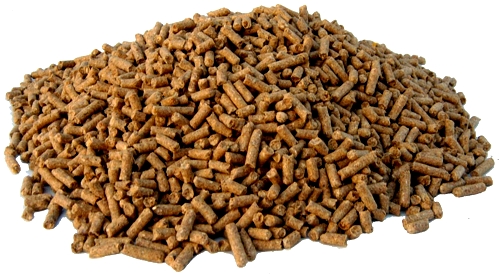
Pelletized feeds are compacted feed ingredients that come in the form of small, dense cylinders. This technique improves the palatability and digestibility of the feed, ensuring that goats receive the right nutrition for growth, reproduction, and lactation. Some of the primary components in these pellets include:
- Leaf Meals: Sourced from plants like Indigofera, Ipil-ipil, Kakawate, and Rensonii, which provide essential protein.
- Concentrates: Key to offering energy and proteins for the goats’ overall health.
- Mineral Supplements: Provide vital minerals such as calcium, phosphorus, sodium, and chloride, which are important for bone development and metabolic functions.
Advantages of Pelletized Feeds
- Enhanced Feeding Efficiency: Pellets are easy to store and distribute, ensuring minimal feed wastage.
- Improved Productivity: Goats fed with pelletized diets show faster growth rates and increased milk production.
- Labor and Space Savings: Due to their compact nature, pelletized feeds are easy to store and manage, cutting down on labor costs.
- Year-Round Supply: Pelletizing enables the preservation of seasonal feed, ensuring a constant and reliable supply of feed throughout the year.
Cost Analysis and Profitability
As of 2025, the market price for goat pellet feeds has seen a significant rise, with the average cost per kilogram now around Php52. This price increase is due to factors such as raw material costs, production expenses, and supply chain considerations. To give you an idea of the profitability of pellet feed production, here’s a breakdown based on current data:
For a production scale of 115,200 kg annually, the initial investment required is approximately Php1.53 million, with working capital of Php1.03 million and capital investment of Php0.50 million. This scale of production will support approximately 153,600 goats daily over a 120-day period. The estimated financial performance for this scale is:
- Internal Rate of Return (IRR): 43%
- Net Present Value (NPV): Php535,223
- Benefit-Cost Ratio (BCR): 1.17
For smaller-scale operations producing 86,400 kg annually, the estimated financial metrics are:
- IRR: 15%
- NPV: Php121,022
- BCR: 1.09
Market Pricing and Returns
With the market price for pellet feeds at Php52 per kilogram, here’s an updated calculation of potential returns. The cost of producing feed for growing goats and lactating goats is as follows:
- Growing Goats: If sold at Php52 per kilogram, the estimated gross returns for 10,000 kg of feed would be Php520,000.
- Lactating Goats: The selling price of Php52 per kilogram also applies to lactating goats, yielding the same returns of Php520,000 for 10,000 kg of feed.
This price change emphasizes the profitability of pellet feed production, especially if the scale of operation is managed effectively, making it a viable option for anyone looking to enter the goat farming industry.
Conclusion
Investing in pelletized feeds for goats offers multiple benefits, including higher animal health, better productivity, and greater financial returns. As feed prices rise, it becomes even more important to ensure that production scales and operational costs are optimized for profitability. Whether you’re just starting or expanding, pellet feed production remains a sustainable and lucrative investment in the livestock industry, ensuring a steady supply of quality feed year-round.