


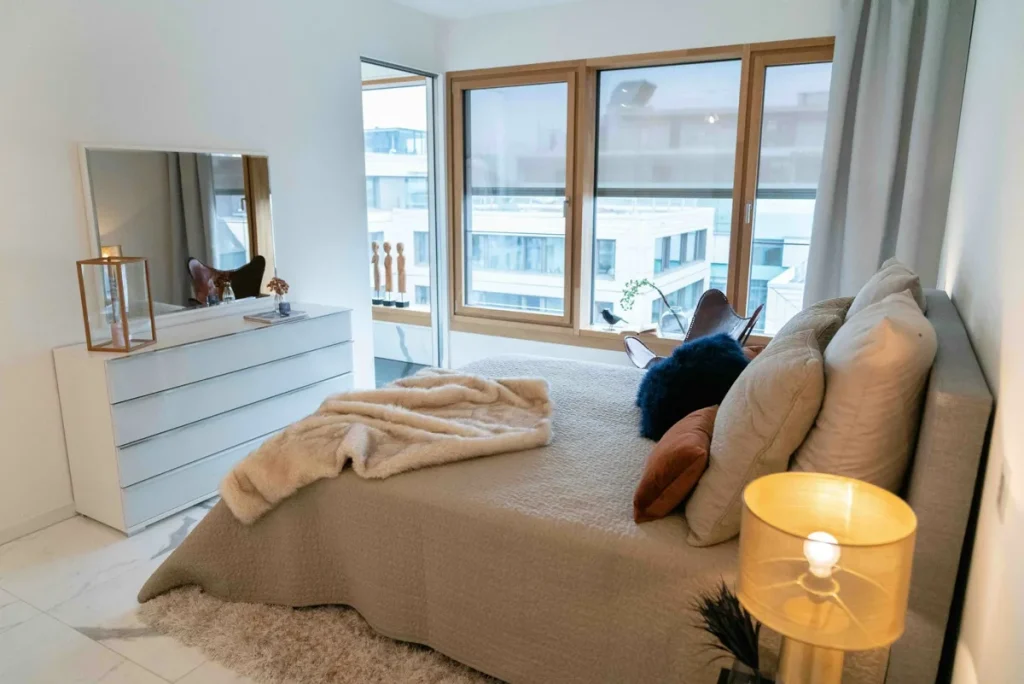
Tourism is bouncing back stronger than ever in the Philippines. With millions of local and international travelers looking for unique and affordable accommodations, the short-term rental market has become one of the fastest-growing opportunities for small entrepreneurs.
Platforms like Airbnb, Agoda Homes, and Booking.com allow everyday Filipinos to turn their spare rooms, apartments, or even farmhouses into profitable businesses. Beyond traditional homestays, trends such as glamping sites, beach cabins, and tiny houses are capturing the attention of travelers who crave authentic and Instagram-worthy experiences.
Short-term rentals are not just about providing a place to sleep—they’re about selling an experience. If you own property or have access to land, hosting can be one of the most lucrative businesses to start today.
Why Short-Term Rentals Are a Promising Business
1. Tourism Recovery
The Philippines welcomed over 5 million international tourists in 2023, and numbers are projected to climb higher by 2025. Domestic travel also remains strong, as Filipinos explore nearby provinces for weekend getaways.
2. Affordable Entry
You don’t need to own a luxury resort. Many successful hosts start by renting out a spare condo unit, guest room, or vacation house. Others set up tiny houses or glamping tents on underutilized land.
3. Flexible Business Model
You can manage the property yourself or hire a caretaker. Hosting also allows you to block out dates when you want to use the property for personal stays.
Types of Short-Term Rentals That Work in the Philippines
1. Condominiums in Metro Cities
Manila, Cebu, and Davao remain top areas where tourists book city stays. Studio units near business districts or malls are highly sought after.
2. Beachside Cabins & Resorts
Properties in Palawan, Siargao, and Bohol continue to attract both local and foreign travelers. Simple cottages with good views are in demand.
3. Tiny Houses & Glamping Sites
One of the biggest trends of 2025 is the rise of eco-friendly stays. Travelers are excited to try tiny houses, A-frame cabins, and camping-style accommodations that provide comfort without luxury price tags.
4. Farm Stays & Rural Retreats
Properties in Tagaytay, Batangas, and Bukidnon are attracting guests who want to experience farm-to-table living, nature retreats, and provincial peace.
How to Start a Short-Term Rental Business
Step 1: Choose Your Property
Decide whether you’ll use your own property, lease a unit, or build a structure (like a tiny house). Factors to consider:
- Location accessibility
- Proximity to tourist spots or transport hubs
- Safety and neighborhood appeal
Step 2: Prepare and Furnish
Guests expect comfort and cleanliness. Invest in:
- Comfortable beds and linens
- Reliable Wi-Fi
- Air-conditioning or fans
- Kitchen essentials (basic cooking tools)
- Attractive décor for Instagram appeal
Step 3: Register as a Host
Platforms like Airbnb and Agoda Homes require:
- A valid ID
- Property details and photos
- Payment method (bank or PayPal account)
Step 4: Create Compelling Listings
- Use high-quality photos showing every part of your property.
- Write detailed descriptions (amenities, nearby attractions, house rules).
- Highlight your property’s unique selling point: “tiny house by the lake,” “farm stay with mountain views,” or “condo 2 minutes from Mall of Asia.”
Step 5: Set Pricing
Research nearby listings to find the average rate. Adjust prices based on seasonality (higher rates on weekends, holidays, and peak travel months).
Step 6: Manage Bookings & Guests
Respond to inquiries quickly, confirm bookings promptly, and maintain good communication with guests. Excellent reviews lead to higher visibility on platforms.
Startup Costs to Consider
- Renovation & Furnishing: ₱50,000–₱200,000 depending on property type
- Utilities: Monthly electricity, water, Wi-Fi (₱3,000–₱7,000/month)
- Cleaning & Maintenance: ₱500–₱1,000 per turnover
- Marketing: Free via listing sites; optional social media ads
Challenges in Short-Term Rentals
- Seasonal Demand – Expect lower bookings during off-peak months; adjust pricing and target domestic travelers.
- Maintenance Issues – Frequent guest turnover means more wear and tear. Build a budget for repairs.
- Competition – Differentiate by offering personalized touches (welcome kits, free breakfast, or guided tours).
- Regulations – Some condominiums and subdivisions restrict short-term rentals. Always check local policies.
Tips to Maximize Income
- Offer Experiences: Guided tours, cooking lessons, or free bikes add value.
- Use Dynamic Pricing: Tools like Airbnb Smart Pricing automatically adjust your rates.
- Cross-List on Platforms: Don’t just rely on Airbnb—list on Agoda, Booking.com, and Facebook Travel Groups.
- Encourage Reviews: Politely ask satisfied guests to leave feedback for credibility.
- Build a Brand: Create a social media page showcasing your property’s story, not just its features.
Case Example: Tiny House Success
In Batangas, a family converted their idle lot into a tiny house rental. Built for only ₱400,000, it now earns around ₱2,500 per night, with bookings almost every weekend. Their success lies in marketing the stay as an eco-retreat escape from Manila rather than just accommodation.
Future Outlook: Why Now Is the Best Time to Start
The global travel industry is projected to keep growing, and the Philippines is benefiting from new airports, improved infrastructure, and more flight routes. At the same time, travelers increasingly want authentic, affordable, and Instagrammable stays rather than generic hotel rooms.
For property owners and aspiring hosts, this is the golden opportunity to join the short-term rental economy. Whether it’s a condo unit, a tiny house, or a glamping site, the demand is there—and it’s only expected to rise.
Conclusion
Short-term rentals and Airbnb hosting are no longer niche opportunities—they’re mainstream income streams in the Philippines. With proper preparation, creative marketing, and excellent guest service, you can transform a property into a sustainable business.
If you’ve been dreaming of entering the hospitality industry, start small: list a spare room, test the waters, and grow your business one booking at a time. From now and beyond, the potential for short-term rentals in the Philippines is bigger than ever.