


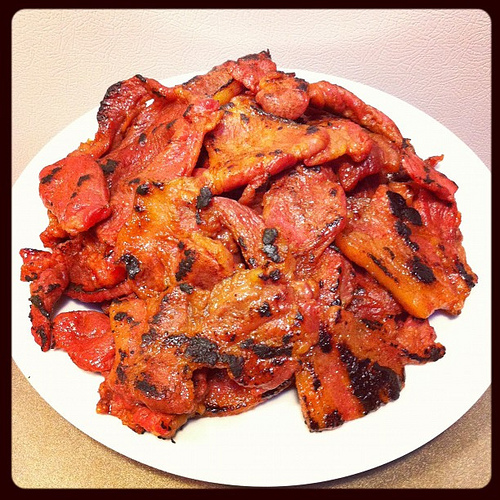
(Updated) Pork tocino—those sweet, savory slices of cured pork beloved by many Filipinos—is not just a breakfast staple. It’s also a golden opportunity for aspiring entrepreneurs! If you’re looking to start a business with minimal capital but excellent profit potential, making and selling homemade tocino could be your winning ticket.
Whether you plan to sell to your neighbors, friends, local offices, small eateries, or even partner with restaurants, pork tocino remains a high-demand food product all year round. Let’s dive into how you can launch your own tocino business.
What is Pork Tocino?
Pork tocino is made by curing thinly sliced pork meat with a special blend of salt, sugar, curing agents, and flavorful ingredients like pineapple juice and anisado wine. These ingredients not only enhance the taste but also help preserve the meat, extending its shelf life naturally.
Investment Requirements for a Pork Tocino Business (2025 Updated)
A. Utensil Costs
Here are the utensils you’ll need with their estimated prices:
- Measuring cups/spoons (plastic or stainless steel) – ₱170.00
- Spatula – ₱70.00
- Kitchen knife – ₱75.00
- Knife sharpener – ₱70.00
- Kitchen spoon – ₱85.00
- Ladle – ₱60.00
- Tongs – ₱100.00
- Stainless mixing bowl (32″) – ₱350.00
- Rectangular tray (plastic or aluminum) – ₱350.00
The total estimated cost for utensils is ₱1,330.00.
B. Equipment Costs
You’ll also need the following equipment:
- Weighing scale (for spices, 0–5kg) – ₱400.00
- Weighing scale (for meat, 1–10kg) – ₱750.00
- Refrigerator, 11 cu. ft. (good for curing up to 40kg of meat) – ₱38,000.00
- Polysealer (for sealing plastic packaging) – ₱2,000.00
- Styrofoam cooler (for transporting frozen tocino) – ₱400.00
The total estimated cost for equipment is ₱41,550.00.
C. Raw Materials, Ingredients, and Packaging Costs
Raw Material: The current price of pork meat (lomo, pigue, or kasim cuts) in 2025 is around ₱300.00 to ₱350.00 per kilogram.
Ingredients Needed per Kilogram of Pork:
- Salt (2 tablespoons) – ₱1.00
- Curing salt (½ teaspoon) – ₱0.20
- Sugar (12 tablespoons) – ₱8.00
- Phosphate (1 teaspoon dissolved in water) – ₱0.80
- Anisado wine (2 tablespoons) – ₱3.00
- Pineapple juice (2 tablespoons) – ₱1.00
- Crushed garlic or garlic powder (2 tablespoons) – ₱5.00
- Vitamin C powder (¼ teaspoon) – ₱0.80
- Food color (optional) – ₱0.50
- Vetsin (optional) – ₱0.50
The total cost for ingredients is approximately ₱20.80 per kilogram of pork.
Packaging Material:
- Polyethylene plastic bags (6″x12″, good for half-kilo packs) cost around ₱2.00 each.
Step-by-Step Process for Making Pork Tocino
- Choose high-quality pork meat. Good cuts include lomo, kasim, or pigue. Trim off excess fat and weigh the meat.
- Slice the pork into about ¼-inch thick pieces for easier marination.
- Measure all curing ingredients according to the weight of the meat.
- Cure the pork by mixing it well with salt, curing salt, phosphate solution, and Vitamin C powder.
- Blend in the dry ingredients like sugar and garlic powder until evenly coated.
- Add liquid ingredients like pineapple juice and anisado wine and mix thoroughly.
- Let the meat cure for 8 to 10 hours at room temperature or 8 to 12 hours in a refrigerator set at 3–5°C.
- Pack the tocino in polyethylene plastic bags in ¼ or ½ kilogram portions. Remove any air and seal tightly using a polysealer.
- Store the packaged tocino in the freezer to maintain its freshness and shelf life.
- To scale your production, simply double or triple the ingredients based on the weight of the meat.
Updated Costing and Pricing for 2025
Direct Costs per Kilogram of Tocino:
- Pork meat: ₱325.00 (average between ₱300–₱350)
- Ingredients: ₱20.80
- Packaging: ₱2.00
The total direct cost is ₱347.80 per kilogram.
Indirect Costs per Kilogram:
- Labor: ₱12.85 (based on ₱450 daily wage for two workers processing 70 kg meat)
- Transportation: ₱2.85
- Water and electricity: ₱3.57
- Contingency allowance (10% of direct cost): ₱34.78
The total indirect cost is ₱54.05 per kilogram.
Total Production Cost: Adding direct and indirect costs gives a total production cost of ₱401.85 per kilogram.
Suggested Selling Price: Applying a minimum markup of 20%, you should sell your tocino at around ₱482.00 to ₱500.00 per kilogram. Adjust your price depending on whether you are selling retail or wholesale.
Recommended Training Centers for Further Learning
If you want formal training or certification in meat processing, you can check out these institutions:
- Department of Science and Technology (DOST-STII) – Taguig, Metro Manila
- Animal Product Development Center – Bureau of Animal Industry (APDC-BAI) – Valenzuela City
- Technology Resource Center (TRC) – San Juan City
- TESDA Women’s Center – Taguig City
- DTI – Bureau of Small and Medium Enterprise Development (BSMED) – Makati City
Always check their websites or social media pages for updated training schedules and contact details.
Final Thoughts
Despite fluctuating pork prices, launching a pork tocino business remains a smart move. With low starting capital, high market demand, and delicious homemade quality, your tocino business can become a reliable source of income.
Commit to producing consistently tasty products, marketing strategically, and maintaining good hygiene practices, and you’ll find yourself growing from small-batch production to supplying bigger markets in no time!
anu po ang epekto ng Vitamins C sa marination?
sugar is already a preservative 🙂
Possible bang hindi gumamitng preservatives? Gaano kaya katagal shelf life kapag ganun?
I WANT TO LEARN AND BE TRAINED
Well done!!
nice,