

Rising oil prices and supply chain disruptions threaten to drive up packaging costs and consumer goods prices in the Philippines
The estimated sizes of the global packaging market at US$1.11 trillion in 2025 and of the Philippine packaging industry valued at US$78 billion in 2025 will be grossly affected by the continuing Iran War due to rising global oil prices impacting costs of raw materials, logistics disruptions, export and import trade, and other business challenges such as inflation.
Rising packaging costs will, in turn, affect consumers, creating issues of unaffordability. Packaging plays a big role in this market economics, especially in the petro-based plastic packaging sector. Common plastic packaging comes in the form of PET bottles and jars for beverages and condiments, as well as HDPE, LDPE, and PP for food products, personal care, sauce cups, and other retail packages. The food and beverage sector, which uses about 40% of global plastic packaging, is heavily affected. Packaging costs in the bottled industry, for instance, are expected to increase by as much as 45% if the conflict persists, according to Sara Warden, commodity journalist at CZapp, a digital hub for commodity prices, supply chain tools, and market analysis.
At the consumer level, the most widely-used plastic packaging purchased by tingi are the single-use plastic sachets used for products such as three-in-one coffee and toothpastes. These sachets allow products to be sold conveniently, cheaply, and immediately usable. Sachets are ingrained into the Filipino consumer’s mindset and culture. According to the 2020 report of the Global Alliance for Incinerator Alternatives (GAIA), Filipinos use a staggering 164 million sachets a day.

vulnerability to oil price shocks and global supply chain disruptions.
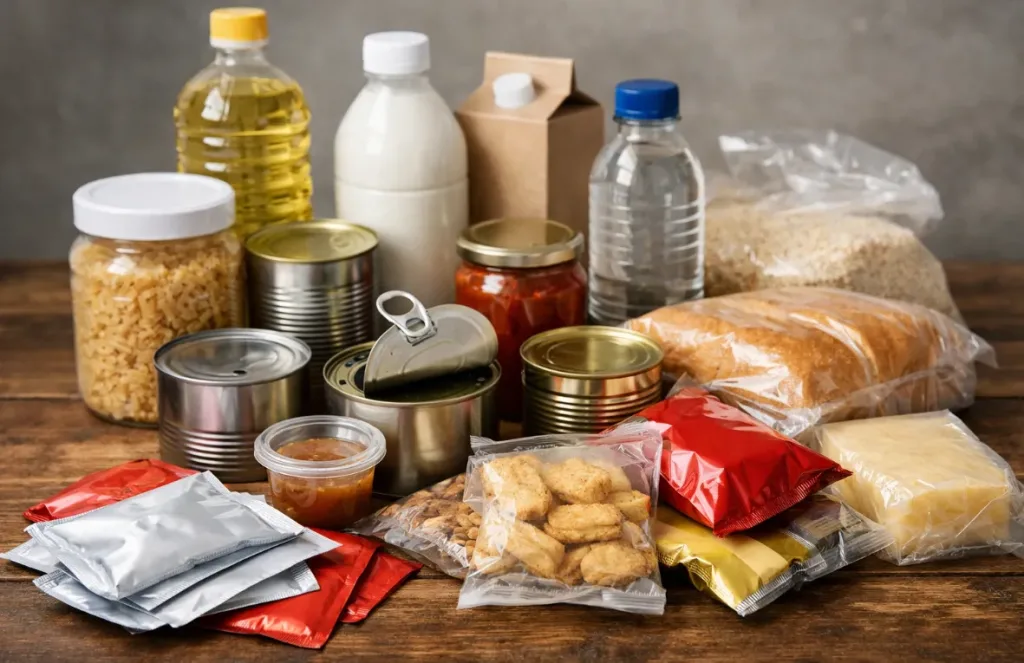
Grocery items are similarly impacted. Coffee is one such item likely to be affected, according to UK Insight, a UK-based consumer insights channel analyzing supermarket products, in its story on groceries expected to diminish due to rising packaging costs, logistics, and supply chain disruptions in the UK. Other products include cooking oil, chocolate (because of costly aluminum foil), packaged snacks, tinned and canned foods (like corned beef and sardines), and dairy products (from milk to cheese and butter). Items like seafood, fresh vegetables, and bread (baguette and sourdough) are affected not only by packaging costs (though minimal) but also by logistics, transport, and connected processes like refrigeration.
Locally, the Packaging Institute of the Philippines (PIP) has been focusing on strengthening sustainable packaging development to reduce the overall volume of materials and on optimizing packaging to use fewer resources. This is one pathway to mitigating vulnerability from the Iran War, according to PIP Director and Past President Stefano Paolo Buñag.
PIP works with over a hundred members—including suppliers, manufacturers, and users—largely by material categories, from primary to tertiary packaging. These include paper, corrugated boxes, plastics, glass, metal, flexible packaging, and even biodegradable-based choices such as banana fiber sacks and non-woven bamboo/banana panels.
PIP’s membership in the Asian Packaging Federation is essential, as the economic fallout from the US and Israel war on Iran is, as Time Magazine reports, particularly pronounced in Asia. As major importers, uncontrollable oil prices are bound to push up costs faster in Asia—from food to transport to electronics.