

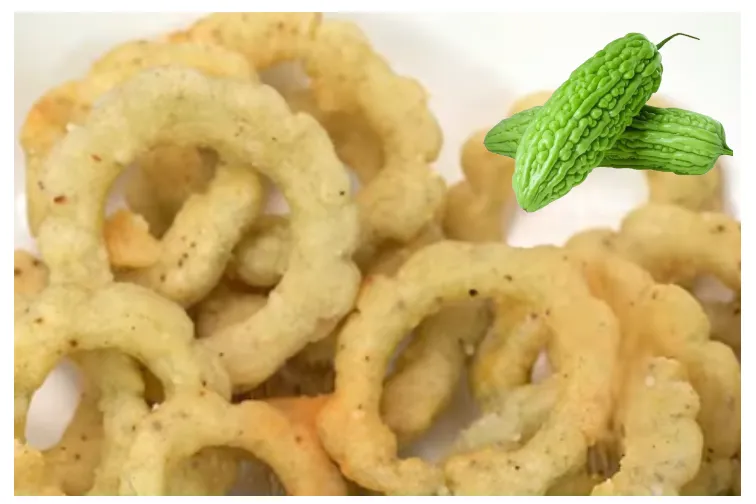
Ampalaya, or bitter gourd, has long been a staple in Filipino kitchens — loved for its unique flavor and lauded for its health benefits. But there’s a modern twist that’s catching attention across homes, restaurants, and even online shops: Ampalaya Chips.
These crispy green slices transform the traditionally bitter vegetable into a light, crunchy, and addictive snack. And it doesn’t stop there — Filipinos are now exploring other healthy and homegrown alternatives like kangkong chips, sitao fries, and kalabasa chips. Each brings a unique flavor and texture to the table: kangkong offers a delicate crisp similar to nori, sitaw fries give a satisfying crunch perfect for dipping, and kalabasa chips deliver a slightly sweet, golden crispness. Whether you’re looking for a healthy alternative to potato chips or an exciting small food business idea, these vegetable-based snacks — especially ampalaya chips — are both profitable and delightfully satisfying to make.
In this guide, you’ll learn the complete process — from preparation and coating to frying, storage, and marketing tips — based on tested techniques used by local food entrepreneurs in the Philippines.
Understanding Ampalaya and Its Health Benefits
Before diving into the recipe, it’s worth knowing why ampalaya chips have such strong market appeal.
Ampalaya (Momordica charantia) is packed with vitamins A, C, and folate, along with antioxidants that help lower blood sugar levels. It’s often recommended for diabetics and those who want to maintain a balanced diet.
Transforming it into chips retains many of these nutrients — and even those who normally dislike its bitterness find the crispy, lightly salted version surprisingly delicious.
Health-conscious consumers and vegans are constantly searching for guilt-free snack options. That’s where ampalaya chips stand out — nutritious, affordable, and distinctly Filipino.
Ingredients and Materials Needed for Ampalaya Chips
This recipe is designed for beginners and small food entrepreneurs, so all ingredients and materials are locally available and cost-effective.
Ingredients:
- 2 medium-sized ampalaya (bitter gourds)
- 1 tablespoon salt (divided)
- ½ teaspoon turmeric powder (optional; helps reduce bitterness and improve color)
- ½ cup all-purpose flour
- ½ cup commercial breading mix (any brand used for fried chicken or tempura)
- ¼ cup cornstarch
- ½ teaspoon black pepper or chili powder
- ¾ cup cold water (for dipping)
- Cooking oil (vegetable or canola oil) for deep frying
- Optional seasonings: garlic powder, onion powder, cheese powder, paprika
Basic Tools and Materials:
- Sharp knife or mandoline slicer
- Mixing bowls
- Colander or strainer
- Bamboo tongs or slotted spoon
- Deep frying pan or small fryer
- Paper towels or wire rack
- Airtight jars or foil pouches for storage
For small-scale production, you can also prepare heat-sealed plastic packaging with simple labeling, available in most baking supply stores or Lazada/Shopee.
Step-by-Step Guide: How to Make Crispy Ampalaya Chips
Here’s the updated double-coating recipe method that gives the best crunch and long-lasting crispness — perfect for both household snacking and small business production.
Step 1: Prepare the Ampalaya
Wash the ampalaya thoroughly under running water. Slice thinly (1–2 mm thick) using a sharp knife or mandoline. Thin slices ensure even frying and crisp texture.
Remove large seeds but keep the smaller ones — they add an extra crunch.
Step 2: Remove Excess Bitterness
Place the slices in a bowl. Add salt and a pinch of turmeric, mix well, and let sit for 20–30 minutes. This process draws out the vegetable’s natural bitterness.
Afterward, rinse lightly under cold water and pat completely dry with a clean kitchen towel.
Tip: The drier your ampalaya slices are, the crispier they’ll fry later.
Step 3: Mix the Coating
In a large bowl, combine the following:
- ½ cup flour
- ½ cup breading mix
- ¼ cup cornstarch
- ½ teaspoon pepper or chili powder
Mix thoroughly. The breading mix enhances the flavor and helps create an extra crispy shell.
Step 4: First Coat (Dry Tossing)
Add the dry ampalaya slices into the flour-breading mixture. Toss until every piece is evenly coated. Shake off the excess flour.
Step 5: Dip in Cold Water
Next, dip the coated slices lightly into cold water — just enough to wet the surface. Cold water reacts with starches to produce a puffier, crunchier coating.
Step 6: Second Coat (Double Breading)
Return the wet slices back into the dry mix for a second coating. This double breading locks in the moisture inside while forming a golden, crispy crust once fried.
Step 7: Deep Fry to Perfection
Heat oil in a deep pan or fryer to 170–180°C (medium-high heat). If you don’t have a thermometer, test the oil by dropping a pinch of flour — it should sizzle instantly.
Fry small batches at a time (don’t overcrowd). Each batch should cook for 3–4 minutes or until golden brown. Turn occasionally to cook evenly.
Step 8: Drain and Cool
Remove chips using a slotted spoon. Place them on paper towels or a wire rack to drain excess oil. Allow to cool completely — they’ll get even crispier as they cool.
Step 9: Season and Store
While still slightly warm, sprinkle your desired flavorings like garlic powder, paprika, or cheese seasoning. Once cooled, store in airtight jars or resealable foil packs.
Properly stored, ampalaya chips can stay fresh and crisp for up to 2 weeks at room temperature.
Watch the video here:

Costing and Profit Estimate for Small Business
| Item | Approx. Cost (PHP) |
|---|---|
| 2 pcs ampalaya | ₱40 |
| Flour, cornstarch, breading mix | ₱20 |
| Oil (500ml) | ₱30 |
| Seasoning | ₱10 |
| Packaging | ₱10 |
| Total Estimated Cost: | ₱110 |
If one batch produces 10 small packs (30g each), you can sell them at ₱25–₱30 per pack.
That’s a total income of ₱250–₱300, yielding around ₱150–₱180 net profit per batch.
Scaling up production with better equipment (e.g., a small fryer and sealer) can double your daily output with minimal additional cost.
Tips for Perfect Crispiness & Flavor
- Use thin, uniform slices — inconsistent thickness leads to undercooked or burnt pieces.
- Fry at stable moderate temperature. Overheating causes burning; too low heats too slowly and increases oil absorption.
- Fry in small batches to maintain oil temperature.
- Use fresh oil or filter your oil between uses to avoid off-flavors.
- Cool chips fully before sealing; trapping steam ruins crispiness.
- Experiment with seasoning mixes — garlic powder, smoked paprika, chili, or umami blends.
Production and Cost Considerations for Small-Scale Business
If you plan to produce ampalaya chips commercially, here are key factors to watch:
- Raw material cost: Depending on your local vegetable market, ampalaya prices fluctuate. Buying in bulk or growing your own can reduce cost.
- Yield ratio: Expect losses during prep (peeling, slicing, discarding pith). You might need ~1.5 to 2 kg raw ampalaya to yield 1 kg of chips, depending on thickness and frying losses.
- Oil and ingredient cost: Oil is a major recurring expense. Filter and reuse when possible. Seasoning, flour, packaging, and labor also matter.
- Labor and time: Slicing, coating, frying, draining, packaging—all labor-intensive tasks. Automating slicing or investing in mandolines helps.
- Packaging & shelf life: Use moisture-proof packaging (vacuum seals, foil-lined bags) to extend shelf life.
- Pricing strategy: Use local snacks pricing benchmarks but highlight the novelty and health edge of ampalaya chips to command premium.
Serving Suggestions & Uses
- Serve with dips (garlic aioli, spicy vinegar, tomato salsa)
- Use as a side “chip” alongside soups or rice bowls
- Include in snack packs (trail mix, veggie chips mix)
- Promote as a “healthy alternative to potato chips,” or a vegetable-based snack
Marketing Tips for Your Ampalaya Chips Business
- Highlight Health Benefits:
Promote your chips as a guilt-free snack rich in fiber and antioxidants. Target health-conscious consumers, diabetics, office workers looking for low-calorie munchies, vegetarians, snackers seeking novelty, gift markets, and boutique stores. - Use Local Branding:
Emphasize “vegetable snack,” “low glycemic,” “homemade & artisanal,” or “diet-friendly chips.”. Create a name that connects to Filipino identity — like “Crispy Gourd Delights” or “Ampalaya Crunchies.” - Leverage Social Media:
Use Facebook Marketplace, TikTok Shop, and Instagram to showcase your product through short videos or ASMR-style crisp sounds. - Offer Free Samples:
Hand out small tasters in local stores, gyms, or schools to gain feedback and attract loyal customers. - Innovate with Flavors:
Try variants like bbq, sour cream, spicy chili, garlic-parmesan, cheese, or even sweet-caramelized for novelty. - Shelf life & logistics: Keep packaging airtight; consider small batch production to maintain crispness.
- Pricing: Position slightly higher than ordinary chips, given its vegetable origin and artisanal nature.
- Join Local Fairs:
Participate in barangay trade fairs or KADIWA ni Ani at Kita events by the Department of Agriculture to reach wider markets.
Health and Sustainability Angle
Ampalaya chips are not just a business opportunity — they’re part of a growing sustainable food movement. Utilizing local vegetables like ampalaya supports small farmers, reduces waste, and promotes Filipino culinary innovation.
Homegrown micro-enterprises that turn vegetables into long-shelf-life snacks also help promote food security and nutrition awareness in local communities.
Storage and Packaging Best Practices
To ensure product quality and shelf stability:
- Store chips in cool, dry places away from direct sunlight.
- Use food-grade moisture absorbers inside sealed packs.
- If producing commercially, check for FDA labeling and food safety requirements under the DTI’s small food business registration program.
Final Thoughts and Call to Action
The rise of healthy, locally made snacks is creating new opportunities for small food entrepreneurs across the Philippines. Ampalaya chips perfectly blend Filipino flavor, nutrition, and innovation.
By mastering this simple double-coating recipe and understanding the basics of costing, marketing, and storage, you can turn this humble vegetable into a profitable, sustainable business.
Ready to start your ampalaya chips venture? Begin experimenting with flavors today and discover how this bitter vegetable can bring you sweet success.
References
- Department of Agriculture. (2024). KADIWA ni Ani at Kita program updates. https://www.da.gov.ph
- Food and Nutrition Research Institute. (2023). Nutritional values of local vegetables. https://www.fnri.dost.gov.ph
- Philippine Statistics Authority. (2024). Vegetable production and consumption trends in the Philippines. https://psa.gov.ph
- Gayathry, K. S., et al. (2022). A comprehensive review on bitter gourd (Momordica charantia): nutritional composition, bioactive compounds and health benefits. Food Production, Processing and Nutrition. Retrieved from https://fppn.biomedcentral.com/articles/10.1186/s43014-022-00089-x
- Deep Bitter Gourd Chips Nutrition Facts. (n.d.). Retrieved from https://foods.fatsecret.com/calories-nutrition/deep/bitter-gourd-chips
- “Ampalaya chips.” Nolisoli. (n.d.). Veggie chips recipes, including ampalaya chips. Retrieved from https://nolisoli.ph/102923/veggie-chips-recipes-okra-ampalaya-singkamas
- Times Food. (n.d.). How to make bitter gourd chips recipe. Retrieved from https://recipes.timesofindia.com/recipes/bitter-gourd-chips/rs53634876.cms