


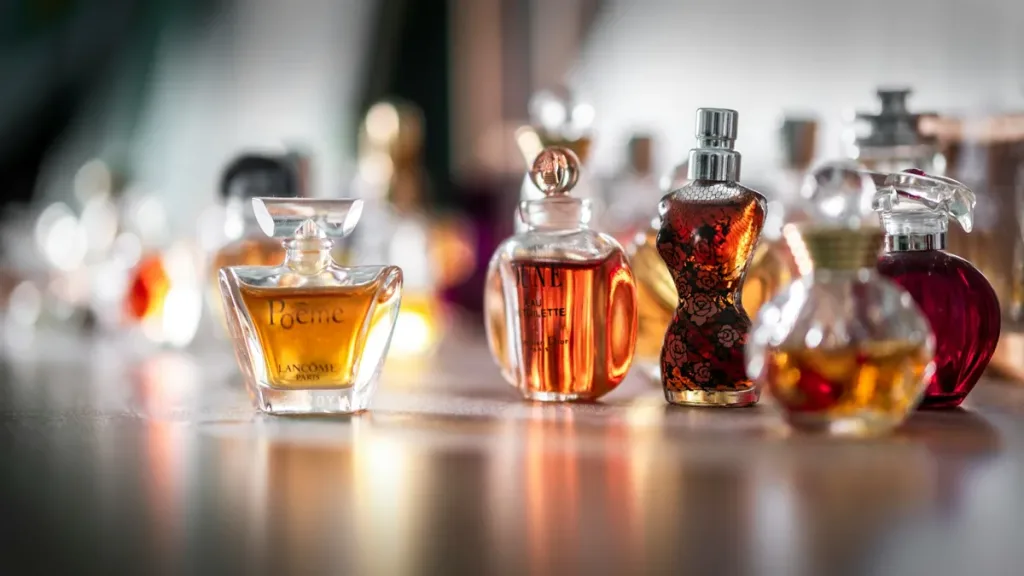
Perfume has always been more than just a scent—it’s a statement of personality, confidence, and mood. From luxury designer brands to homemade artisan blends, fragrances continue to dominate both the beauty and personal care market and the gift-giving industry.
According to Statista (2025), the global Beauty and Personal Care market is projected to generate US$677.19 billion in 2025, with fragrances making up a strong share of the sector. Despite rising costs, the demand for unique, niche, and natural perfumes continues to rise—especially among millennials and Gen Z consumers who value authenticity, sustainability, and personalized scents.
If you love fragrances and want to turn your passion into profit, this guide will show you how to start a perfume or fragrance business step by step—from formulating scents to packaging, branding, and selling online.
Step 1: Understand the Perfume Industry Landscape
Before investing, study how the fragrance business works. The perfume industry is divided into three main segments:
- Luxury or Designer Perfumes – Global brands like Dior, Chanel, and Gucci. High capital but high margin.
- Niche or Artisan Perfumes – Handmade or small-batch products using natural oils; perfect for startups.
- Mass-Market or Body Sprays – Affordable perfumes and colognes for daily use; low-cost entry point.
In 2026, independent perfume brands are booming due to online platforms like Shopee, TikTok Shop, Lazada, and Etsy, where handmade scents are trending. Consumers are drawn to personalized packaging and signature scents, which make small brands highly competitive.
Step 2: Decide What Type of Perfume Business to Start
Here are some business model options depending on your budget and goals:
| Type of Perfume Business | Description | Capital Range | Profit Potential |
|---|---|---|---|
| Homemade Perfume Line | Create your own signature scents using essential oils and alcohol bases | ₱20,000–₱50,000 | 50–200% ROI |
| Custom Blending Service | Offer personalized perfumes for clients or events (e.g., weddings) | ₱40,000–₱70,000 | High markup |
| Retail/Reseller | Buy wholesale perfumes and sell online | ₱15,000–₱30,000 | Moderate |
| Private Label Perfume | Outsource manufacturing but sell under your brand name | ₱100,000+ | High scalability |
If you’re just starting out, begin with a small-batch handmade perfume line. It’s affordable and allows room for experimentation and branding creativity.
Step 3: Learn the Basics of Perfume or Fragrance Business Making
Perfume creation is both an art and a science. Every perfume is made up of three layers of scent called notes:
- Top Note – The first impression (e.g., citrus, mint, lavender)
- Middle Note – The heart of the perfume (e.g., rose, jasmine, cinnamon)
- Base Note – The lasting scent (e.g., musk, vanilla, amber, sandalwood)
Basic Perfume Ingredients:
- Essential oils (natural scents) or fragrance oils (synthetic blends)
- Ethanol or perfumer’s alcohol (solvent)
- Distilled water (dilution)
- Fixatives (to make scent last longer, e.g., benzoin, musk)
Tools You’ll Need:
- Glass beakers and droppers
- Measuring scale
- Perfume bottles (atomizers)
- Labels and packaging supplies
You can source these materials locally from Shopee, Lazada, or bulk suppliers in Manila and Cebu.
Step 4: Create Your Signature Scent Line
Start with 3–5 variants to test the market. For example:
- Citrus Burst – Fresh and youthful (lemon, bergamot, mandarin)
- Floral Muse – Elegant and feminine (rose, jasmine, lily)
- Woody Nights – Masculine (cedarwood, amber, musk)
- Sweet Escape – Unisex (vanilla, coconut, honey)
Record each formulation precisely—drops, concentration levels, and notes used—so you can replicate successful blends.
You can also add a specialized segment like:
- Perfumes for sensitive skin (alcohol-free)
- Natural/organic perfumes (essential oils only)
- Private scent line for bald clients with toupee or scalp care needs – offering scalp-friendly, non-oily, and non-irritating fragrances for confidence and privacy.
Tip: For private clients (like those wearing toupees or wigs), use mild, skin-safe essential oils and hypoallergenic bases. You can charge ₱1,500–₱2,500 per custom bottle, depending on customization and confidentiality.
Step 5: Estimate Startup Capital and ROI
Here’s a sample breakdown for a small perfume-making startup in the Philippines:
| Item | Estimated Cost (₱) |
|---|---|
| Raw Materials (essential oils, alcohol, bottles) | 15,000 |
| Tools and Equipment | 8,000 |
| Branding & Packaging Design | 10,000 |
| Business Permits | 3,000 |
| Marketing (online ads, photoshoots) | 5,000 |
| Total Capital | ₱41,000 |
Profit Potential:
If you sell 100 bottles per month at ₱350 each = ₱35,000 gross revenue.
Production cost per bottle ≈ ₱150 → ₱20,000 total cost → ₱15,000 profit/month.
That’s a 36% ROI per month after scaling.
Step 6: Register Your Perfume or Fragrance Business
Legalizing your business builds trust and brand authority.
Here’s what you’ll need in the Philippines:
- DTI registration (if sole proprietor) or SEC (for corporations)
- Barangay clearance & Mayor’s permit
- FDA License to Operate (LTO) for cosmetic products
- Product notification for each perfume variant
You can start selling locally while applying for FDA approval, but full compliance is required before nationwide or export distribution.
Step 7: Branding and Packaging Design
Perfume is a sensory product, so branding must appeal to sight, touch, and emotion.
Branding Tips:
- Choose a memorable brand name (e.g., “AromaHaven,” “Scentistry,” “Lueur”)
- Design a premium minimalist logo
- Use dark glass bottles for a luxury feel
- Include personal notes or mood cards with purchases
Pro Tip: Private labeling and custom engraving can attract high-paying clients for corporate gifts or weddings.
Step 8: Build Your Online Presence
Create an online store or social media presence:
- Instagram & TikTok – Showcase “perfume-making ASMR” and scent stories.
- Shopee / Lazada Shop – For online orders and shipping integration.
- Website or Shopify Store – For brand storytelling and SEO content.
SEO Keyword Ideas for Your Website:
- how to start a perfume business
- fragrance line startup
- perfume business guide
- perfume selling ideas
- small perfume business Philippines
Step 9: Market Your Perfume Brand
Creative marketing makes your perfume memorable.
Effective Marketing Ideas:
- Offer scent discovery kits – mini sample bottles for new customers.
- Host pop-up perfume workshops – teach clients how to blend their own scent.
- Sell personalized scents for bald or scalp-sensitive clients—confidentially packaged for privacy.
- Partner with salons, spas, or barbershops for cross-promotions.
- Run TikTok ads with storytelling about how each scent was inspired.
Step 10: Scale and Grow
Once your sales grow, you can expand by:
- Hiring professional perfumers for unique formulations.
- Exporting through Alibaba, Etsy, or Amazon Handmade.
- Launching an eco-friendly refill station to promote sustainability.
- Adding scented candles, diffusers, or body mists as brand extensions.
Scaling your perfume line means building long-term emotional connections—every bottle tells a story, and people remember how your fragrance made them feel.
FAQs
Q1: How much capital do I need to start a perfume business?
You can start with as little as ₱20,000–₱50,000, especially for handmade perfumes. Larger brands or private labels may require ₱100,000 or more.
Q2: Is perfume making profitable?
Yes! Perfumes have a high markup—some reach 200% ROI, especially for luxury or custom-blended lines.
Q3: Do I need an FDA permit to sell perfume in the Philippines?
Yes. A License to Operate (LTO) and product notifications from the FDA are required for cosmetic products.
Q4: How can I sell perfumes online successfully?
Focus on branding, scent storytelling, and influencer marketing. Offer free samples and collect reviews.
Q5: Can I make private custom scents for bald clients or sensitive scalps?
Absolutely. Use mild essential oils and alcohol-free bases. Keep the transaction private and premium—charge ₱1,500–₱2,500 per custom bottle.
Conclusion: Your Fragrance Legacy Awaits
Starting a perfume business now is not just about mixing scents—it’s about creating identity and emotion. With the right formula, brand story, and market strategy, you can turn a small bottle into a thriving empire.
Remember, perfumes aren’t just products—they’re experiences in a bottle.