


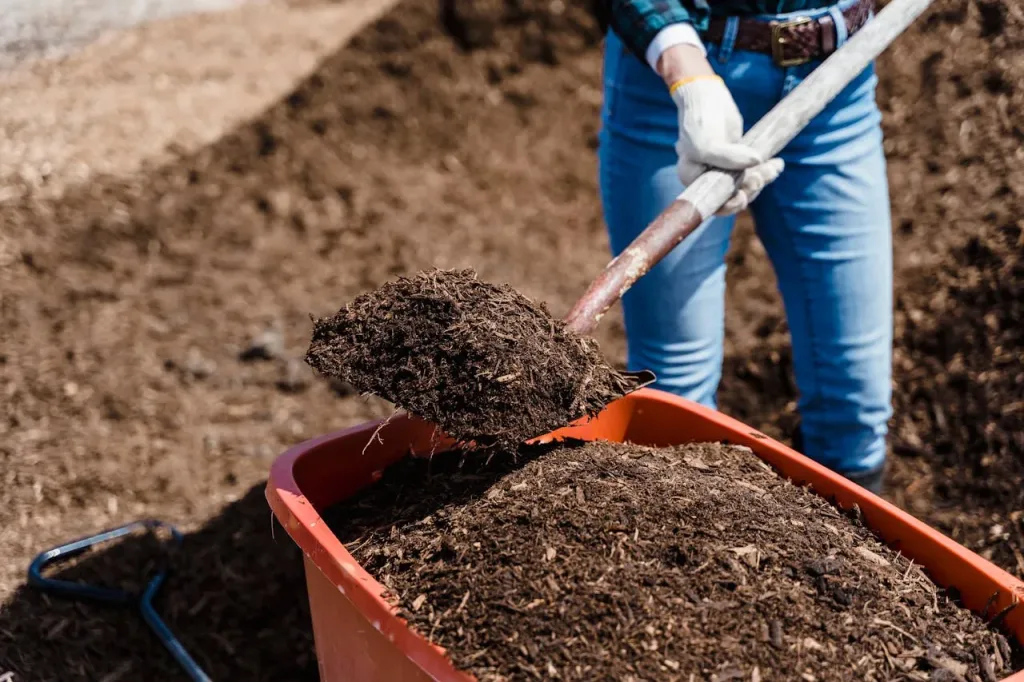
Across the Philippines, more farmers are embracing organic and natural farming — a shift toward sustainability, lower costs, and environmental harmony. Unlike conventional farming that depends on synthetic fertilizers and pesticides, organic farming uses natural processes and locally available resources to nourish crops and restore the soil’s vitality.
The Department of Agriculture (DA), particularly through its MIMAROPA regional office, has led nationwide initiatives to train farmers in making their own organic fertilizers and pest control inputs. These practices, rooted in both Filipino agricultural tradition and Korean Natural Farming (KNF), empower farmers to transform waste into wealth while safeguarding their communities and ecosystems.
The Foundation: Korean Natural Farming (KNF)
Korean Natural Farming, developed by Cho Han Kyu, is now practiced in over 30 countries. It’s built on a simple yet powerful philosophy: nature already provides everything a farmer needs.
Instead of relying on commercial products, KNF teaches farmers to produce essential inputs — such as Fermented Plant Juice (FPJ), Fermented Fruit Juice (FFJ), Fish Amino Acid (FAA), and Calcium Carbonate (CaCO₃) — using indigenous microorganisms (IMOs) and local organic materials.
The result is a closed-loop farming system that lowers input costs, improves soil fertility, and produces healthier crops.
Why the Shift Toward Organic and Natural Farming?
The 2008 global oil crisis tripled the price of chemical fertilizers, forcing farmers to seek alternatives. The DA responded with the Rapid Composting Project and the National Organic Agriculture Program, training farmers to make their own nutrient inputs.
Beyond cost reduction, natural farming offers multiple benefits:
- Restores soil health degraded by years of chemical use
- Reduces groundwater contamination
- Protects human health from pesticide exposure
- Builds community resilience through local input production
In essence, it’s a system that allows farmers to work with nature instead of against it.
Homemade Organic Fertilizers: The Lifeblood of Natural Farming
1. Tea Manure – Nature’s Liquid Fertilizer
A. Traditional Tea Manure
Materials:
- ½ sack decomposed cow, carabao, or horse manure
- 200-liter drum of water
- Small stone or weight
Steps:
- Place manure in a sack and submerge in the drum.
- Cover loosely and ferment for 7 days.
- Use directly or dilute 1:1 with water.
Application:
Apply around the base of plants or spray on leaves during the 30th, 45th, and 60th day after planting. You can also use it to moisten compost piles.
B. Bokashi Tea Manure
Bokashi tea manure combines chicken manure, sugar, and water to create a microbe-rich fertilizer.
Ingredients:
- 1 kg dried chicken manure
- 1 kg brown sugar
- 20 liters of water
Procedure:
- Dissolve sugar in water.
- Soak the chicken manure in the solution.
- Cover and ferment for one week.
- Apply as a foliar spray or soil drench.
2. Fermented Plant Juice (FPJ)
FPJ is made by fermenting fast-growing plants like banana trunks or kamote vines, which contain natural hormones that boost plant growth.
Ingredients:
- 1 kg chopped banana trunk
- 1 kg brown sugar
Steps:
- Mix and pack in a net bag.
- Weigh down and cover lightly.
- Ferment for 5–7 days.
- Strain and store.
Application:
Use 3 tablespoons FPJ per gallon of water as a foliar spray or soil drench weekly.
3. Fermented Fruit Juice (FFJ)
FFJ is best applied during the flowering and fruiting stage. It enhances fruit flavor and sweetness.
Ingredients:
- Ripe fruits (banana, papaya, pineapple, watermelon)
- Raw sugar or molasses
Steps:
- Chop fruits and mix 1:1 with sugar.
- Ferment 7–10 days.
- Strain and store.
Application:
Spray 1–2 teaspoons per liter of water on fruit-bearing plants.
4. Fish Amino Acid (FAA)
FAA provides nitrogen for vigorous leaf growth.
Ingredients:
- Fish entrails or scraps
- Molasses or brown sugar
- Optional: LABS
Procedure:
- Mix equal parts fish and sugar.
- Add LABS to reduce odor.
- Ferment for 14 days.
- Strain and store.
Use:
Dilute 1–2 tbsp per liter of water and apply weekly as a foliar or soil drench.
5. Calcium Carbonate (CaCO₃) from Eggshells
This provides calcium to improve fruit quality and strengthen cell walls.
Procedure:
- Roast shells until black.
- Crush into powder.
- Mix with natural vinegar (5–10 parts).
- Wait 7–14 days until bubbling stops.
- Strain and store.
Application:
Spray 1–2 tbsp per liter during flowering for better fruit set.
Composting: Turning Waste into Organic Gold
Composting transforms plant and animal residues into a nutrient-rich soil conditioner.
Basic Method:
- Alternate layers of dry materials (rice straw, leaves) and green materials (manure, vegetable waste).
- Add 1 inch of soil per layer.
- Moisten with water or tea manure.
- Turn every 2–3 weeks.
After 2–3 months, compost turns dark, crumbly, and earthy — ready to feed the soil.
Lactic Acid Bacteria Serum (LABS): The Natural Probiotic
LABS improves nutrient absorption and strengthens plant and animal health.
Procedure:
- Fill half a jar with rice wash; cover loosely.
- Ferment for 5 days.
- Mix 1 part of it with 10 parts milk.
- Ferment again for 5–7 days.
- Strain and store.
Usage:
Mix 3 tbsp per gallon of water. Use as compost activator, soil drench, or livestock supplement.
Green Manure: Growing Fertility Naturally
Leguminous crops like mung bean, soybean, peanut, velvet bean, and cowpea fix nitrogen in the soil. Farmers plow them under before flowering to improve fertility and prevent erosion.
Charred Rice Hull (Biochar): The Farmer’s Black Gold
Biochar enhances soil aeration, water retention, and microbial activity.
How to Make:
- Place rice hulls around a wire mesh chimney in a metal drum.
- Light the fire and let it smolder slowly.
- Cool and store when hulls turn black but not ashy.
Use as soil conditioner or compost enhancer.
Natural Pest Control: Safe and Effective
Filipino farmers are replacing harmful pesticides with natural plant extracts:
| Solution | Targets | How to Prepare |
|---|---|---|
| Neem Extract | Beetles, aphids, weevils, diamondback moths, stem borers, armyworms, nematodes, mites, grasshoppers, rice and corn borers, leafhoppers, termites, leaf miners, fruit flies, and many others. | Soak 50g crushed neem seeds overnight; strain and spray. |
| Chili Spray | Caterpillars, aphids | Mix 25 crushed chili peppers in 1 gal water with mild soap. |
| Marigold Extract | nematodes, green leaf hopper, diamondback moth | Soak chopped marigold overnight; strain and spray. |
| Garlic Solution | Fungal infections | Boil 1 bulb garlic in 1L water; cool, strain, spray. |
| Onion Spray | Bacterial diseases | Soak 1kg onion in 7L water overnight; strain and spray. |
| Madre de Cacao Extract | Cutworms, flies, plant hopper | Crush leaves and stems; mix with water and spray. |
These homemade repellents are non-toxic, biodegradable, and protect beneficial insects.
Real-World Applications in the Philippines
1. Organic Banana Production (Davao and South Cotabato)
Cooperatives like Sibulan Organic Banana Growers Multi-Purpose Cooperative (SOBAGROMCO) in Davao and Sta. Teresita MPC in South Cotabato successfully maintain fertile soils using fermented farm inputs. Their nutrient program includes compost, vermicompost, and regular soil drenching with FAA, FPJ, FFJ, and IMO. This system supports continuous harvests without chemical fertilizers.
2. Organic Pineapple Farming
Growing the export variety MD-2 pineapple organically is challenging, yet Filipino farmers have developed effective methods. By combining banana-based FPJ, lemongrass, and sunflower extracts, they manage nutrients and pests naturally. The outcome: healthier fruits, richer soil, and lower production costs.
3. Organic Vegetables (Negros Island)
The Negros Island Sustainable Agriculture and Rural Development Foundation (NISARD) leads local initiatives in producing organic lettuce, tomatoes, beans, and herbs. Farmers use FPJ, FFJ, and CaCO₃ solutions to maintain soil fertility and pest resistance — proving that organic farming is both sustainable and profitable.
4. Bayawan City’s Local Production Model
In Bayawan City, Negros Oriental, the local government produces and sells organic farm inputs like FPJ, FFJ, FAA, and CaCO₃ at just ₱50 per liter. They convert market waste — vegetable trimmings, overripe fruits, and fish scraps — into valuable farm inputs, creating jobs while reducing landfill waste.
5. Surallah, South Cotabato
Supported by the Don Bosco Foundation for Sustainable Development (DBFSDI), Surallah farmers integrate KNF and Biodynamic Farming. They practice Agnihotra, an ancient fire ritual believed to purify the environment, alongside the use of fermented farm inputs. This blend of science and spirituality nurtures both soil and soul.
The Value and Future of Organic and Natural Farming
Organic and natural farming is not just about avoiding chemicals — it’s about building life back into the land. It regenerates the soil, produces safe food, and empowers farmers through self-sufficiency.
Key Benefits:
- Improved soil fertility and structure
- Healthier produce free from chemical residues
- Lower production costs through local inputs
- Sustainable yields for future generations
As the Philippines embraces these practices, organic and natural farming becomes not only a method but a movement — one that heals the land and uplifts rural communities.
Conclusion: Growing the Future, Naturally
Making your own organic fertilizers and natural pest solutions isn’t just practical—it’s transformative. Every jar of fermented plant juice or compost pile represents a farmer’s independence, creativity, and commitment to sustainability.
By blending traditional wisdom, scientific research, and community cooperation, Filipino farmers are proving that profitable, sustainable, and nature-friendly agriculture is not only possible — it’s the way forward.
Organic and natural farming is more than a system.
It’s a promise — to the soil, to the farmers, and to the generations yet to come.