


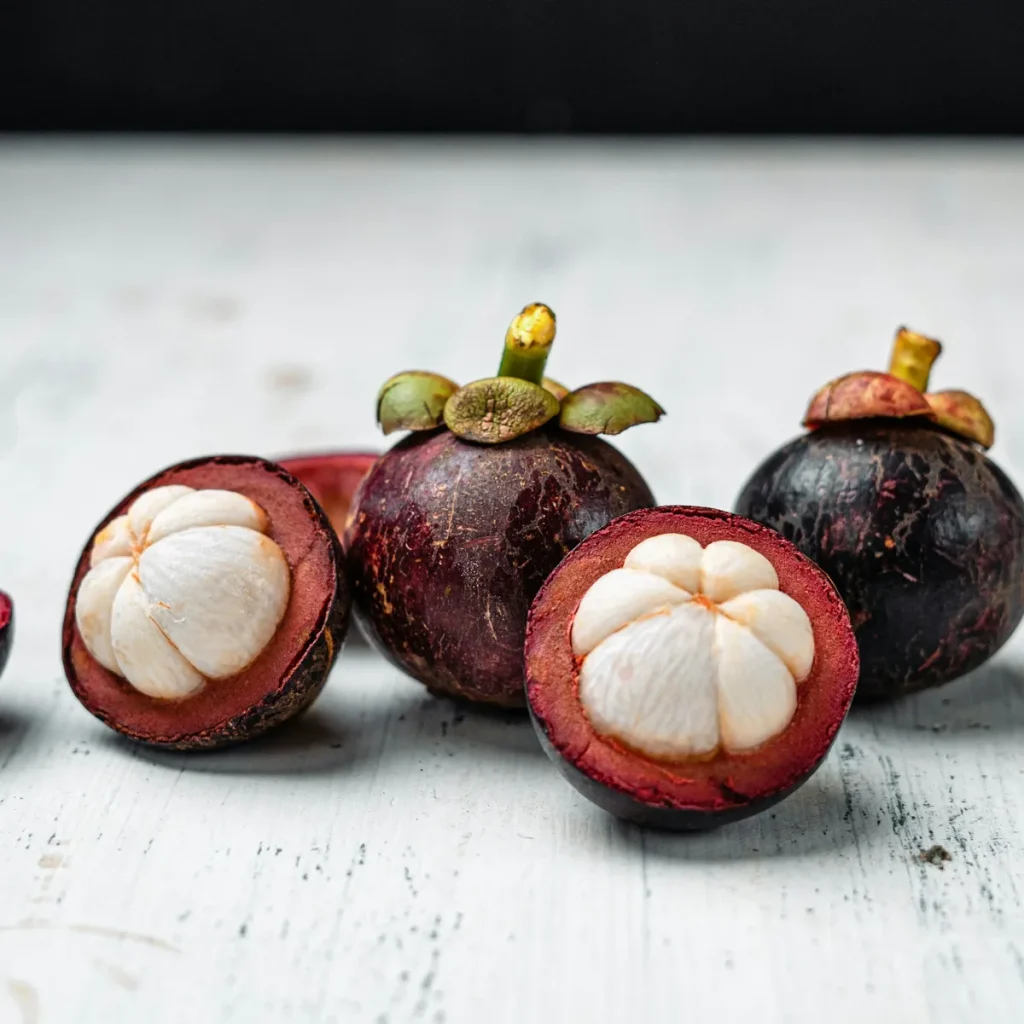
(Updated) Mangosteen (Garcinia mangostana L.) is renowned for its exquisite flavor and numerous health benefits, making it one of the most highly valued tropical fruits. Traditionally grown in Southeast Asia, mangosteen has long been a staple of Filipino agriculture. However, cultivating this coveted fruit has posed challenges due to its slow growth cycle, with trees often taking 8 to 15 years to bear fruit. In recent years, grafted mangosteen has emerged as a groundbreaking solution, accelerating fruit production and improving overall tree resilience. This article explores the advantages of grafted mangosteen, its role in off-season production, and how it is revolutionizing the Philippine mangosteen industry.
What is Grafted Mangosteen?
Grafted mangosteen involves joining a young mangosteen scion (the fruit-producing portion) to a robust, disease-resistant rootstock. The resulting hybrid tree benefits from the rootstock’s hardiness and the scion’s high-quality fruiting capabilities. This technique enables mangosteen trees to start bearing fruit much earlier, often within 3 to 5 years, compared to the typical 8 to 15 years required for seed-grown trees. The practice has gained attention for its ability to produce healthier, more productive trees with quicker returns for farmers.
Advantages of Grafted Mangosteen Over Traditional Mangosteen Trees
- Faster Fruit Production: Grafted mangosteen trees are capable of fruiting in just 3 to 5 years, significantly reducing the time it takes for farmers to begin profiting from their crops compared to seed-grown trees, which take much longer to mature.
- Improved Disease Resistance: Grafted trees are more resilient to common mangosteen pests and diseases like anthracnose and bacterial leaf sheath. By using rootstocks that are naturally resistant to these issues, grafted mangosteen offers enhanced protection against threats that could otherwise harm the crop.
- Higher Yield and Consistency: Grafted mangosteen trees generally produce larger and more consistent yields, resulting in a more reliable source of income for farmers. These trees are often more vigorous, providing both quantity and quality in their harvests.
- Adaptability to Diverse Conditions: Grafting allows for the selection of rootstocks that can thrive in a variety of environmental conditions, making grafted mangosteen a viable crop in areas with less-than-ideal soil or fluctuating weather patterns.
High-yield Mangosteen Varieties:
1. Kampong (or KKM) Mangosteen
- Overview: Originating from Thailand, the Kampong variety is known for its early fruiting, making it a popular choice for farmers looking to achieve a faster return on investment. It is among the most widely grown varieties in Southeast Asia.
- Yield: This variety can start fruiting within 3 to 4 years when grafted, compared to 8 to 15 years for seed-grown mangosteen. The tree produces a good quantity of medium-sized fruits with a deep purple rind and sweet, tangy pulp.
- Adaptability: Kampong mangosteen is adaptable to a range of climates in the Philippines and is suited for cultivation in regions like Davao, Mindanao, and other tropical areas with adequate rainfall and well-drained soil.
2. Pahang Mangosteen
- Overview: Pahang mangosteen, a variety developed in Malaysia, is known for its large fruit size and sweet, aromatic flavor. This variety is especially prized for its high yield and consistent production.
- Yield: Pahang mangosteen trees are capable of bearing fruit early (4 to 6 years for grafted trees), and their productivity increases as the trees mature. They typically produce larger fruits compared to other varieties, which can fetch a higher price in the market.
- Adaptability: Pahang is highly resilient to pests and diseases, making it ideal for Philippine farms that may experience fluctuating environmental conditions. It thrives in warm, humid climates and fertile, well-drained soils.
3. Makopa Mangosteen
- Overview: Makopa mangosteen is a variety that’s known for its high-quality fruit and relatively high productivity. It produces medium-sized fruits with a vibrant purple rind and sweet, juicy segments.
- Yield: This variety is well-regarded for its consistent and substantial yields, especially when grafted. Trees can start producing fruit in 4 to 5 years, and the fruit yield is relatively high for a variety that also adapts well to varying climates.
- Adaptability: Suitable for cultivation in various regions of the Philippines, especially in areas with adequate rainfall. Makopa mangosteen is resistant to many common diseases, making it a good choice for farmers who are concerned with plant health.
4. Mindanao (Local Variety)
- Overview: The Mindanao variety is native to the Philippines and widely cultivated in the southern part of the country. This variety is prized for its traditional taste and high-quality fruit, although its yield can be less predictable than other hybrid varieties.
- Yield: Although not as fast-growing as grafted varieties, Mindanao mangosteen is known for its long-lasting production cycles. With proper care, these trees can yield consistently, though it typically takes around 7 to 10 years for fruit-bearing to begin.
- Adaptability: As a local variety, it is well-adapted to the Philippine climate, particularly in Mindanao, where it is traditionally grown. Farmers prefer this variety for its established resilience and the fruit’s superior quality.
How Grafted Mangosteen Farming Works
The grafting process is relatively straightforward, though it requires precision and skill. Here’s a quick breakdown of the key steps involved:
- Selecting the Right Rootstock: The rootstock serves as the foundation for the mangosteen tree, providing the necessary nutrients and stability. Farmers choose rootstocks that are resistant to diseases and pests while being well-suited to the local growing environment.
- Preparing the Scion: The scion is the upper part of the mangosteen tree that produces the fruit. The scion is carefully selected from a mature tree known for its desirable fruit qualities.
- Grafting the Scion and Rootstock: The rootstock and scion are carefully joined through a grafting method, with the cut surfaces of both parts aligned to facilitate a successful union. After grafting, the tree is typically secured with grafting tape or other materials to ensure proper fusion.
- Healing and Growth: After grafting, the tree is placed in a controlled environment where it can heal and begin to grow. As the scion and rootstock fuse together, the tree begins to benefit from the combined strengths of both parts.
- Transplanting to the Field: Once the graft has healed, and the tree shows signs of healthy growth, it is ready for transplanting into the field. Proper soil preparation and spacing are essential to ensure successful growth.
Economic Benefits of Grafted Mangosteen
The introduction of grafted mangosteen has brought about a significant shift in the Philippine agricultural landscape. With the growing demand for mangosteen both locally and internationally, grafted trees are providing farmers with an efficient way to meet that demand. The ability to harvest fruit sooner reduces the waiting time and offers a faster return on investment.
Additionally, grafted trees tend to be more resilient, reducing the risks of crop loss due to disease or pest outbreaks. These trees are also well-suited to adapt to changing climates and can be grown in areas with suboptimal soil quality, broadening the potential growing regions for mangosteen.
Grafted mangosteen is particularly lucrative during off-season months. The fruit’s peak season typically runs from August to September, with prices falling when supply is abundant. However, through grafted mangosteen and induced off-season production techniques, farmers can take advantage of higher demand and higher prices when mangosteen is scarcer, particularly between December and February. Off-season mangosteen has been known to fetch up to ten times the price of regular-season fruit, making it a profitable investment.
Off-Season Mangosteen Production: A Game Changer
One of the most significant advancements in grafted mangosteen farming is the ability to produce fruit outside its natural growing season. Researchers in the Philippines have developed innovative methods to induce flowering in grafted trees during the off-season. These methods involve using rain shelters made of UV-protected plastic sheeting to create controlled environments that stimulate flowering by mimicking stress conditions like drought.
Additionally, techniques such as pruning, bark ringing, and the application of flower-inducing chemicals like Paclobutrazol have proven effective in promoting off-season flowering and fruiting. As grafted trees mature faster and are more resilient, these techniques can now be applied with greater success, enabling farmers to produce mangosteen throughout the year.
Challenges in Grafted Mangosteen Farming
Despite the many benefits, grafted mangosteen farming does come with its own set of challenges. The grafting process requires skilled labor, which can be an added cost for farmers. Additionally, not all grafts succeed, and poor technique can result in failed unions or poor tree health. As with any specialized farming practice, it’s essential for farmers to be well-trained or to work with experienced grafting experts to ensure success.
Furthermore, while grafted trees are more resistant to diseases and pests, they are still susceptible to environmental stressors like floods and extreme drought. Regular monitoring, proper pest management, and appropriate care are necessary to ensure optimal growth and yield.
Best Practices for Grafted Mangosteen Farming
1. Land Preparation for Grafted Mangosteen
Proper land preparation is a critical step in establishing a thriving grafted mangosteen farm. This process ensures that the trees have the optimal environment for healthy growth and development. The following steps should be taken:
- Clearing and Soil Preparation: Start by clearing the land of tree stumps, rocks, weeds, and any debris that could hinder root development. Afterward, plow and harrow the soil to loosen it, ensuring that the soil texture is fine and well-drained. Mangosteen trees thrive in fertile, well-draining soil, so amending the soil with organic matter, such as compost or farm manure, is recommended.
- Spacing for Optimal Growth: Since grafted mangosteen trees grow more vigorously and quickly than seed-grown trees, spacing is crucial. For grafted trees, it’s ideal to maintain a distance of 8 to 10 meters between each tree. This provides ample room for the roots to spread out and the canopy to develop without overcrowding, allowing for better airflow, sunlight exposure, and nutrient uptake.
- Soil pH and Fertility: Mangosteen trees prefer slightly acidic soils with a pH level ranging from 5.5 to 6.5. Conducting a soil test before planting is advisable to ensure that the soil conditions are favorable for mangosteen growth. If necessary, soil amendments can be added to adjust the pH and nutrient levels.
2. Grafted Mangosteen Seedling Care
The success of grafted mangosteen farming starts with the careful cultivation and nurturing of healthy seedlings. Grafting is typically done using a high-quality scion (the top portion of the tree) and a robust rootstock, both chosen for their ability to thrive in local conditions.
- Grafting Process: Grafting should be performed by experienced horticulturists or farmers familiar with the technique. A common method is the cleft grafting or whip-and-tongue grafting, which joins a young scion to a rootstock that is hardy and disease-resistant. Proper grafting is essential, as it ensures that the scion will grow well and produce fruit earlier than seed-grown trees.
- Seedling Development: Once grafted, the young plants are usually grown in seed boxes or pots under partial shade to protect them from the sun’s intensity. These seedlings are kept in a controlled environment until they reach about 30 cm in height. The growth of grafted seedlings is generally faster than that of ungrafted trees. They should be regularly watered and cared for to ensure they grow strong roots and a healthy structure.
- Transplanting: After 12 to 18 months, grafted seedlings can be transplanted into the field. The ideal time for transplanting is during the rainy season, as this provides natural irrigation, helping the seedlings establish strong roots. Before transplanting, ensure that the soil is well-prepared, and the planting holes are adequately sized (typically 0.6m x 0.6m x 0.6m). This will give the roots space to grow and establish themselves.
3. Watering and Irrigation
Water management is crucial for grafted mangosteen trees. Although these trees thrive in humid, tropical environments, excessive water or poor drainage can lead to root rot. Here’s how to manage water needs effectively:
- Consistent Moisture: Mangosteen trees require consistent moisture, particularly during their early stages of growth. However, they are highly susceptible to waterlogging. To avoid this, ensure that the soil is well-drained and that the tree roots are not sitting in stagnant water. It’s important to check for signs of water accumulation after heavy rain and take steps to improve drainage if necessary.
- Irrigation Systems: In areas where rainfall is irregular, supplemental irrigation is essential, particularly during dry periods. Drip irrigation systems are ideal for mangosteen, as they provide a steady supply of water directly to the tree’s roots without wetting the foliage. This helps reduce the risk of fungal diseases and water stress.
- Mulching: Mulching around the base of the tree helps retain moisture in the soil, especially during dry spells. Organic mulches such as straw, grass clippings, or coconut husks are beneficial, as they also help improve soil fertility as they decompose.
4. Fertilization for Healthy Growth
Fertilization is key to ensuring that grafted mangosteen trees grow healthily and produce high-quality fruits. Since grafted trees tend to grow faster, they have higher nutrient requirements. Here’s how to manage fertilization:
- Organic Fertilizers: Organic fertilizers such as compost, farmyard manure, or organic chicken dung are highly recommended for mangosteen trees. These organic sources provide essential macro and micronutrients to promote root development, fruit production and overall plant growth.
- Nitrogenous Fertilizers: Young grafted mangosteen trees may benefit from nitrogenous fertilizers in the early stages of growth to encourage vegetative growth. However, excessive nitrogen can lead to excessive leaf growth at the expense of fruiting. Once the trees mature, focus on a balanced fertilization approach, adding nutrients in alignment with the tree’s growth stages.
- Application Method: Fertilizers should be applied around the tree’s canopy, not directly on the trunk. This allows the roots to absorb the nutrients effectively. It’s also essential to apply fertilizers in split doses, with higher amounts given during the rainy season when nutrient uptake is maximized.
5. Pest and Disease Management
While grafted mangosteen varieties tend to be more resilient than non-grafted varieties, pest and disease management remains an important part of care. Common pests and diseases that affect mangosteen trees include:
- Pests: Mangosteen trees are prone to pests such as mites, aphids, mealybugs, and scale insects. These pests can cause damage to leaves, stems, and fruit, reducing the quality and yield. Regular monitoring of trees and the use of organic or chemical insecticides when necessary can help keep these pests in check.
- Diseases: Common diseases affecting mangosteen trees include anthracnose, a fungal disease that causes fruit and leaf spots, and bacterial leaf sheath, which can lead to wilting and dieback. To manage these diseases, it’s important to maintain good hygiene on the farm, such as removing infected plant material and using fungicides or bactericides as needed.
- Integrated Pest Management (IPM): Farmers can implement IPM strategies, which combine cultural, biological, and chemical methods to control pests and diseases. This includes proper spacing to reduce humidity and encourage airflow, as well as introducing beneficial insects like ladybugs to control aphids.
Harvesting of Grafted Mangosteen: A Detailed Guide
Harvesting mangosteen at the right time is crucial to ensure the fruit is of the highest quality, both in taste and appearance. Grafted mangosteen trees, which bear fruit earlier than seed-grown varieties, also require careful attention during harvest to maximize the yield and avoid damage. Below is a comprehensive guide on how to properly harvest mangosteen to achieve optimal results.
1. Determining the Right Harvest Time
One of the most important factors in harvesting mangosteen is knowing the right time to pick the fruit. Mangosteen should be harvested when fully ripe to ensure it has developed its characteristic sweet and tangy flavor, as well as its juicy, white arils.
- Ripe Mangosteen Indicators:
- Rind Color: The outer rind of mangosteen changes from dark purple to a deeper, more vibrant shade when fully ripe. The rind should appear firm and smooth, without being overly wrinkled or cracked.
- Slight Softness: Gently squeeze the mangosteen to check for slight softness, particularly at the top near the crown. While the fruit should not be mushy, it should yield slightly to pressure, indicating ripeness.
- Sound Test: Another method involves tapping the fruit lightly. Ripe mangosteen produces a slightly hollow sound when tapped, signaling that the inner arils have developed fully.
- Avoid Harvesting Too Early: If harvested too early, mangosteen will not reach its full flavor potential and may have a sour or astringent taste. Additionally, unripe fruit will have a firmer texture and can spoil prematurely.
2. Proper Harvesting Techniques
Grafted mangosteen trees often bear fruit within 4 to 5 years of planting, with fruit usually taking about 5 to 6 months to ripen after flowering. When it’s time to harvest, the following techniques should be employed to avoid damaging the fruit or the tree:
- Handpicking: Mangosteen should always be handpicked to prevent bruising and damage to the fruit. Using sharp pruning shears or a fruit harvester tool with a long handle can make the process more efficient, especially for trees that are taller or more difficult to reach.
- Avoid Pulling: Never pull the fruit off the tree by hand, as this can cause the rind to tear or the fruit to fall prematurely. Instead, cut the fruit’s stem close to the fruit with care, leaving a small portion of the stem attached to avoid crushing the fruit.
- Avoid Overhandling: Mangosteen fruits have a delicate rind, so they should be handled gently during harvesting and after. Careful transport and packaging will prevent damage that could lead to faster spoilage or loss of quality.
3. Harvesting Season and Frequency
The harvesting season for mangosteen varies depending on the region and whether the fruit is produced during its peak season or off-season.
- Peak Season: In regions like Davao, the peak harvest season for mangosteen typically runs from August to September, coinciding with the rainy season. During this period, the availability of mangosteen is abundant, and the price is generally lower due to the high supply.
- Off-Season Harvesting: For grafted mangosteen, the off-season harvest can be induced by using techniques such as rain shelters or flower induction chemicals. During this time, fruit is scarcer, and prices can rise dramatically, making the harvest of grafted mangosteen highly profitable. Off-season mangosteen may be harvested between December and February, depending on when the induced flowering occurs.
4. Post-Harvest Handling and Storage
After harvesting, proper handling and storage are essential to maintain the quality of mangosteen. The fruit’s delicate rind can easily become damaged, so it’s vital to take precautions when storing and transporting.
- Storage Conditions: Mangosteen is best stored in a cool, dry place with good ventilation. If refrigeration is available, it can extend the shelf life of the fruit for up to two weeks. However, mangosteen should not be stored in an airtight container, as it requires airflow to prevent moisture buildup, which can lead to mold growth.
- Packaging: When preparing mangosteen for sale or transport, pack the fruit carefully in crates or boxes lined with soft materials like straw or newspaper to cushion the fruit and prevent bruising. For long-distance transport, it may be beneficial to use refrigerated trucks to preserve the fruit’s freshness.
5. Post-Harvest Processing
While mangosteen is most commonly sold fresh, it can also be processed into various value-added products to enhance its marketability and shelf life.
- Juices and Extracts: Mangosteen is often used in the production of juices, smoothies, and dietary supplements due to its high antioxidant content. The rind, which contains beneficial compounds like xanthones, can also be used to produce extracts for health supplements.
- Drying: Another way to preserve mangosteen is by drying the fruit. This can be done by slicing the fruit and using a dehydrator or traditional sun drying. Dried mangosteen can be stored for extended periods and sold as a snack or ingredient in various recipes.
6. Handling Overripe Fruit
It’s important to remove overripe or damaged fruit from the tree to maintain the health of the tree and prevent any rot from spreading to nearby fruits. Overripe mangosteen can be composted or used for value-added products such as jam or syrup.
Conclusion: A Bright Future for Grafted Mangosteen in the Philippines
Grafted mangosteen represents a new era for Filipino farmers, offering a solution to the slow growth cycle and providing a pathway to higher profits. The ability to produce fruit sooner, coupled with advanced off-season production techniques, ensures that mangosteen remains a lucrative crop year-round. As demand continues to grow both locally and globally, grafted mangosteen is set to play a pivotal role in shaping the future of Philippine agriculture, offering farmers both stability and opportunity.
need some seedling to plant. pls call ar txt 09433101080 quezon province area po sana ang supplier ng seedling.
sarap!!!!
Good day!! Sir I have Mangosteen seedlings 3 feet to 4feet height ready for planting. here in Quezon province php 300 to 400 per seedlings.
sir pls call or txt me. 09433101080 need some seedling of mongosteen. i live in sta rosa but palnning to plat in our province catanuan quezon.
San po particular sa mindanao pwede bumili ng seedlings nito. Thanks
hi sir,
are u interested to buy and sell mangosteen fruits?
we have about 3K kilo's ready for shipment from our province to manila.
kindly contact us:
mike almen- 09074161562
aries punzalan- 09229320937
hi sir,
are u interested to buy and sell mangosteen fruits?
we have about 3K kilo's ready for shipment from our province to manila.
kindly contact us:
mike almen- 09074161562
aries punzalan- 09229320937
Please advice if tou have seedling i wanted to buy 500pcs
mahal ang kilo nyan dito sa Manila, lagi walang buto ang nabibili ko hehehe…
dito sa amin sa mindanao kadaming seedlings as well as the plants ang dami. . .
malamang malki nakuha mo hahahahahha
wow don artem pag namunga bili ako hehehehehe…
I would like to plant (Mangosteen and Marang). Where do I buy, I am here in Pasig City.