


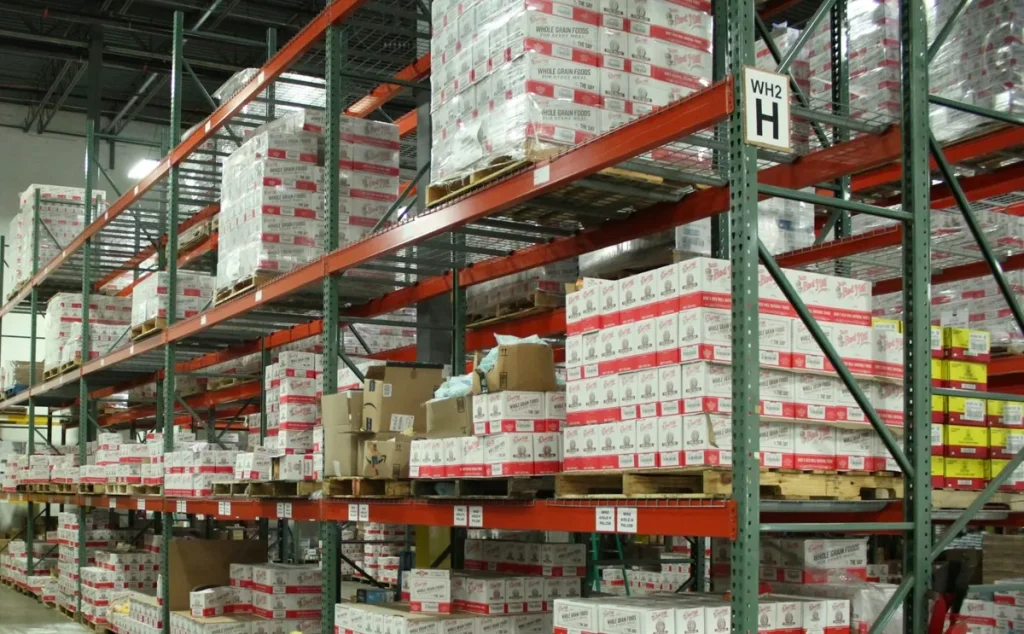
AI-Driven Inventory Management Systems are transforming the way small and medium-sized enterprises (SMEs) handle stock. For many businesses, inventory is both an asset and a challenge—overstocking locks up capital in unsold goods, while stockouts mean missed sales and unhappy customers. Traditional spreadsheets or manual tracking can’t keep pace with today’s fast-moving markets. With AI-driven tools that analyze sales patterns, predict demand, and automate stock decisions, SMEs can cut costs, prevent losses, and keep customers satisfied.
What Is an AI-Driven Inventory Management Systems?
An AI-driven inventory management system is a software platform that uses artificial intelligence and machine learning to monitor, forecast, and optimize inventory levels. Unlike traditional systems, AI doesn’t just record stock—it learns from data to make smarter decisions.
Key features include:
- Demand Forecasting – Predicts sales trends using historical data, seasonality, and market insights.
- Automated Reordering – Triggers purchase orders before stock runs out.
- Real-Time Tracking – Syncs across multiple warehouses, branches, or e-commerce platforms.
- Stock Optimization – Balances inventory to prevent overstock and reduce waste.
- Analytics and Reporting – Provides insights into slow-moving items, sales peaks, and profit margins.
Why SMEs Need AI-Driven Inventory Management Systems in 2025
- Avoid Stockouts and Lost Sales
Customers expect items to be available when they shop. AI ensures the right products are in stock at the right time. - Cut Overstock Costs
Overstocking ties up capital and increases storage expenses. AI minimizes this by keeping only the necessary inventory. - Boost Profit Margins
With smarter stock control, SMEs reduce waste and improve cash flow, making their business leaner and more profitable. - Streamline Multi-Channel Sales
For SMEs selling across online stores, physical shops, and marketplaces, AI keeps inventory synced in real time. - Make Data-Driven Decisions
Instead of relying on gut feeling, business owners can trust AI-powered reports and forecasts.
Examples of AI-Driven Inventory Management Systems SMEs Use in 2025
- TradeGecko (QuickBooks Commerce) – Popular for SMEs managing online and offline stock, offering AI-based demand forecasting.
- Zoho Inventory with Zia AI – Automates stock tracking and integrates seamlessly with e-commerce platforms.
- Cin7 – Uses AI-driven analytics to optimize stock levels across global warehouses.
- Unleashed Software – Provides real-time reporting and predictive reordering for growing SMEs.
- Infor CloudSuite – AI-enhanced ERP solution that helps SMEs scale efficiently.
- NetSuite AI Inventory Management – Automates purchasing decisions based on predictive demand analytics.
Step-by-Step: How SMEs Can Adopt AI-Driven Inventory Management Systems Tools
- Assess Current Pain Points
Identify where you’re losing money—overstock, missed sales, or inaccurate tracking. - Select the Right SaaS Platform
Choose a solution that fits your business size, budget, and sales channels. - Integrate Sales and Supply Data
Connect the system with POS, e-commerce stores, and suppliers for accurate forecasts. - Train Employees
Teach staff how to use dashboards, generate reports, and monitor AI recommendations. - Monitor and Adjust
Regularly review performance to fine-tune reorder points and forecasts.
Case Studies: AI-Driven Inventory Management Systems in Action
- A fashion retailer in New York used Cin7 to predict seasonal demand, reducing overstock by 30% and freeing up $50,000 in tied-up cash.
- A Philippine grocery SME adopted Zoho Inventory to sync online and offline sales, cutting stock mismatches by 90%.
- A UK electronics shop integrated TradeGecko for automated reordering, ensuring fast-moving gadgets were never out of stock.
Challenges of AI-Driven Inventory Management Systems for SMEs
- Initial Costs – Subscriptions can range from $50 to several hundred dollars per month.
- Data Quality – AI predictions are only as good as the data provided.
- Training and Change Resistance – Staff may resist switching from manual tracking to AI-driven systems.
- Integration Complexity – Linking multiple sales channels and suppliers may require technical setup.
The Future of AI-Driven Inventory Management Systems
Looking ahead, AI will play an even bigger role in SME stock management:
- IoT Integration – Sensors that track inventory in real time at warehouses and stores.
- Voice Commands – SMEs managing stock by simply asking an AI assistant.
- Predictive Analytics – AI forecasting demand months in advance with greater accuracy.
- Automated Supplier Negotiations – AI contacting suppliers directly when stock runs low.
These advances will make inventory management smarter, faster, and more cost-effective for SMEs worldwide.
Final Thoughts
Inventory is the backbone of any small business. Mismanaging it can lead to wasted capital, poor cash flow, and unhappy customers. In 2025, AI-driven inventory management systems are no longer optional—they are essential tools for growth.
By adopting AI SaaS platforms that automate forecasting, reordering, and reporting, SMEs can reduce errors, lower costs, and maximize profits.
The SMEs that embrace AI-Driven Inventory Management Systems today will be the ones dominating tomorrow’s competitive markets.