

Lubeg (Syzygium lineatum), locally known as Malubeg or Alebadu, is a lesser-known fruit tree that naturally grows in northern regions of the Philippines, particularly thriving in regions like Cagayan Valley and Apayao. A member of the Myrtaceae family, this indigenous tree produces small, deep purple fruits that are rich in antioxidants and vitamin C. Today, this fruit is gaining attention for its potential in both agricultural and food-processing ventures.

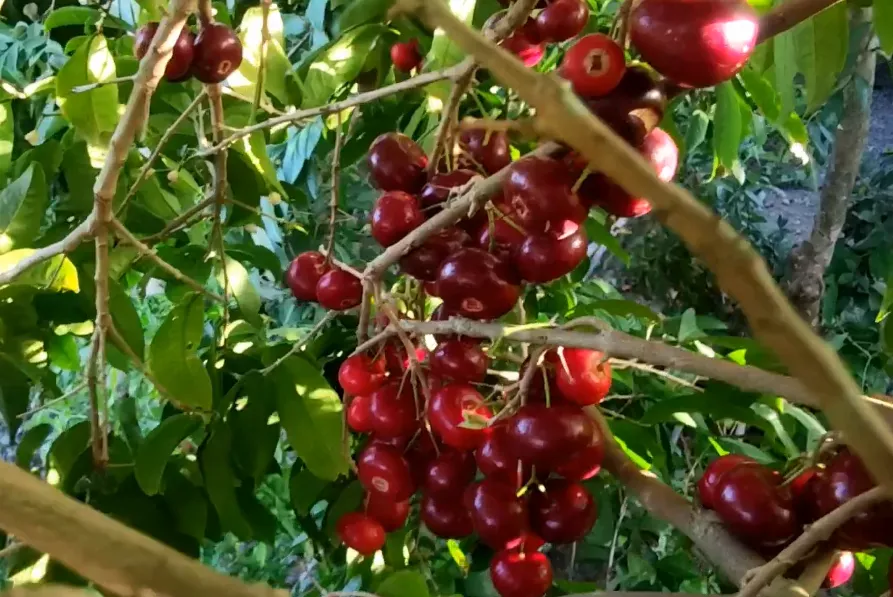
Here’s a detailed care guide for cultivating Lubeg effectively:
Propagation Methods for Lubeg
1. By Seeds
- Most traditional method.
- It may take 3 to 5 years before the tree bears fruit.
- Best started from ripe fruits.
2. By Grafting
- Grafting from a healthy mature tree (scion) onto a strong rootstock is possible.
- Faster fruiting (1–2 years).
- Advantage: Ensures consistent fruit quality and vigor.
3. By Marcotting (Air Layering)
- Suitable for Lubeg, especially if you’re replicating a productive tree.
- Roots typically develop within 3–6 weeks.
- Offers a faster and more predictable method of propagation.
Growing Conditions and Fertilizer Needs
Soil and Location
- Soil Type: Well-draining loamy soil rich in organic matter.
- pH Range: 5.5–6.5
- Location: Full sun, elevated areas that do not flood.
Fertilizer Recommendations
For Young Trees (0–1 year):
- Organic compost or vermicast: 3–5 kg per planting hole.
- Complete Fertilizer (14-14-14): 100–150g every 3 months.
For Fruit-Bearing Trees (2+ years):
- Urea (46-0-0): 100g per tree every 4 months to boost growth.
- Organic fertilizer: Apply yearly, especially before the rainy season.
- Potassium fertilizer (e.g., 0-0-60): Enhances fruit size and sweetness.
Tip: Use mulch such as dried grass or rice straw to conserve soil moisture and suppress weeds.
Common Pests and Diseases
Pests:
- Aphids and Mealybugs – Suck sap from leaves and young shoots.
- Solution: Spray with neem oil or mild dish soap solution (1 tbsp per liter of water).
- Fruit Borers – Bore holes into fruits, causing spoilage.
- Solution: Harvest fruits promptly and use light traps at night.
Diseases:
- Anthracnose (fungal disease) – Causes black spots and rotting of fruits or leaves.
- Solution: Use copper-based fungicide every 10–14 days, especially in wet seasons.
- Leaf Spot – Brown or black patches on leaves.
- Solution: Remove affected leaves and apply a suitable fungicide.
Care and Maintenance Tips
- Regular pruning – Prevent overcrowding of branches, improve airflow and sunlight penetration.
- Weeding – Keep the base of the tree free from weeds.
- Watering – Especially important in the first year; water 2–3 times a week during dry spells.
Value-Added Products from Lubeg
The versatility of Lubeg makes it an excellent candidate for processing into a variety of marketable products. Here are several value-added products that can be made from the fruit:
- Lubeg Wine – A fermented alcoholic beverage made from ripe Lubeg fruits with a unique, tangy-sweet flavor.
- Lubeg Vinegar – A natural vinegar derived from fermented Lubeg juice, ideal for cooking or as a health tonic.
- Lubeg Jam – A sweet spread perfect for bread, pastries, or as a dessert topping.
- Lubeg Jelly – A gelatinous fruit preserve made from Lubeg juice, often combined with sugar and pectin.
- Lubeg Juice – A refreshing and tangy drink made from fresh or pasteurized Lubeg extract.
- Lubeg Concentrate – A thickened syrup used for beverages, toppings, or further food processing.
- Lubeg Pastillas or Candies – Sweet confections that make use of the fruit’s distinctive flavor.
- Lubeg Tea (from leaves) – A herbal tea made from dried Lubeg leaves, sometimes claimed to have medicinal benefits.
- Lubeg Puree – A semi-liquid form of the fruit ideal for sauces, baked goods, or ice cream flavoring.
- Lubeg Syrup – A sweet and tangy syrup suitable for pancakes, desserts, or cold drinks.
Nutritional and Medicinal Benefits
Lubeg is rich in antioxidants, vitamin C, and other phytonutrients. Traditionally, it has been used for its anti-inflammatory and antimicrobial properties. Its dark purple color is indicative of anthocyanins, which are beneficial for heart health and immunity.
Economic Potential
Lubeg’s wide range of uses makes it a strong candidate for agribusiness development in rural areas. Processing Lubeg into value-added products provides local farmers and communities with income-generating opportunities while promoting biodiversity and sustainable farming practices.
Conclusion
Lubeg is a promising native fruit tree with high potential for value-added products such as jam, juice, wine, jelly, and more. By applying proper propagation techniques like marcotting or grafting, using balanced fertilizers, and managing pests and diseases, farmers can increase yield and profitability. With the right care, Lubeg can become a valuable crop both nutritionally and economically.