

Shawarma is a Middle Eastern-inspired dish that has steadily gained popularity in the Philippines, especially in urban centers. While it is not a traditional Filipino street food like fishballs or kwek-kwek, shawarma has carved out a niche in the quick-service food segment. It’s commonly sold in mall food courts, food kiosks, night markets, and pop-up stalls — appealing to students, office workers, and anyone looking for a flavorful, affordable meal on the go. The growing interest in international cuisine and the rise of food delivery apps have further fueled demand for shawarma, making it a viable business opportunity for aspiring food entrepreneurs.
This article will guide you through the essential steps, from initial capital and materials to recipes, cost analysis, and marketing strategies.

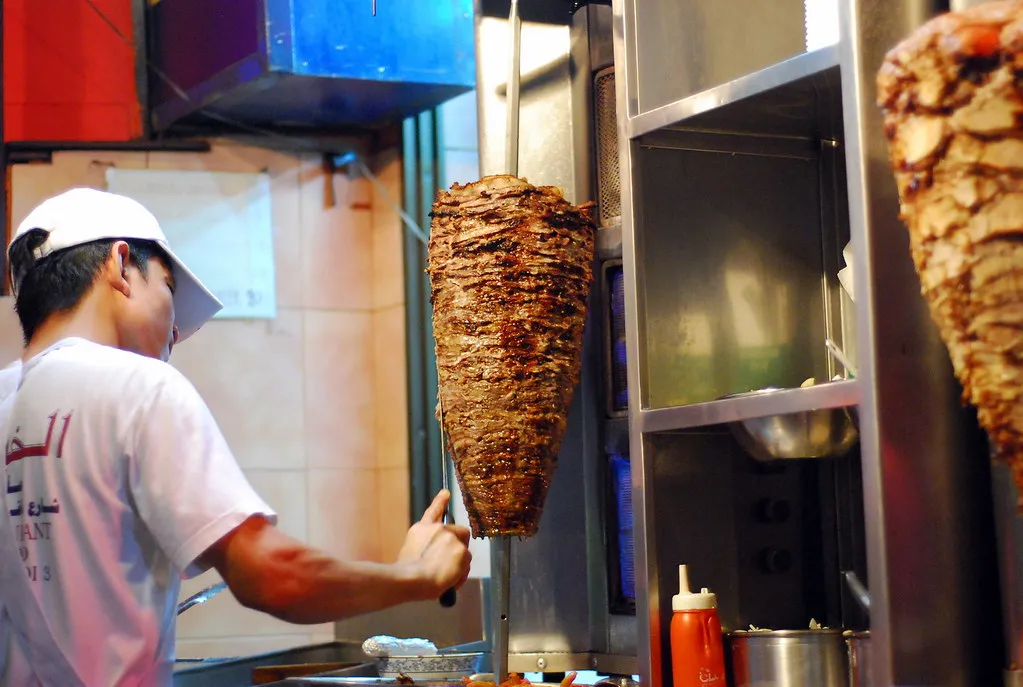
What is Shawarma?
Shawarma is a Middle Eastern dish made with thinly sliced marinated meat (typically beef, chicken, or lamb) grilled on a vertical rotisserie. It is commonly served in pita bread or rolled in flatbread, with vegetables, garlic sauce, and tahini.
Authentic Filipino-Style Beef Shawarma Recipe
Ingredients:
For the Beef Marinade:
- 1 kg beef brisket or sirloin, thinly sliced
- 2 tbsp paprika
- 1 tbsp ground cumin
- 1 tbsp coriander powder
- 1 tbsp garlic powder
- 1 tsp cinnamon
- 1 tsp black pepper
- 1 tsp salt
- 1 tbsp vinegar
- 3 tbsp soy sauce (local adaptation)
- 2 tbsp calamansi juice
- 2 tbsp oil
For the Garlic Sauce (Toum-style shortcut):
- 1 cup mayonnaise
- 1/4 cup plain yogurt
- 5 cloves garlic (minced)
- 1 tbsp sugar
- 1 tsp salt
For Assembly:
- Pita bread or tortilla wraps (available in groceries or local bakeries)
- Fresh vegetables: shredded cabbage or lettuce, cucumber slices, tomato slices, red onions
- Hot sauce or chili garlic sauce (optional)
- Foil or wax paper for wrapping
Instructions:
1. Marinate the Beef:
- In a bowl, combine all marinade ingredients. Mix well.
- Add thinly sliced beef and coat thoroughly.
- Cover and refrigerate for at least 6 hours or overnight for maximum flavor.
2. Cook the Beef:
- Heat 2 tbsp oil in a non-stick pan or skillet.
- Sear the marinated beef over high heat until cooked through and slightly charred.
- Avoid overcrowding the pan to get a nice sear.
- Set aside once cooked.
3. Prepare Garlic Sauce:
- Blend or mix garlic, mayonnaise, lemon/calamansi juice, olive oil, and salt until creamy.
- Chill in the fridge before use.
4. Assemble Your Shawarma:
- Warm the pita bread.
- Place beef strips in the center.
- Add garlic sauce, then top with veggies (lettuce, tomato, cucumber, onions).
- Drizzle with hot sauce if desired.
- Roll and wrap tightly in foil or wax paper.
Pro Tips:
- Use beef sirloin or tender cuts for tenderness.
- For a more authentic touch, try grilling the marinated beef using charcoal for a smoky flavor.
- Shawarma is best served warm and fresh with a side of fries or hummus.
Feasibility Study: Small Beef Shawarma Business in the Philippines
Executive Summary
This feasibility study explores the viability of starting a small beef shawarma food stall in a high-foot-traffic area (e.g., near schools, terminals, markets). Using an authentic yet locally adapted recipe, this business aims to deliver high-quality, flavorful shawarma at an affordable price. The initial investment is modest, and demand is consistent due to the popularity of street food in the Philippines.
Product Overview
Product: Beef Shawarma
Serving Size: Wrap with vegetables and garlic sauce
Selling Price per piece: ₱90 – ₱100 (depending on location)
Target Market: Students, workers, foodies, commuters
Market Analysis
Industry Trend:
- Localized Shawarma Flavors
- Shawarma is increasingly adapted to the Filipino palate with sweet-style garlic sauces, soy sauce in marinades, and local ingredients like tapa-style beef or tocino variants.
- Rising Popularity in Food Carts and Kiosks
- Shawarma remains a go-to item in food parks, kiosks in malls, and public terminals, thanks to its portability and affordability.
- Fusion Shawarma Offerings
- Creative fusion options are growing—such as shawarma rice bowls, shawarma fries, shawarma burritos, and even shawarma-flavored pizza.
- Affordable Meal Alternative
- With increasing food prices, consumers are looking for cheap but satisfying meals. Shawarma wraps priced at ₱60–₱100 offer good value and are thriving in budget-conscious markets.
- Vegan and Chicken Shawarma Options
- More vendors are offering chicken or vegetarian shawarma to cater to diverse dietary needs and health-conscious consumers.
- Social Media-Driven Marketing
- Facebook, TikTok, and Instagram are major platforms for promoting shawarma businesses, with viral food videos boosting local brand recognition.
- Online Ordering and Delivery Integration
- Partnering with GrabFood, Foodpanda, and ToktokFood has expanded the market reach of small shawarma vendors, especially during and after the pandemic.
- Increased Competition
- More micro-entrepreneurs are entering the shawarma market, leading to creative branding and price wars.
- Improved Packaging and Branding
- Vendors now invest in professional packaging, logo design, and brand consistency to attract customers and stand out in saturated markets.
- Expansion into Franchising
- Popular local shawarma stalls are scaling up through franchising, offering aspiring entrepreneurs an easy entry into the business with proven models.
Target Customers:
- Ages 15–45
- Urban residents
- Budget-conscious consumers looking for value and taste
Location:
- Recommended near:
- Schools
- BPO hubs
- Wet markets or public terminals
- Malls with outdoor kiosks
Estimated Startup Costs (Initial Capital)
| Item | Estimated Cost (₱) |
|---|---|
| Food cart or stall setup | 25,000 – 40,000 |
| Shawarma grill/rotisserie | 15,000 – 20,000 |
| Cooking equipment & utensils | 5,000 |
| Freezer or cooler | 10,000 |
| Initial inventory (ingredients, wrappers, condiments) | 8,000 – 10,000 |
| Packaging (foil, wax paper) | 2,000 |
| Permits and licenses | 3,000 |
| Marketing (signage, flyers) | 2,000 |
| Contingency Fund | 5,000 |
| Total Estimated Capital | ₱75,000 – ₱95,000 |
Cost and Profit Analysis (Per Serving)
Ingredients Cost (Per Shawarma Wrap):
| Ingredient | Cost (₱) |
|---|---|
| Beef (100g) | 35.00 |
| Pita bread | 10.00 |
| Garlic sauce | 5.00 |
| Vegetables | 5.00 |
| Foil/wax wrapper | 2.00 |
| Total Cost | ₱57.00 |
Selling Price: ₱90.00
Gross Profit per Wrap: ₱90.00 – ₱57.00 = ₱33.00
Estimated Daily Sales (50 wraps/day): ₱4,500
Daily Gross Profit: ₱1,650
Monthly Net Profit Estimate (25 days):
₱1,650 x 25 = ₱41,250
Business Operations
Manpower:
- 1–2 staff members (owner can manage or hire)
- Optional: Rider for deliveries (partner with GrabFood or Foodpanda)
Operating Hours:
- 10 AM to 9 PM (best for foot traffic)
Marketing Strategy
- Social Media Presence: Facebook and TikTok food content
- Promos: “Buy 1 Take 1” or free drinks for first-time customers
- Packaging: Use well-designed branded wrappers and stickers
- Food Panda / GrabFood Listing – Expand reach through online delivery.
- Loyalty Card: After 10 purchases, 1 free shawarma
Products and Services
- Shawarma Wraps (Beef, Chicken)
- Shawarma Rice
- Shawarma Fries
- Extra Garlic Sauce
- Bottled Beverages
SWOT Analysis
| Strengths | Weaknesses |
|---|---|
| High demand | Competition is tight |
| Affordable startup | Not part of traditional Filipino cuisine |
| Delicious & trendy | Perishable ingredients |
| Opportunities | Threats |
|---|---|
| Expansion into delivery apps | Rising cost of beef |
| Potential to franchise | Changing food trends |
Break-even Analysis
- Break-even point: ~2 to 2.5 months based on 50 wraps/day
- Scalability: High (can expand to multiple stalls or franchising)
Business Registration Requirements
- DTI Business Name Registration
- Barangay Business Clearance
- Mayor’s Permit
- BIR Registration
- Sanitary and Health Permit
Tips for Success
- Use high-quality meat and fresh ingredients to retain customers.
- Maintain consistent taste and presentation.
- Choose high foot traffic areas like near schools, terminals, or commercial zones.
- Offer both spicy and non-spicy variants.
Conclusion
Based on the profitability, demand, and low startup cost, a beef shawarma business is highly feasible in the Philippine setting. With proper execution, quality control, and marketing, the business can reach break-even within a short period and expand through multiple stalls or online delivery partnerships.