


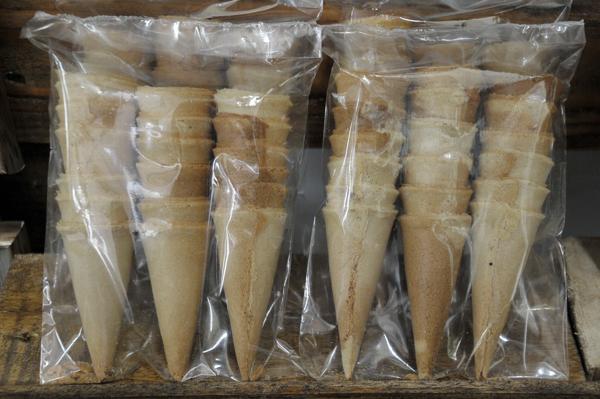
Ice cream has always been the dessert of comfort—cool, creamy, and capable of lifting spirits on the hottest Philippine days. For decades, Filipinos have enjoyed it in countless forms: in cups, with “pan de sal,” or the nostalgic sorbetes sold from colorful carts echoing through the streets. Yet, one element of this indulgence often goes unnoticed—the cone that holds it all together.
Traditionally, ice cream cones are made of wheat and sugar, serving as little more than a vessel for the treat. But a group of innovators from the Department of Agriculture–MIMAROPA (DA-RFO 4B) decided to turn that vessel into something more meaningful. Their creation, the Adlay Sweet Cone, redefines what an ice cream cone can be—a healthier, local, and sustainable alternative that celebrates Filipino ingenuity and agricultural potential.
From Grain to Greatness: The Story Behind Adlay
Adlay (Job’s Tears) is a versatile and nutritious grain native to Asia and now cultivated in several regions of the Philippines. Known for its resilience and health benefits, adlay is increasingly viewed as a climate-smart crop—one that can thrive in varying soil conditions and support food security efforts in rural communities.
The grain is rich in protein, carbohydrates, and dietary fiber, and contains essential vitamins and minerals like calcium, phosphorus, and iron. Studies from the Food and Nutrition Research Institute (FNRI) show that adlay may even help regulate blood sugar and reduce inflammation, making it an excellent alternative to rice and wheat.
Despite its promise, adlay remains underutilized in the Filipino diet. To change this, DA-MIMAROPA launched several initiatives to promote adlay as both a staple and a value-added ingredient for food entrepreneurs.
The Birth of the Adlay Sweet Cone
According to Ms. Lorena B. Mendoza, the Adlay Focal Person at DA-MIMAROPA, the idea came from the team’s growing list of adlay-based innovations.
“We’ve already made adlay cookies, pandesal, champorado, noodles, and even ice cream,” Mendoza recalled. “Then we thought—why not make the cone itself from adlay? That’s how the Adlay Sweet Cone was born.”
The team began experimenting in their local test kitchen, developing a cone that not only looked and felt like a regular one but offered better nutritional value and unique flavor. Their first batches were thicker and crispier than typical cones, with a slightly nutty aroma that complemented the creamy sweetness of ice cream.
The prototype made its debut at the 12th Agriculture and Fisheries Technology Forum and Product Exhibition at SM Megamall in Mandaluyong City. Despite producing only eight packs for display, the Adlay Sweet Cone captured the attention of Mama Sita’s, the well-known Filipino food brand, which bought the entire batch on the spot.
“After that event, Mama Sita’s began ordering for their own exhibitions,” Mendoza said. “That moment validated that our product wasn’t just innovative—it was market-ready.”
What Makes the Adlay Sweet Cone Special
The Adlay Sweet Cone stands out for both its health benefits and sustainability. Traditional ice cream cones are typically made of refined sugar, wheat flour, and tapioca flour—a starch derived from cassava. While tasty, these ingredients offer minimal nutrition.
According to FNRI data, 100 grams of a commercial cone provides about 417 calories, mostly from sugar and refined carbs, and only 1% of the recommended daily intake of iron. Overconsumption of such products contributes to obesity, diabetes, and energy spikes.
By contrast, adlay flour is nutrient-dense and naturally low in sugar. A 100-gram serving contains:
- 365 kcal of energy
- 73.9 g carbohydrates
- 12.8 g protein
- 1.0 g fat
- 25 mg calcium
- 43.5 mg phosphorus
- 5 mg iron
- 4.3 mg niacin
The Adlay Sweet Cone combines adlay flour, wheat flour, brown sugar, and water—no synthetic flavoring or tapioca additives. The result is a crisp, golden cone that’s both healthier and heartier. Even eaten on its own, it delivers a subtly sweet flavor and satisfying crunch that rivals, if not surpasses, commercial cones.
Beyond Taste: Nutrition and Sustainability
The Adlay Sweet Cone does more than satisfy sweet cravings—it also supports sustainable agriculture. By encouraging adlay cultivation, DA-MIMAROPA helps local farmers diversify income sources and reduce reliance on traditional crops like rice and corn, which are more vulnerable to climate change.
Adlay’s resilience means it requires less fertilizer and water, making it suitable for upland areas and low-input farming systems. This aligns with the Department of Agriculture’s broader goal to promote climate-resilient crops and food self-sufficiency in rural regions.
Furthermore, adlay’s growing popularity opens doors for micro, small, and medium enterprises (MSMEs) to venture into agrifood manufacturing—transforming raw produce into value-added goods like flour, snacks, and pastries.
A Business Opportunity in Every Cone
For entrepreneurs and local cooperatives, the Adlay Sweet Cone represents more than just a food innovation—it’s a business model in the making. With the global demand for healthy, plant-based, and gluten-free snacks on the rise, adlay products have immense export potential.
Small businesses can tap into this market by partnering with research institutions or agricultural offices to gain access to adlay flour production and technical know-how. Local pastry shops, ice cream makers, and food processors can also incorporate adlay cones into their offerings to appeal to health-conscious consumers.
DA-MIMAROPA envisions building market linkages through the Agribusiness and Marketing Assistance Division (AMAD) to connect producers with distributors, retailers, and food manufacturers. Plans are also underway to conduct information caravans to promote adlay-based products in schools, fairs, and trade exhibitions.
“Our goal is to help local farmers and processors find sustainable markets,” Mendoza emphasized. “Adlay can be a profitable crop if we continue to innovate and promote its value.”
Recognizing Excellence in Local Food Innovation
A year after its debut, the Adlay Sweet Cone was showcased once again at the 13th National Technology Forum, where it received the distinction of being one of the Best Innovative Products of the year.
This recognition highlights how public-sector innovation can drive grassroots entrepreneurship and support inclusive growth in the agricultural sector. The success of the Adlay Sweet Cone serves as a model for other regional field offices looking to promote indigenous and underutilized crops.
Comparing the Competition: Why Adlay Wins
| Aspect | Commercial Cones | Adlay Sweet Cone |
|---|---|---|
| Main Ingredients | Refined sugar, wheat flour, tapioca | Adlay flour, wheat flour, brown sugar |
| Nutritional Value | High calories, low nutrients | High in protein, fiber, and minerals |
| Shelf Life | 2–3 months | Up to 4 months (with proper storage) |
| Environmental Impact | Uses cassava starch (higher input) | Low-input, sustainable crop |
| Flavor Profile | Sweet and airy | Nutty, crisp, and rich |
| Market Appeal | Conventional | Health-conscious and innovative |
This comparison makes it clear: the Adlay Sweet Cone isn’t just a novelty—it’s a competitive product that offers both nutritional and economic advantages.
The Future of Adlay-Based Food Innovations
The success of the Adlay Sweet Cone demonstrates how Filipino creativity can turn local crops into marketable, world-class products. As the country’s food industry evolves, adlay-based innovations may soon find their way into bakeries, cafés, and health food stores across the nation.
Future developments may include adlay chips, energy bars, breakfast cereals, and even adlay milk, catering to the growing demand for healthier, sustainable food alternatives. With continued support from the government and private sector, adlay could become the Philippines’ next supergrain—nourishing both people and the economy.
A Cone Full of Promise
The Adlay Sweet Cone is more than just a new dessert—it’s a symbol of innovation, resilience, and local pride. It shows how research, creativity, and collaboration can turn an ordinary grain into an extraordinary opportunity.
As climate challenges reshape agriculture, and consumers seek healthier options, the story of the Adlay Sweet Cone reminds us that sometimes, the best innovations come from the simplest ingredients—grown, crafted, and perfected right here in the Philippines.
For inquiries and partnerships:
Ms. Lorena B. Mendoza
Adlay Focal Person, DA-Regional Field Office 4B (MIMAROPA)
Bacenaga, Naujan, Oriental Mindoro
📞 0917-539-9975
📧 damimaropa.researchdiv@gmail.com