


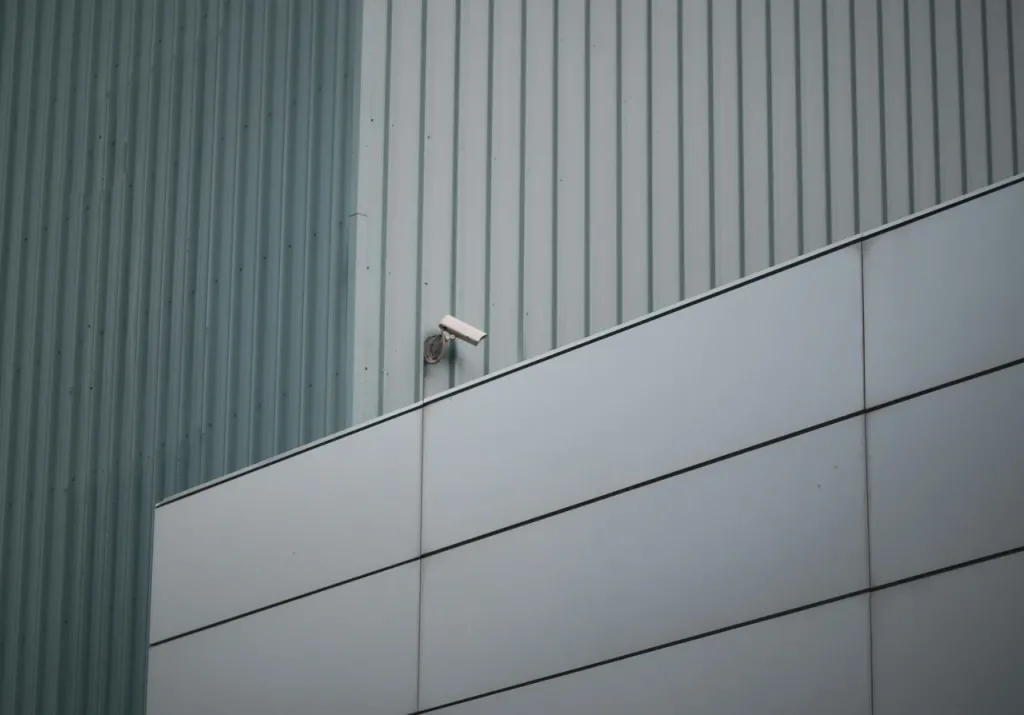
Businesses across many industries are facing an environment where data sensitivity, intellectual property protection, and confidentiality requirements are more demanding than ever. As threats evolve and regulatory expectations tighten, companies are rethinking how they secure their most sensitive conversations and information. What once belonged almost exclusively to government agencies is now emerging as a critical investment for private organizations. Secure facilities designed to prevent unauthorized surveillance or data leakage are becoming essential for companies that manage classified projects, proprietary research, or high stakes negotiations. The result is a growing corporate interest in highly controlled spaces that deliver maximum privacy and protection.
Rising Threats to Confidential Business Information
Confidential business information has always carried risk, but the scale and sophistication of modern threats have heightened the challenge. Corporate espionage, cyber intrusion, and unauthorized surveillance are no longer limited to high profile industries. Even mid sized companies face exposure through connected devices, unsecured communication spaces, and the increasing availability of off the shelf surveillance tools.
Organizations that handle sensitive contracts, mergers, acquisitions, or advanced research need more than firewalls and digital safeguards. Physical space plays an important role in comprehensive protection strategies. Facilities with controlled access, sound isolation, and electromagnetic shielding reduce the risk that competitors or malicious actors could capture valuable information. Companies that work with government partners or defense contracts face additional obligations to prevent security breaches. These threats are driving demand for environments built with precision and robust security features that address both digital and physical vulnerabilities.
Regulatory Pressures and Government Collaboration
Corporate work that intersects with federal agencies or defense related projects often requires strict compliance with established security standards. Many organizations find themselves needing to meet environment specific requirements to participate in certain contracts or partnerships. That requirement often includes access to spaces designed to handle classified information.
This need extends beyond defense contracting. Pharmaceutical partners, aerospace developers, advanced manufacturing companies, and research institutions increasingly collaborate with federal agencies. The confidentiality expectations for these projects can be substantial. As a result, more corporations are choosing to invest in secure environments that support compliance and strengthen their eligibility for future opportunities. Facilities designed through SCIF construction guidelines give companies confidence that their work aligns with government expectations for physical and technical security.
Protecting Intellectual Property in Competitive Industries
Innovation driven industries face constant pressure to safeguard intellectual property. Whether developing new materials, refining technology prototypes, or conducting sensitive testing, companies rely on confidentiality to protect their competitive advantage. Traditional office spaces lack the physical protections needed to support high value projects.
Secure facilities help ensure that research and development work remains shielded from outside observation. Sound attenuation, access control, and electromagnetic protection prevent eavesdropping or signal interception, which is especially important for companies working on emerging technologies. The controlled environment reduces the risk that prototypes or confidential discussions become vulnerable to external threats. For businesses that invest heavily in innovation, secure construction becomes part of their long term strategy to preserve proprietary knowledge.
Strengthening Trust With Clients and Partners
Many clients and partners evaluate a company’s security posture as part of their decision making process. Businesses that manage confidential materials or engage in sensitive negotiations must demonstrate that they can maintain strict privacy. Secure facilities provide visible evidence of a company’s commitment to protecting information.
This level of assurance can strengthen relationships and lead to expanded opportunities. Whether hosting confidential briefings, storing sensitive documentation, or evaluating strategic plans, companies with high security environments offer partners greater peace of mind. This trust is particularly important in industries such as finance, legal services, consulting, and technology where high value data moves across multiple teams. Earning and maintaining confidence becomes easier when clients see that the company invests in advanced physical security.
Enabling Safe Collaboration Across Distributed Teams
Modern business environments rely heavily on global and distributed communication. While this creates efficiency and opportunity, it also increases exposure. Sensitive meetings held in standard conference rooms or virtual settings can inadvertently reveal information to unwanted listeners. Secure environments give companies a controlled space where high level collaboration can take place without fear of interception.
These spaces support confidential planning sessions, strategic reviews, and negotiations. For businesses that routinely engage in discussions requiring discretion, access to a protected environment is essential. As organizational structures grow more complex, the need for secure communication methods grows with them. Controlled facilities allow leadership teams to conduct critical conversations safely and consistently.
Conclusion
As corporate risks and responsibilities expand, secure environments are becoming a central part of modern business strategy. Organizations of all sizes are recognizing that protecting sensitive information requires more than digital solutions. Companies that invest in highly controlled spaces gain stronger protection, improved compliance, and increased trust from clients and partners. In an era where information is one of the most valuable assets a business holds, secure construction is emerging as a necessity for long term stability and competitive strength.