

Lanzones (Lansium domesticum), one of the most beloved tropical fruits in the Philippines, is widely cultivated for its sweet, translucent flesh and market value. Native to Southeast Asia, this fruit offers farmers strong returns when grown with proper care and market strategy.

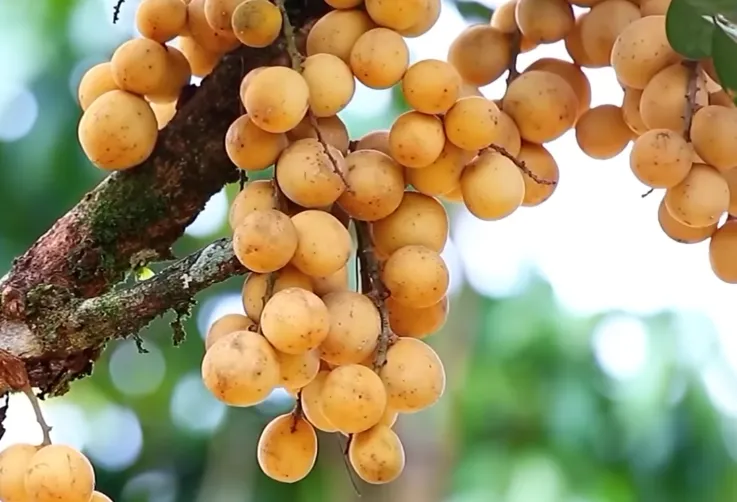
Popular Lanzones Varieties in the Philippines
Several varieties of lanzones are grown in the Philippines, each with distinct characteristics in terms of fruit sweetness, size, yield, and adaptability.
| Variety | Characteristics | Yield Potential | Sweetness Level |
|---|---|---|---|
| Paete | Native to Laguna, smaller fruit, thick skin | Moderate | Moderate |
| Jolo | Thin-skinned, soft flesh, very sweet | Moderate to High | Very Sweet |
| Duku | Larger fruit, thick rind, sweeter than Paete | High | Very Sweet |
| Longkong (or Dokong) | From Thailand/Indonesia, seedless or few seeds, long shelf life, resistant to latex staining | Very High | Exceptionally Sweet |
| Camiguin Variety | Known for sweetness and fine texture | High | Very Sweet |
Best Lanzones Variety:
Longkong stands out as the best overall due to its high yield, superior sweetness, and low latex content, making it ideal for both fresh consumption and commercial sales.
Site Selection and Climate Requirements
- Elevation: 0–800 meters above sea level
- Rainfall: 1,500–2,500 mm annually, well-distributed
- Temperature: 22–35°C
- Shade: Lanzones thrive in partial shade, especially during early years
Soil Requirements for Lanzones
- Type: Deep, well-drained loamy soil rich in organic matter
- pH Level: Slightly acidic to neutral (5.5–6.5)
- Drainage: Essential to avoid root rot—avoid waterlogged areas
Soil Preparation Tips:
- Conduct soil analysis before planting
- Incorporate compost or well-rotted manure during land preparation
- Use cover crops or green manures to enhance organic content
Propagation Methods
Lanzones can be propagated by:
- Seeds – Common but slower; variability in offspring
- Asexual Methods (preferred):
- Marcottage (Air Layering)
- Grafting – Best for uniformity and early bearing
Planting Guidelines
- Spacing: 6–8 meters between trees; 150–300 trees per hectare
- Hole Dimensions: 60 cm x 60 cm x 60 cm
- Planting Season: Start at the onset of the rainy season (June–July)
- Planting Tips: Mix topsoil with compost or vermicast; ensure good root contact
Fertilizer and Nutrient Management
| Tree Age | Fertilizer Type | Recommended Application per Tree |
|---|---|---|
| 1–2 years | Organic compost + 100g 14-14-14 | Every 3 months |
| 3–5 years | 200–400g 14-14-14 or 12-24-12 | Every 3 months |
| Bearing Trees | 1–2 kg complete fertilizer + organic compost | Before flowering and after harvest |
Tips:
- Use vermicompost or chicken manure to improve soil health.
- Apply micronutrients like magnesium and boron for better fruiting.
- Mulch with rice hull or dry leaves to retain soil moisture.
Irrigation and Water Management
- Young Trees: Weekly watering during dry months
- Mature Trees: Deep watering every 10–15 days during flowering and fruit development
- Drip Irrigation: Recommended for efficiency and water conservation
Pruning and Maintenance
- Remove dead, diseased, or crossing branches annually
- Maintain a central leader or open canopy to allow sunlight penetration
- Remove water sprouts and excess suckers
Pest and Disease Management
Common Pests:
- Mealybugs – Cause sooty mold; control with neem oil or insecticidal soap
- Fruit Borer – Bore holes in fruits; remove infested fruits and use pheromone traps
- Scale Insects – Suck sap and stunt growth; apply horticultural oils
Diseases:
- Anthracnose – Dark spots on leaves and fruits; use copper-based fungicide
- Root Rot – Caused by poor drainage; avoid overwatering and improve soil structure
Integrated Pest Management (IPM):
- Promote beneficial insects like ladybugs
- Use organic sprays and regular monitoring
- Sanitize tools and remove infected parts immediately
Flowering and Fruiting
- Lanzones typically start flowering 5–7 years after planting (or earlier with grafted trees)
- Flowering Season: March to May
- Fruiting Season: August to November (depending on location and variety)
Pro Tip: Light pruning and fertilizer application just before flowering season can enhance fruit set.
Harvesting Lanzones
- Time to Harvest: 140–150 days after flower bloom
- Indicators of Ripeness:
- Yellowish skin
- Full cluster
- Sweet aroma
Harvesting Tips:
- Use sharp scissors or pruners
- Handle with care to avoid bruising
- Sort according to size and appearance
Post-Harvest Handling
- Grading: Based on size, color, and cleanliness
- Storage: Store in cool, shaded, and ventilated areas
- Shelf Life: 3–5 days (Longkong up to 2 weeks)
- Packaging: Use ventilated baskets or boxes lined with soft material
Marketing Strategies for Lanzones
- Local Markets: Sell directly to wet markets or fruit stands
- Wholesalers and Distributors: Especially in Metro Manila, Cebu, and Davao
- Agri-Fairs and Festivals: Join events like Camiguin Lanzones Festival
- Online Selling: Use social media or e-commerce platforms (Facebook Marketplace, Shopee, etc.)
- Product Diversification:
- Lanzones candies, jams, preserves
- Lanzones vinegar or wine (experimental)
- Value Addition and Branding:
- Create a brand with attractive packaging
- Emphasize “naturally grown,” “sweetest variety,” or “farm fresh”
- Farm Tours and Pick-and-Pay Programs: For agritourism areas like Laguna or Camiguin
Profitability Insights
- ROI Potential: High, especially with Longkong variety
- Break-Even Period: 5–7 years (shorter with grafted trees)
- Gross Income: ₱150,000 to ₱400,000 per hectare/year depending on tree density, yield, and market price
Frequently Asked Questions About Lanzones Farming
1. What is the best lanzones variety in the Philippines?
The Longkong variety is considered the best due to its seedless or few-seeded fruits, high yield, sweet taste, and long shelf life. It’s also less prone to latex staining, making it ideal for commercial production.
2. When is the lanzones harvesting season in the Philippines?
Lanzones are typically harvested from August to November, depending on the location and variety. Fruits are ready for harvest about 140 to 150 days after flowering.
3. What type of fertilizer is recommended for lanzones trees?
Use complete fertilizers like 14-14-14 or 12-24-12. Apply 3 to 4 times a year, increasing the dosage as the tree matures. Supplement with organic compost, vermicast, and micronutrients like magnesium and boron to improve fruit quality and yield.
4. What are the common pests and diseases affecting lanzones?
Pests such as mealybugs, fruit borers, and scale insects can affect lanzones trees. Common diseases include anthracnose and root rot. Regular pruning, organic pest control, and proper drainage help manage these issues effectively.
5. Is lanzones farming profitable in the Philippines?
Yes, lanzones farming can be highly profitable, especially with high-yield varieties like Longkong. Farmers can earn ₱150,000 to ₱400,000 per hectare annually, depending on cultivation practices and market access.
Conclusion
Lanzones farming is a rewarding venture in the Philippines when guided by the right variety selection, good agricultural practices, and proper market access. With varieties like Longkong offering high yields and superior sweetness, farmers have a real chance at scaling this fruit from local markets to nationwide demand.



I really love Duku and this is a very good site of information about farming. Keep up the good work
FANTASTIC
where can i order this tree? to mail in USA
thanks for the useful info. i've just bought 2 variety of lanzones duku and longkong. is it possible to be grown at isabela province?
very useful info. planting some in tanay this rainy season…
the Duku variety is my favorite. for additional information about farming please check our website,
http//:farmingeek.org
thanks!