


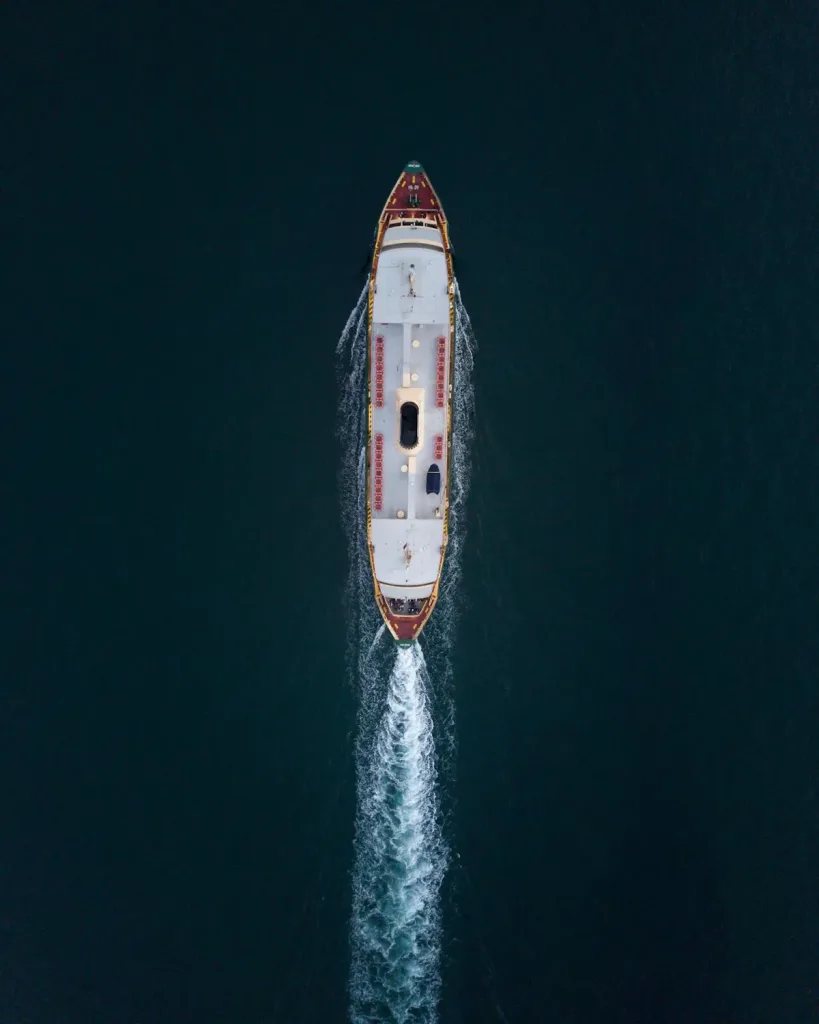
In many marine settings, different workboats and ships contribute to activity that continues through varied tasks and changing conditions; while planning and routine coordination keep schedules usable. Their roles might look modest, yet they usually connect steps that would otherwise slow down or stop. Since each area has its own procedures, outcomes can differ, though the intention remains to maintain basic reliability. This approach often supports movement, oversight, and timely response without drawing too much attention.
Reliable movement between points
Movement across sea routes often stays practical when links are arranged so people and cargo can shift without lengthy waiting, and operators keep a simple focus on timing, access, and safe handling that adapts to weather and traffic. Schedules could change but loading windows and crew rotations are balanced against fuel limits, berth availability, and nearby navigational constraints that are checked repeatedly. Equipment storage is planned, so switching from short runs to longer legs does not disrupt other commitments, and spare capacity is sometimes kept for contingency tasks that arise. You might set modest buffers around departure and arrival times, because this method can reduce cascading delays while still allowing the chain of trips to remain viable and predictable for teams on both ends.
Supply cycles and routine replenishment
Stores and materials are usually organized around a loop that aligns consumption with deliveries, and the loop is updated as jobs finish or start, so staging remains simple. Manifests are prepared with a clear order of use, while packaging and labeling are kept plain, so deck teams find items quickly and do not repack unnecessarily. Depending on sea state and transfer method, handoffs may be rescheduled, yet the overall pattern continues, since small postponements are absorbed by planned slack. Items that expire or need specific temperatures are prioritized in a straightforward sequence that can be checked against task calendars. Crews record changes in accessible formats, which supports continuity across shifts. When a shipment is late, practical substitutions are considered, and work that is not blocking proceeds, so the main workflow does not stall while waiting for a single component.
Safety readiness and response processes
Risk controls at sea often depend on drills that are repeated at reasonable intervals, equipment inspections that confirm availability, and communication checks that show messages of travel both ways. Roles are written down with simple responsibilities so handoffs are clean, and tools for recovery, stabilization, and basic medical care are stored where they can be reached without confusion. Muster points, towing lines, and firefighting systems are reviewed against current layouts because configurations might shift after maintenance or cargo changes. Crews could run short scenario walk-throughs that identify minor gaps, then update lists, so the fix is tracked. This structure is not complicated, but it is consistent, which usually helps teams act early when small issues appear. Records are retained, and findings are shared across watches, so the same weakness is not rediscovered later.
On-water coordination and temporary setup
Coordinating tasks from the water often needs a simple base that can move near the activity, where supervisors can watch progress and adjust steps without waiting for shore access. After an outline is shared, units position themselves for clear transfers and basic oversight, while traffic patterns and weather are monitored to avoid unnecessary repositioning. For example, offshore support vessels enable equipment transfers, personnel move, and short-term stabilization that keep work sequences aligned with plan changes. This may include small staging areas, quick inspections, and timed lifts that are arranged with minimal paperwork, since the goal is continuity rather than permanent construction. Reporting is kept concise; photographs and checklists are logged, and the next window is assigned before dispersal. In this way, coordination remains active even when conditions shift or timelines compress.
Technical help, maintenance, and light repair
Timely inspections that detect wear help maintain machinery availability. Toolkits, spare components, and testing devices help with minor repairs and planning for larger projects. Teams employ checklists for lubrication, electrical connections, hose quality, and sensor measurements. They also record modest changes to track trends. Stabilizing, identifying, and maintaining safe operations at a lower capacity while waiting for an expert may be the initial step when a system performs poorly. Documentation is kept clear, with part numbers, tolerances, and photos that reduce errors when components are replaced later. You could consider rotating preventive tasks into natural pauses in the schedule, because this often limits downtime and avoids rushed work, while keeping essential functions available for the next assignment.
Conclusion
Together, these practices sustain maritime activity through workable movement, steady resupply, simple oversight, and timely fixes that protect the schedule from small disruptions. Teams might prioritize clear checklists, accessible records, and flexible windows that fit changing conditions while keeping core tasks moving. A practical routine that favors reliable steps, early attention, and concise coordination could support durable outcomes across different routes and roles, especially where margins are tight, and delays would grow if left unmanaged.