


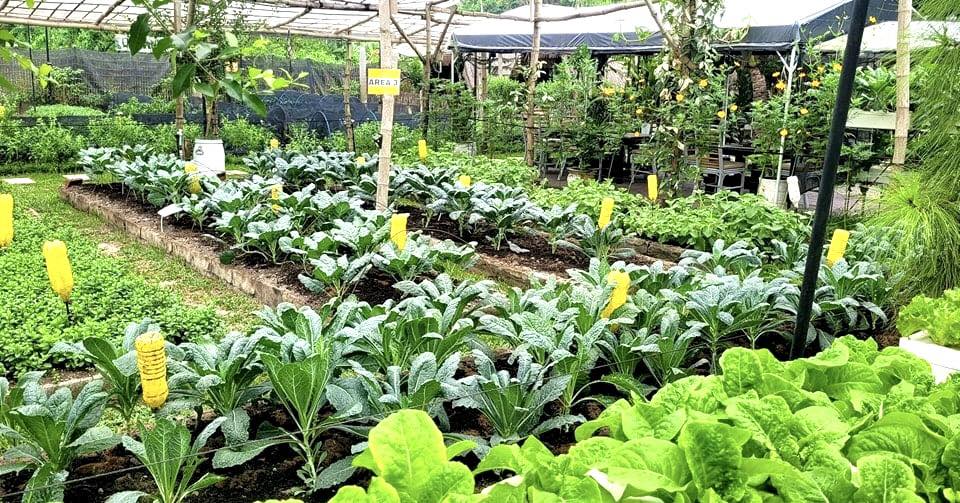
Smart urban farming solutions are vital as food prices continue to rise, climate change disrupts global supply chains, and urban populations expand rapidly. For small and medium-sized enterprises (SMEs), adopting these innovative farming methods offers both a challenge and a major opportunity to meet the growing demand for sustainable, locally grown food.
This is where smart urban farming solutions powered by AI and IoT come in. From hydroponics kits for households to AI-driven vertical farms for restaurants, SMEs are tapping into a booming industry that blends technology, sustainability, and profitability.
What Is Smart Urban Farming?
Smart urban farming is the practice of growing crops in cities using technology-driven systems such as:
- IoT Sensors – track soil moisture, nutrient levels, and temperature in real time.
- AI Crop Management – analyzes plant health, predicts yield, and suggests care routines.
- Hydroponics & Aeroponics – soil-free systems that use water or mist to grow plants.
- Vertical Farming – stacking plants in indoor or rooftop setups to maximize space.
For SMEs, this means you don’t need large farmland. Instead, you can grow high-value crops in compact, controlled environments, making farming possible in apartments, restaurants, schools, and urban communities.
Why SMEs Should Invest in Smart Urban Farming in 2025
- Food Security is a Growing Concern
Cities are looking for local food sources to reduce reliance on imports and long supply chains. - High Demand for Organic & Fresh Produce
Health-conscious consumers and restaurants are willing to pay premium prices for pesticide-free greens, herbs, and vegetables. - Compact and Scalable Business Model
From small smart garden kits to large vertical farms, SMEs can start small and scale up quickly. - Government and NGO Support
Many local governments are funding urban agriculture startups to improve sustainability and resilience.
Key Features of Smart Urban Farming Technology
IoT Farming Solutions
IoT sensors continuously monitor growing conditions and send data to a smartphone app. This allows farmers and even beginners to know exactly when to water, fertilize, or adjust lighting.
AI in Agriculture for SMEs
AI platforms use the collected data to detect early signs of disease, optimize nutrient mixes, and forecast harvests. This improves efficiency and reduces crop failure.
Hydroponics and Aeroponics Kits
Hydroponics (water-based) and aeroponics (mist-based) systems save up to 90% of water compared to traditional farming. These kits are perfect for apartments, cafes, and schools.
Vertical Farming Systems
Vertical farms allow crops to grow in stacked layers under LED lighting, making them ideal for rooftops, basements, and retail spaces.
Benefits of Smart Urban Farming for SMEs
- Low Space Requirement – Grow in rooftops, basements, or even shipping containers.
- Consistent Income – Supply fresh herbs and vegetables to restaurants, hotels, and households.
- Eco-Friendly – Uses less water, land, and pesticides than traditional farming.
- Scalable – Start with small kits and expand into community farms.
Challenges SMEs May Face
- High Initial Setup Cost – Smart kits and vertical systems require investment.
- Energy Usage – LED lighting and IoT devices can increase electricity bills.
- Knowledge Gap – Training staff to operate AI platforms and hydroponics may take time.
- Consumer Awareness – Some customers may still prefer traditional farm produce.
Examples of Smart Urban Farming
- AeroFarms – Uses AI and aeroponics to grow leafy greens indoors with 90% less water.
- InFarm – is an agri-tech company that leverages artificial intelligence to provide farmers with innovative solutions and next-generation tools for smarter farming..
- Urban Greens (Philippines) – A startup bringing hydroponics and vertical farming to local communities.
- Organikian (Philippines)– From a small patch of land, Organikian has grown into a model of urban farming—merging hydroponics, aeroponics, sustainability, and healthy food culture.
How SMEs Can Start a Smart Urban Farming Business
- Start Small – Begin with affordable hydroponics kits or IoT-enabled garden systems.
- Choose the Right Crop – Focus on high-demand, high-margin crops like lettuce, basil, mint, or microgreens.
- Leverage SaaS Platforms – Use AI farming apps for monitoring and predictive analytics.
- Build Partnerships – Collaborate with restaurants, cafes, and local supermarkets.
- Adopt a Subscription Model – Offer nutrient packs, seed refills, and maintenance as recurring services.
FAQs About Smart Urban Farming for SMEs
1. How much does it cost to start smart urban farming?
For a very small or hobby setup (like microgreens, herbs, or seedlings in containers), you might spend around ₱8,000 to ₱25,000. This would cover trays, containers, soil or growing medium, seeds, and possibly a few fans or small grow lights if indoors.
If you’re aiming for a small-scale hydroponic or vertical farm (around 50–100 square meters), expect to spend roughly ₱70,000 to ₱160,000. Costs will include shelving or racks, LED grow lights, water and nutrient delivery systems, and environmental controls.
For a larger, more automated system like a greenhouse or polyhouse setup with climate control, automation, and more advanced hydroponics, the starting cost can range from ₱150,000 to ₱500,000 or more. This already includes the infrastructure, larger water and fertilizer systems, power, and labor.
2. What crops are best for urban farming?
Leafy greens, herbs, microgreens, cherry tomatoes, and strawberries are popular and profitable.
3. Can SMEs run farming without agriculture experience?
Yes—IoT sensors and AI apps guide beginners, making farming accessible even for non-farmers.
4. Is urban farming profitable in 2025?
Yes, demand for fresh, organic produce continues to rise. Many SMEs are already selling to restaurants, households, and groceries at premium prices.
Conclusion
Smart urban farming solutions are not just about sustainability—they’re a profitable business model for SMEs. By integrating IoT farming solutions, AI crop management, hydroponics, and vertical farming systems, small businesses can meet rising demand for fresh, local, and eco-friendly food.
For entrepreneurs, this represents one of the best AI-driven business ideas of 2025—combining technology, food security, and long-term growth.