

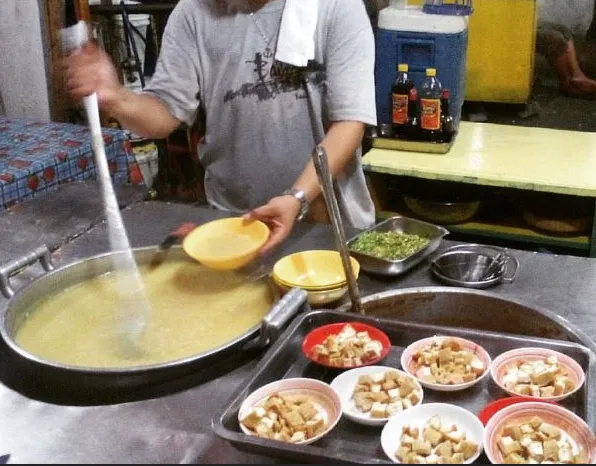
Starting a lugawan business in the Philippines is an ideal venture for aspiring entrepreneurs who want a low-capital, high-demand food business. Lugaw, a classic Filipino rice porridge, is easy to prepare, affordable to sell, and loved by Filipinos from all walks of life. Whether served plain, with egg, or with toppings like tokwa’t baboy or chicken, lugaw is a comfort food that never goes out of style.
Why Start a Lugawan Business?
Lugawan businesses thrive in both rural and urban settings. The product is simple but has great flexibility and profit potential. With the rise of affordable meals and street food popularity, lugawan stands out as a reliable food business idea that can start small and scale over time.
Key Benefits of a Lugawan Business:
- Low startup and operational costs
- High demand across various income levels
- Easy to prepare and replicate
- Can be operated in small spaces
- High profit margins per bowl
Step-by-Step Guide to Starting Your Lugawan Business
1. Choose a Strategic Location
Look for high-traffic areas like:
- Public markets
- School zones
- Transportation terminals
- Residential neighborhoods
If possible, start from your own home space to reduce rental expenses.
2. Create a Basic Business Plan
Outline your goals, budget, target market, menu, marketing strategy, and expansion plans. This doesn’t need to be complex, but a clear vision is important.
Startup Capital and Equipment Needed
You can start a basic lugawan with an estimated ₱55,000 initial investment, broken down as follows:
| Expense Item | Estimated Cost (PHP) |
|---|---|
| Cooking equipment (kaldero, stove, rice cooker) | ₱10,000 |
| Utensils and cookware | ₱5,000 |
| Tables and chairs | ₱10,000 |
| Initial inventory (rice, chicken, condiments) | ₱10,000 |
| Food cart or small stall setup | ₱15,000 |
| Marketing and signage | ₱5,000 |
Optional: Add a refrigerator or food warmer if your budget allows.
Menu Ideas and Pricing Strategy
Start with a basic but diverse menu that can be expanded as your customer base grows.
Common Menu Items:
- Plain Lugaw – ₱15–₱20
- Lugaw with Egg – ₱25
- Arroz Caldo (with chicken) – ₱35–₱45
- Goto (with innards) – ₱40
- Tokwa’t Baboy add-on – ₱30
- Soft drinks or bottled water – ₱15–₱20
Tip: Use cost-effective ingredients like rice, garlic, ginger, and soy sauce. Offer value meals or combos to increase average transaction size.
Classic Lugaw (Filipino Rice Porridge) Recipe
Servings: 4–6
Preparation Time: 10 minutes
Cooking Time: 45 minutes
Ingredients:
- 1 cup malagkit (glutinous rice) or regular white rice
- 6–8 cups chicken broth or water with bouillon cubes
- 1–2 tablespoons cooking oil
- 5 cloves garlic, minced
- 1 small onion, chopped
- 1 thumb-sized piece of ginger, sliced thin
- 1–2 pieces chicken leg or breast (optional, for arroz caldo-style)
- Salt and pepper to taste
- Optional: fish sauce (patis) to taste
Toppings (Optional but Recommended):
- Boiled egg, sliced in half
- Fried garlic bits
- Chopped spring onions
- Calamansi or lemon
- Tokwa’t baboy (fried tofu and pork)
- Chicharon
Instructions:
- Rinse the Rice:
- Wash the rice thoroughly and drain.
- Sauté the Aromatics:
- Heat oil in a large pot.
- Sauté garlic until golden and crispy. Set aside some for garnish.
- Add onion and ginger; sauté until fragrant.
- Add Chicken (Optional):
- Add chicken pieces and cook until lightly browned.
- Cook the Rice:
- Add the rinsed rice and stir for 1–2 minutes to coat in oil.
- Pour in the chicken broth or water with bouillon.
- Bring to a boil, then lower to simmer.
- Simmer:
- Stir occasionally to avoid sticking.
- Simmer for 30–45 minutes, or until rice breaks down and reaches porridge consistency.
- Add water or broth as needed to reach your desired thickness.
- Season:
- Add salt, pepper, and a splash of fish sauce to taste.
- Serve:
- Ladle into bowls and top with fried garlic, spring onions, and egg.
- Serve hot with calamansi on the side.
Tips for Business Use:
- Use malagkit + regular rice mix (1:1) for best texture.
- Prepare fried garlic and spring onions in bulk for toppings.
- Cook in large batches and keep warm in food warmers for service.
Daily Operations and Staffing
Depending on the size of your business, you may need:
- 1 cook
- 1 cashier/server
- 1 utility/helper
Operational hours are typically from 6:00 AM to 8:00 PM, covering breakfast, lunch, and early dinner.
Sourcing Ingredients
Buy in bulk from:
- Local palengke (wet markets)
- Direct poultry suppliers
- Rice distributors
Freshness and consistency in taste are key to customer retention.
Legal Requirements and Business Registration
To operate legally, you’ll need the following:
- DTI Business Name Registration
- Barangay Clearance
- Mayor’s Permit
- BIR Registration and Official Receipts
- Sanitary Permit
- Employee Health Certificates
Cost of permits varies per city/municipality, so check with your local LGU.
Marketing and Promotion Tips
Offline Strategies:
- Use eye-catching signage
- Offer opening-day promos or “buy 1, take 1” deals
- Loyalty cards for repeat customers
Online Promotion:
- Create a Facebook Page and post daily menus
- Join local food groups or barangay pages
- Offer delivery via Facebook Messenger or food delivery apps if possible
Monthly Expense & Income Analysis
| Item | Monthly Estimate (PHP) |
|---|---|
| Ingredients & supplies | ₱20,000 |
| Staff salaries (2–3) | ₱15,000 |
| Rent (if applicable) | ₱5,000 |
| Utilities | ₱2,000 |
| Miscellaneous | ₱3,000 |
| Total Expenses | ₱45,000 |
Estimated Monthly Sales: ₱75,000
Projected Profit: ₱30,000
This is based on selling 100–150 bowls per day at an average price of ₱25.
Tips for Success in Lugawan Business
- Maintain cleanliness and hygiene at all times
- Use flavorful toppings and rich broth to differentiate from competitors
- Listen to customer feedback
- Reinvent your menu occasionally to keep interest
- Consider expanding to lugaw with lechon kawali, beef pares, or even silog options
Final Thoughts
Starting a lugawan business is an excellent way to enter the food industry without breaking the bank. With proper planning, good food, and consistent service, your lugawan can become a neighborhood favorite and a profitable venture. As long as you remain committed to quality and adapt to customer preferences, your small bowl of lugaw can turn into a big business success.