


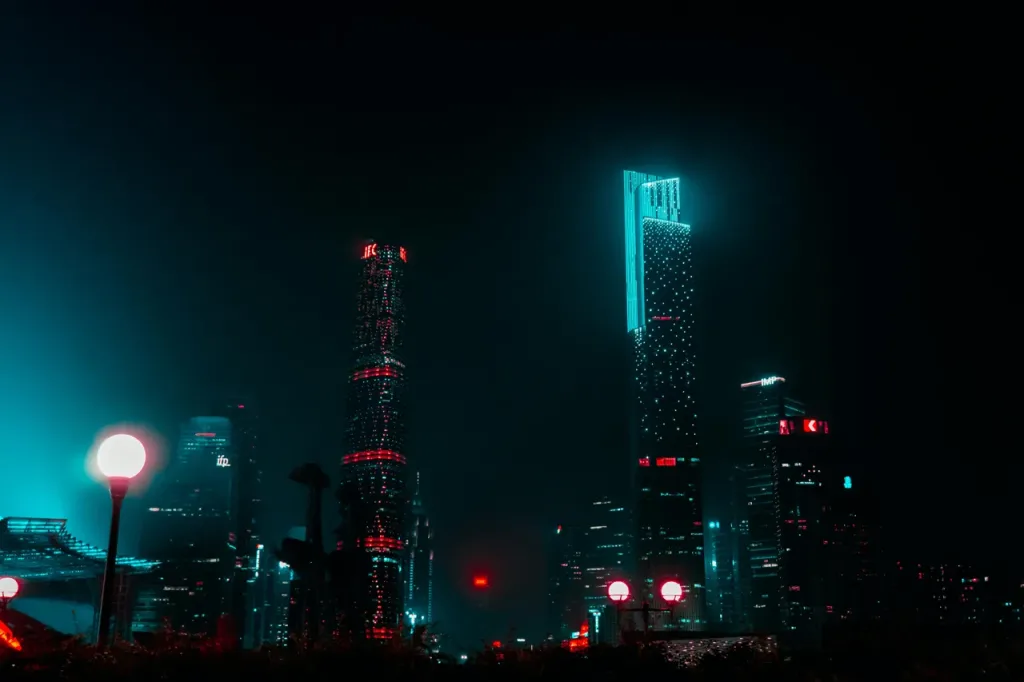
The skylines of the world’s major cities have become visual symbols of ambition, innovation, and technological progress. While iconic buildings have always shaped urban identity, today’s architectural pursuits reach far beyond aesthetic expression. Modern engineering now enables structures that climb higher, withstand harsher conditions, and operate more efficiently than ever before. The pursuit of vertical expansion has transformed from a competitive architectural endeavor into a multidisciplinary challenge that blends structural science, environmental responsibility, and human centered design. As engineering capabilities evolve, the skyline of the 21st century is being redefined with remarkable speed.
Advanced Materials That Enable Greater Heights
The dramatic rise in tall and skyscraper buildings stems from continuous advancements in building materials. Traditional materials alone would not support the extreme loads, wind forces, and dynamic movement associated with towers that exceed half a mile in height. High performance concrete, for example, now reaches compressive strengths far beyond what was achievable a few decades ago. This allows towers to grow taller without requiring excessively wide bases that would reduce usable interior space.
Composite materials also contribute to structural flexibility and durability. Reinforced polymers, innovative steel blends, and engineered timber are being used to control building sway, optimize weight distribution, and reduce construction time. Even the smallest components of these materials matter. Fastening hardware, such as high strength bolts, plays a critical role in maintaining structural integrity and ensuring long term performance in tall buildings where wind, temperature, and movement place continuous stress on the frame.
Together, these materials form the backbone of engineering solutions that make previously impossible heights structurally viable and economically feasible.
Innovative Structural Systems for Stability and Efficiency
Height alone does not define the engineering challenge. Tall buildings must also remain stable and comfortable for occupants while minimizing material waste. This has led to the development of new structural systems specifically designed to manage vertical and lateral forces.
One of the most influential systems is the bundled tube structure, which distributes wind load across multiple interconnected vertical tubes. This design was famously used in the Willis Tower and continues to inspire modern engineering adaptations. Outrigger systems, another significant innovation, connect a building’s central core to perimeter columns, greatly increasing stiffness and reducing sway.
Engineers today also employ aerodynamic shaping to reduce wind vortex formation. By tapering, twisting, or sculpting the building’s profile, designers can significantly reduce wind induced forces. These strategies not only support structural stability but also allow buildings to be lighter and use fewer materials, enhancing both sustainability and cost efficiency.
Sustainable Engineering Driving Vertical Innovation
Environmental responsibility has become essential in modern building design. As cities grow upward, engineers and architects are integrating sustainable technologies that reduce energy consumption and improve the quality of urban living. Tall buildings offer unique opportunities to implement green solutions on a large scale.
Many new towers incorporate double skin facades that regulate heat transfer, reducing the need for mechanical heating and cooling. High performance glazing, natural ventilation strategies, and sensor driven climate control systems further improve efficiency. Vertical gardens and integrated green spaces support biodiversity, improve air quality, and provide residents with access to nature in dense urban environments.
Renewable energy integration is another promising advancement. Photovoltaic panels, wind turbines, and geothermal systems are becoming more common in tall building design. These systems help offset operational energy costs and reflect a growing commitment to sustainable urban development.
Digital Technologies Transforming Design and Construction
Digital tools have revolutionized the way tall buildings are conceived, modeled, and constructed. Building Information Modeling (BIM) allows multidisciplinary teams to collaborate seamlessly, identifying potential issues long before construction begins. This reduces delays, material waste, and costly redesigns.
Parametric design enables engineers to optimize structures based on performance data. By adjusting digital models in real time, teams can explore countless variations of form and structure, selecting solutions that maximize efficiency and stability. Robotics and automation on construction sites further enhance precision and safety. Automated rebar tying, drone based inspections, and robotic welding are just a few examples of how technology supports accuracy and reduces labor risks in complex builds.
Artificial intelligence also contributes to predictive maintenance and operational efficiency once buildings are occupied. Sensors embedded throughout a building’s structure monitor vibration, temperature, and stress, allowing property teams to respond proactively to emerging issues.
A New Approach to Human Centered Vertical Living
While engineering often focuses on technical performance, the human experience remains central to modern building design. Tall structures must be livable, comfortable, and emotionally supportive environments. This has driven architects and engineers to prioritize natural light, ventilation, and access to outdoor areas even in high rise settings.
Mixed use tower design is growing in popularity, blending residential, commercial, hospitality, and recreational spaces within a single vertical ecosystem. This reduces reliance on transportation and fosters vibrant, self contained communities. The inclusion of sky lobbies, terrace gardens, and indoor communal areas helps create a sense of belonging and soften the intimidating scale of high rise living.
Safety, accessibility, and intuitive circulation systems also influence how these buildings function as part of the urban fabric. As engineering continues to advance, the future of vertical living will become more integrated, resilient, and responsive to human needs.
Conclusion
The skyline of the 21st century reflects a profound shift in how cities grow, how buildings function, and how engineering challenges are solved. Modern materials, advanced structural systems, sustainable technologies, digital tools, and human centered design are reshaping what is possible in vertical construction. As innovation continues, the buildings that define tomorrow’s cities will not merely reach new heights. They will embody smarter, more resilient, and more sustainable ways of living in an increasingly vertical world.