

World Trade Centers Association (WTCA) has refined a model of economic diplomacy where culture—especially the arts—is not a backdrop, but a strategic lever. Through art exchanges, heritage‑rich venues, and forums staged in cities with deep artistic legacies, WTCA uses culture to build trust, foster relationships, and catalyze trade.
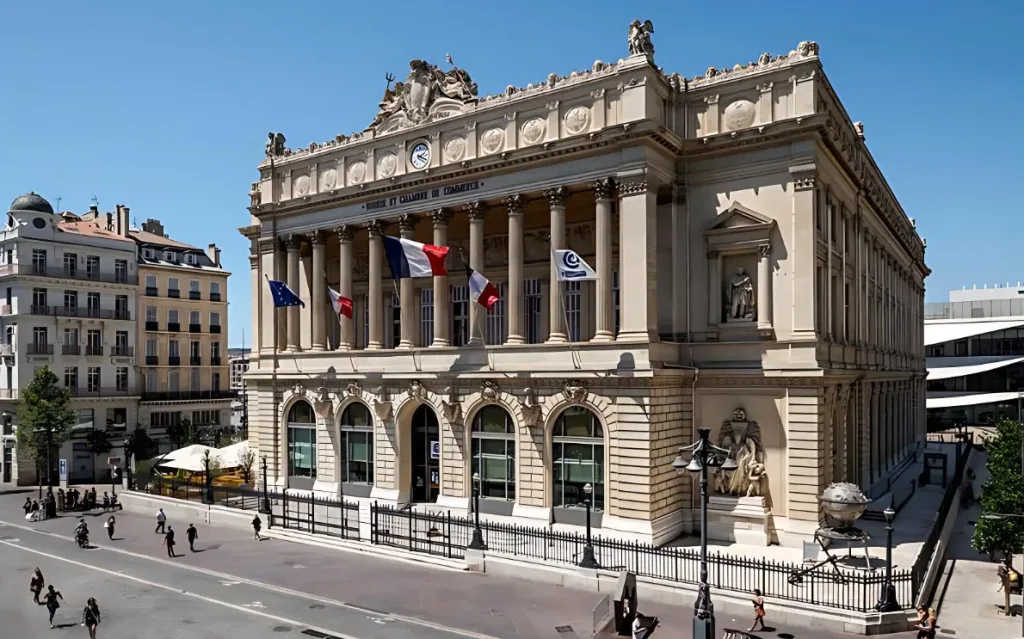
Its annual Global Business Forum, such as the 55th annual WTCA Global Business Forum (GBF) held in Marseille, France this past April in cooperation with World Trade Center Marseille Provence, are the most visible embodiment of this strategy — but the philosophy runs deeper. During the Forum, attendees were able to visit an art gallery featuring local artists, and participate in local company tours and excursions to fully immerse themselves in the city’s daily life and culture. Commerce thrives where connection is cultivated, and culture is often the first handshake.
Culture in Action
In Marseille, WTCA anchored its Mediterranean trade agenda in a city known for artistic vibrancy and regional identity. Delegates experienced a dedicated art corner where they could purchase works, reinforcing the link between cultural appreciation and commerce.

In Manila, WTC Metro Manila facilitated a bilateral art exchange with India — an exhibit of 68 works by Filipino and Indian artists — designed to seed deeper economic ties. In Philadelphia (USA), the upcoming 56th annual WTCA GBF hosted by WTC Greater Philadelphia on April 19-22, 2026, will highlight the city’s arts legacy, including a visit to the iconic “Rocky Steps.”
Strategy Behind the Scenery
WTCA’s GBF venue choices are not aesthetic indulgences, but strategic decisions rooted in cultural resonance and global business opportunities. By selecting cities with strong artistic identities, WTCA creates neutral, emotionally resonant spaces where business leaders, diplomats, and entrepreneurs can engage beyond transactional boundaries.
WTC Suzhou Managing Director and WTCA Board Member Catherine Lee emphasized the role of culture in fostering international trade. “Art is a universal language that transcends borders and brings people together,” she shared. Lee has advanced this connection through initiatives such as showcasing Chinese arts and fashion trade at the China International Import Expo.
Cultural Context as Economic Infrastructure
WTCA’s use of the arts goes beyond ambiance. Exhibits, heritage tours, and performances are embedded into programming as tools for rapport‑building. Delegates immerse themselves in the host city’s culture through excursions and company visits, gaining insights that inform their business strategies.
“Through these initiatives, WTC Suzhou and WTCA aim to not only promote cultural appreciation, but also leverage culture as a bridge for global business. By providing a platform for artists and businesses to showcase their talents and products, we facilitate meaningful connections that drive international trade and collaboration,” Lee noted.

This philosophy is evident in WTCA’s Asia‑Pacific engagements, where cultural showcases often precede trade panels. In Mumbai, the recent WTCA Asia Pacific Conference hosted by WTC Mumbai, coinciding with the Global Economic Summit, ran alongside exhibitions highlighting India’s creative economy. In Bengaluru, the 54th annual WTCA GBF, hosted by WTC Bengaluru, paired innovation with regional heritage to invite investment.
Outcomes, Not Indulgences
WTCA’s cultural strategy has produced measurable results. The Manila-India art exchange sparked follow‑up delegations and expanded business interest in creative sectors. Marseille’s Forum strengthened Mediterranean trade ties with WTCA’s members around the world. And Philadelphia’s upcoming Forum is already attracting creative economy stakeholders, underscoring how the arts can serve as a magnet for new industries.
These outcomes challenge the notion that cultural programming is ornamental. In WTCA’s model, it is instrumental.
The theme for the 2026 WTCA GBF — “Historic Foundations, Future Collaborations: Cultivating New Business Frontiers” — embodies this approach. “What we’re doing is paying tribute to the past while also looking into the future,” explained Thomas Young, President and CEO of the host WTC Greater Philadelphia.
“We celebrate each year the diverse diasporas and cultures that thrive here in Philadelphia. We also leverage these connections to entice businesses from around the world to come to Philadelphia, because many may find natural links to the diaspora communities here,” added Young.
John E. Drew, WTCA Chair, Board of Directors, noted that “World Trade Center businesses worldwide are seeing the added value that arts and culture bring to their buildings, their business activities, and their conferences and exhibitions. The GBF is where these connections come alive.”
A Blueprint for Global Engagement
As trade organizations grapple with geopolitical tension and cultural fragmentation, WTCA’s approach offers a replicable framework. By curating context through architecture, art and heritage, it creates spaces where commerce is not just negotiated, but nurtured. “We’re not just connecting businesses. We’re curating environments where trust can grow,” said Drew.
In a world where deals are increasingly shaped by perception, identity, and soft power, WTCA’s blend of commerce and culture may be one of its most valuable exports.