


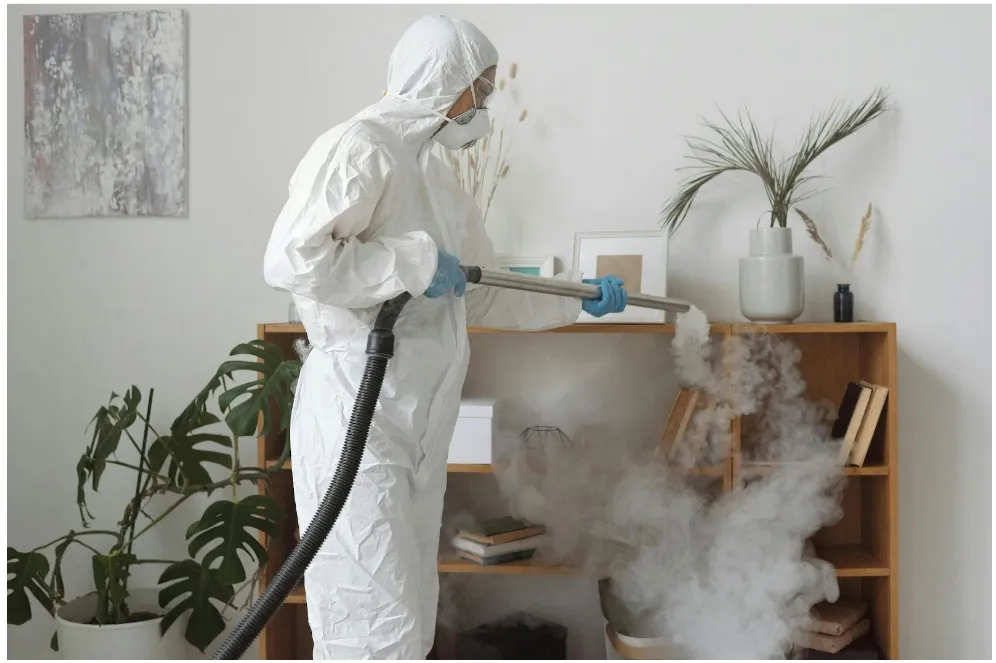
Modern healthcare facilities face the critical challenge of maintaining pristine, infection-free environments for patient safety. Through a sophisticated combination of chemical disinfectants, UV radiation, and steam sterilization methods, medical facilities work tirelessly to protect their patients and staff. What’s particularly noteworthy is how these facilities have evolved to combine cutting-edge automated systems with meticulous manual cleaning processes, creating a comprehensive approach to sanitization.
Healthcare environments operate carefully structured sanitization schedules that reflect different risk levels throughout the facility. Operating rooms and surgical suites, for instance, require far more intensive and frequent sanitization compared to administrative areas. These well-orchestrated sanitization protocols haven’t just improved patient safety; they’ve significantly reduced healthcare-associated infections and contributed to better overall patient outcomes.
Food and Beverage Industry Sanitization Requirements
Food safety, there’s absolutely no room for compromise in sanitization standards. Food processing and preparation environments must adhere to stringent cleaning schedules while using specialized food-grade sanitizing agents that pack a punch against pathogens without leaving harmful residues. The industry’s success relies heavily on precise temperature monitoring and detailed documentation of every sanitization procedure.
Today’s food industry employs an impressive array of sanitization methods. From sophisticated clean-in-place (CIP) systems for processing equipment to specialized chemical sanitizers for food contact surfaces, every aspect of food safety is carefully considered. Regular environmental monitoring serves as a crucial checkpoint, helping businesses verify their sanitization effectiveness and quickly identify areas needing extra attention. Staff training remains paramount, with companies maintaining detailed records of all cleaning activities to ensure consistent food safety standards.
Manufacturing and Industrial Sanitization Solutions
Industrial facilities require uniquely tailored sanitization approaches that account for their specific production processes and environmental demands. These facilities rely on a powerful combination of automated cleaning systems, pressure washing equipment, and industrial-grade sanitizing agents. In spaces where precision matters most, facilities turn to a compact autoclave for efficient sterilization, especially when working with limited space while maintaining strict sanitization standards.
Environmental responsibility plays an increasingly important role in industrial sanitization protocols. Modern facilities must carefully select cleaning methods and products that satisfy environmental regulations while effectively managing contamination risks. Many manufacturing operations have embraced preventive sanitization programs, recognizing their value in minimizing production disruptions and maintaining consistent product quality.
Laboratory and Research Facility Sterilization Practices
Research laboratories and testing facilities operate under some of the most demanding sterilization protocols in any industry. These specialized environments depend on a sophisticated mix of sterilization methods, including autoclaves, chemical treatments, and advanced filtration systems. Why are such stringent measures? Because proper sterilization doesn’t just protect research materials, it safeguards the integrity of scientific research and the safety of laboratory personnel.
Every laboratory sanitization procedure undergoes rigorous validation and regular monitoring to ensure consistent effectiveness. These facilities implement detailed protocols for handling different types of equipment and materials, paying special attention to sensitive instruments and biological containment areas. Thorough documentation and verification of sterilization processes serve as cornerstones of laboratory quality control programs.
Hospitality Industry Cleaning and Sanitization Standards
The hospitality industry has revolutionized its approach to sanitization, focusing equally on cleanliness and guest safety. Hotels, restaurants, and other hospitality venues now implement comprehensive cleaning programs that leave no corner untouched, whether in public spaces or private areas. How has the industry evolved? By continuously adapting sanitization protocols to meet changing public health requirements and rising guest expectations.
Staff training has emerged as the backbone of maintaining consistent sanitization standards across hospitality operations. Properties must ensure their teams master proper cleaning product application, stick to sanitization schedules, and maintain appropriate documentation. Regular audits and inspections help maintain these high standards while identifying opportunities for improvement.
Conclusion
The world of sanitization isn’t one-size-fits-all; different industries require carefully tailored approaches to meet their unique challenges and requirements. From the sterile environments of healthcare facilities to the stringent food safety demands of processing plants, each sector must implement specific sanitization methods and protocols. What makes these efforts successful? It’s the careful selection of appropriate equipment, chemicals, and procedures, combined with thorough staff training and meticulous documentation. Through consistent monitoring and regular updates to sanitization protocols, organizations can maintain regulatory compliance while meeting or exceeding industry standards. Understanding and implementing these industry-specific sanitization requirements remains vital for maintaining safety, quality, and operational efficiency across all sectors.